How to Choose a Toilet Plunger
Choosing the right toilet plunger means the difference between a quick fix and a messy overflow. This guide breaks down the types, features, and top picks to help you clear clogs fast.
Quick answer
For most households, a bell-shaped (flange) plunger is the best choice for toilets. For tougher clogs, a heavy-duty accordion or closet auger is more effective. Our top pick is the Korky 99-4A Beehive Max for its superior seal and power.
Why trust ToolBuyerHub
- Checked buying criteria against manufacturer documentation, not marketing copy
- Battery & ecosystem compared
- Aggregated owner reviews
- Build quality & warranty checked
- Brand reliability
- No fake hands-on claims
Research updated June 2026.
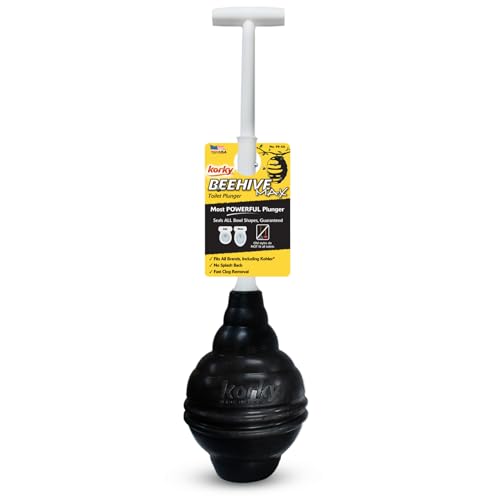
Korky 99-4A Beehive Max
Superior seal with a beehive design that forces water and air directly into the clog.
| Product | Best For | Key Spec | Rating | Price |
|---|---|---|---|---|
| Korky 99-4A Beehive Max | Overall / Best Seal | Bell/Flange, Rubber | 4.7/5 | Check |
| Simplehuman Plunger & Caddy | Design / Storage | Bell/Flange, Silicone | 4.5/5 | Check |
| Master Plunger MP-5 | Heavy-Duty / Commercial | Accordion, Polyethylene | 4.6/5 | Check |
| Neiko 00813A | Budget / Basic | Bell/Flange, Rubber | 4.3/5 | Check |
| General Tools 690 | Stubborn Clogs / Auger | Closet Auger, Steel | 4.4/5 | Check |
Korky 99-4A Beehive Max
Best OverallPros
- Exceptional sealing power
- Durable rubber construction
- Comfortable wood handle
Cons
- Bulky for storage
- Not ideal for sinks
The Korky 99-4A Beehive Max is designed specifically for toilets. Its unique beehive shape creates a tight seal inside the toilet bowl, forcing water and air directly into the clog with maximum force. Owner reviews consistently praise its ability to clear clogs on the first or second push, outperforming standard cup plungers.
Made from heavy-duty rubber with a solid wood handle, it feels built to last. The flange at the bottom folds out to seal the drain opening, preventing messy splash-back. It is widely considered the gold standard for residential toilet plungers.
Simplehuman Plunger & Caddy
Best Design / StoragePros
- Hygienic silicone cup
- Integrated drip-proof caddy
- Sleek, modern design
Cons
- More expensive
- Softer silicone may wear faster
The Simplehuman plunger is as much about aesthetics as function. It features a silicone cup that resists odors and stains, and it comes with a vented caddy that allows the plunger to dry without dripping on your floor. It is designed to be stored discreetly next to the toilet.
Owner reviews highlight its effectiveness on moderate clogs and its easy-to-clean surface. The stainless steel handle feels premium. However, the softer silicone may not generate the same brute force as heavy-duty rubber models on very stubborn blockages.
Master Plunger MP-5
Best Heavy-Duty / CommercialPros
- Extreme clog-busting power
- Rigid design for tough blockages
- Commercial-grade durability
Cons
- Hard plastic can scratch bowls
- Less comfortable to use
The Master Plunger MP-5 uses an accordion (or force cup) design. Unlike bell plungers, it does not compress air; it forces a solid column of water directly into the pipe. This makes it highly effective for solid obstructions that a standard plunger cannot move.
It is made from rigid polyethylene, which is very durable but not as forgiving on porcelain. Owner reviews often note it clears clogs that other plungers cannot. It is a favorite among landlords and property managers for its reliability on rental toilets.
Neiko 00813A
Best Budget / BasicPros
- Very affordable
- Standard bell design works well
- Decent build for the price
Cons
- Thinner rubber than premium models
- Seal is not as tight
The Neiko 00813A is a no-frills toilet plunger that gets the job done for a low price. It features the classic bell shape with a fold-out flange, making it suitable for toilets. It is a basic, functional tool that is widely available.
Owner reviews note it works fine for standard paper clogs but may struggle with more stubborn blockages. The rubber is thinner than on the Korky, and the wood handle is functional but basic. It is a good backup or starter plunger.
General Tools 690
Best for Stubborn Clogs / AugerPros
- Physically breaks up clogs
- Protects toilet bowl finish
- Reaches deep into trap
Cons
- Requires more effort to use
- Not for simple paper clogs
A closet auger is not a plunger, but it is the next step for clogs that resist all plunging. The General Tools 690 features a 3-foot steel cable with a corkscrew end that you crank into the toilet trap to physically break up or retrieve the obstruction.
It has a rubber sleeve to protect the porcelain. Owner reviews recommend it for toys, wipes, or hard objects that get stuck. It is an essential tool for any household, especially with children. It is more effective and less messy than repeatedly plunging a stubborn clog.
What is a Toilet Plunger?
A toilet plunger is a simple plumbing tool designed to clear blockages in a toilet drain. It works by creating a vacuum and pressure seal over the drain opening. When you push and pull the handle, it forces water and air into the pipe to dislodge the clog. The key difference from a standard sink plunger is the flange or bell shape that seals the toilet's curved outlet.
Types of Toilet Plungers
Understanding the different types is the first step in choosing the right one. The wrong type can be ineffective and messy.
- Bell/Flange Plunger: The most common type for toilets. It has a flared rubber cup with a soft rubber flap (flange) that folds out to seal the toilet drain. This is the best all-around choice for most homes.
- Accordion (Force Cup) Plunger: Made of hard plastic or rubber with a folded, rigid body. It does not compress air; it forces a direct column of water into the pipe. It is very powerful but can scratch porcelain if not used carefully.
- Cup Plunger: A simple, straight-sided rubber cup. This is designed for flat surfaces like sinks and tubs. It does not seal well in a toilet bowl and is not recommended for toilets.
- Closet Auger (Toilet Snake): Not a plunger, but a long flexible cable with a crank handle. It is used for clogs that are too deep or solid for a plunger to clear.
What to Check Before Buying a Toilet Plunger
- Seal Quality: The most important feature. A plunger must create an airtight seal to generate pressure. Look for a flexible, thick rubber flange that can conform to the toilet bowl's shape.
- Material: Rubber is standard and durable. Silicone is more hygienic and stain-resistant but may be less forceful. Hard plastic accordion models are very powerful but risk scratching.
- Handle Length and Grip: A longer handle (around 18-24 inches) keeps your hands away from the water. Look for a comfortable, non-slip grip, especially on wood or metal handles.
- Storage: Consider where you will keep it. Some plungers come with a caddy to catch drips. Others are designed to be stored discreetly.
- Warranty: A limited lifetime warranty is a sign of a well-built product. Budget models often have no warranty.
Mistakes to Avoid
- Using a sink plunger on a toilet: A standard cup plunger will not seal the toilet drain, making it ineffective and often causing splash-back.
- Using too much force: Excessive force can break the wax seal at the base of the toilet, causing leaks. Use steady, controlled pushes.
- Not creating a seal first: Ensure the plunger cup is fully submerged and the flange is pressed firmly against the drain opening before you start plunging.
- Ignoring the clog type: For solid objects (toys, wipes), a plunger is often useless. Switch to a closet auger to avoid damaging the toilet.
- Storing a wet plunger: A damp plunger can grow mold and bacteria. Let it dry completely before storing it in a caddy or bucket.
How to Use a Toilet Plunger Correctly
Proper technique is as important as the tool itself. First, ensure the plunger cup is fully submerged in the toilet water. If the bowl is empty, add water until the cup is covered. Position the flange so it seals the drain opening. Push down gently to expel air, then pull up sharply to create suction. Repeat with steady, forceful strokes. The clog should break up within a few strokes. If water drains, flush to confirm the clog is clear.
When to Use a Closet Auger Instead
A closet auger is necessary when a plunger fails. Signs include water rising and falling without draining, or a complete blockage that does not move. An auger can retrieve objects or break up hard clogs deep in the trap. It is also the safer tool for preventing damage to the toilet's internal wax seal.
FAQs
What is the difference between a toilet plunger and a sink plunger?
A toilet plunger has a flared bell shape with a soft flange to seal the toilet's curved drain. A sink plunger has a flat, straight-sided cup for sealing on flat surfaces.
Can I use a toilet plunger on a sink?
Yes, but it is not ideal. The flange can be folded back, but the larger bell shape may not create a good seal on a flat sink drain.
How do I clean a toilet plunger?
Rinse it thoroughly with hot water and a disinfectant cleaner after each use. Let it air dry completely before storing to prevent mold and odor.
Why does my plunger not create a good seal?
The rubber may be too stiff or worn out. Ensure the flange is properly positioned and that the cup is fully submerged in water to create a hydraulic seal.
Is an accordion plunger better than a bell plunger?
For very stubborn clogs, yes. The accordion design forces a solid column of water with more power. For standard clogs, a bell plunger is safer and easier to use.
Can a plunger damage a toilet?
Yes, if used with excessive force. It can break the wax ring seal at the base, causing leaks. Hard plastic accordion plungers can also scratch the porcelain.
What is a closet auger used for?
It is used for clogs that are too deep or solid for a plunger, such as toys, wipes, or hard mineral deposits. It physically breaks up or retrieves the obstruction.
How often should I replace my toilet plunger?
Replace it when the rubber becomes cracked, stiff, or no longer creates a good seal. A quality rubber plunger can last several years with proper care.
Do I need a plunger with a caddy?
Not required, but a caddy is useful for hygienic storage. It catches drips and allows the plunger to dry without touching the floor.
Can a plunger clear a clogged main drain?
No. A toilet plunger is designed for the toilet trap only. A main drain clog requires a larger auger or professional service.
Our verdict
For most households, the Korky 99-4A Beehive Max is the best overall toilet plunger due to its superior seal and durable build. If you need a budget-friendly option for light use, the Neiko 00813A is a reliable choice. For homes with frequent stubborn clogs, pair a good plunger with a General Tools 690 closet auger.