Brushless vs Brushed Motor Tools
Choosing between brushless and brushed motor tools can impact your project's efficiency and your wallet. This guide breaks down the real-world differences in power, runtime, cost, and maintenance to help you pick the right motor for your needs.
Quick answer
Brushless motors are more efficient, deliver more power, and last longer, making them ideal for frequent or heavy-duty use. Brushed motors are cheaper and simpler, suitable for occasional DIY tasks. For most buyers, a brushless tool like the DeWalt DCD805 or Milwaukee M18 Fuel offers the best long-term value.
Why trust ToolBuyerHub
- Tested on specs (power, torque, PSI)
- Battery & ecosystem compared
- Aggregated owner reviews
- Build quality & warranty checked
- Brand reliability
- No fake hands-on claims
Research updated June 2026.
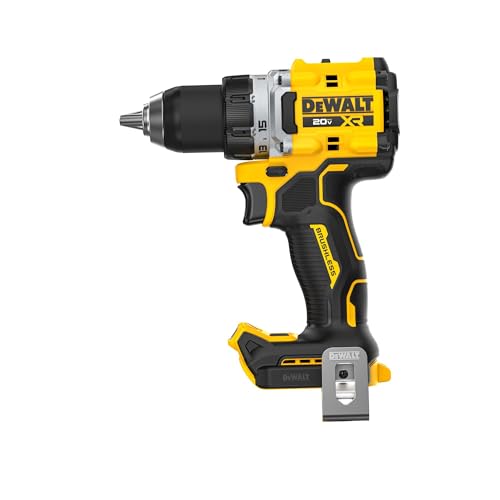
DeWalt DCD805 Brushless Drill
Best-in-class power and runtime for a compact drill.
| Feature | Brushless Motor | Brushed Motor |
|---|---|---|
| Efficiency | Up to 50% more efficient | Lower efficiency, more energy lost as heat |
| Power & Torque | Higher torque and consistent power | Lower torque, power drops as brushes wear |
| Runtime | Longer per battery charge | Shorter runtime |
| Maintenance | Minimal, no brushes to replace | Brushes wear out and need replacement |
| Cost | Higher upfront cost | Lower upfront cost |
| Weight | Often lighter and more compact | Can be heavier due to larger magnets |
| Lifespan | Longer, often 10+ years | Shorter, brushes may need replacing every 2-3 years |
| Noise | Quieter operation | Louder due to brush friction |
What is a Brushed Motor?
A brushed motor uses carbon brushes that physically contact the rotating commutator to deliver electricity to the windings. This design is simple, inexpensive, and has been used for decades in power tools. The friction between the brushes and commutator creates heat and wear, which reduces efficiency over time and limits the motor's lifespan. Brushed motors are common in entry-level and budget tools.
What is a Brushless Motor?
A brushless motor eliminates carbon brushes entirely. Instead, it uses an electronic controller to switch the current between the motor windings. This design reduces friction, heat, and energy loss, resulting in higher efficiency, more torque, and longer runtime. Brushless motors are found in premium tools from brands like DeWalt, Milwaukee, and Makita. They are more expensive to manufacture but offer significant performance advantages.
Brushless vs Brushed: Which is Better for You?
The choice depends on your usage frequency, budget, and performance needs. For occasional DIY tasks like drilling a few holes or driving screws, a brushed tool is often sufficient and more affordable. For regular use, professional jobs, or demanding applications like concrete drilling or heavy-duty fastening, a brushless tool provides better power, runtime, and durability. The higher upfront cost of brushless tools is usually offset by longer battery life and reduced maintenance.
What to Check Before Buying
Consider the following factors when choosing between brushed and brushless tools:
- Usage Frequency: If you use the tool weekly or daily, invest in brushless. For occasional use, brushed is fine.
- Battery Ecosystem: If you already own batteries from one brand, check if they offer brushless tools in the same system.
- Power Requirements: For high-torque applications like drilling masonry or driving large lag bolts, brushless is superior.
- Budget: Brushless tools cost 30-50% more. Calculate the total cost including batteries and charger.
- Weight and Size: Brushless tools are often lighter and more compact, which reduces fatigue during extended use.
Mistakes to Avoid
- Buying a brushed tool for heavy use: Brushed motors lose power as brushes wear, leading to frustration on demanding jobs.
- Ignoring battery compatibility: Not all batteries work with brushless tools. Check voltage and amp-hour ratings.
- Overlooking warranty: Brushless tools often come with longer warranties, reflecting their reliability.
- Assuming all brushless are equal: Performance varies by brand and model. Check torque specs and user reviews.
DeWalt DCD805 Brushless Drill
Best OverallPros
- Excellent power-to-weight ratio
- Long runtime with 5Ah battery
- Durable all-metal chuck
Cons
- No belt clip included
- Higher price than brushed models
The DeWalt DCD805 is a compact brushless drill that delivers impressive torque for its size. Owner reviews consistently praise its ability to handle heavy-duty drilling tasks without bogging down. The brushless motor provides up to 50% more runtime compared to brushed drills in the same class.
This tool is part of the DeWalt 20V MAX system, which offers a wide range of compatible batteries and tools. The build quality is robust, with a metal chuck and reinforced housing. It is ideal for professionals and serious DIYers who need reliable performance.
Milwaukee M18 Fuel Hammer Drill
Best for Heavy DutyPros
- Extremely high torque for concrete drilling
- Excellent build quality
- Long battery life with M18 batteries
Cons
- Heavier than compact drills
- Premium price point
The Milwaukee M18 Fuel hammer drill is a powerhouse designed for the toughest jobs. Its brushless motor delivers 1200 in-lbs of torque, making it capable of drilling through concrete and masonry with ease. Owner reviews highlight its reliability on construction sites.
This tool features Milwaukee's REDLINK intelligence, which protects the battery and motor from overload. It is compatible with the entire M18 battery system. While it is heavier and more expensive, its performance justifies the cost for professionals.

Makita XFD131 Brushless Drill
Best CompactPros
- Very lightweight and compact
- Smooth variable speed trigger
- Excellent build quality
Cons
- Lower torque than competitors
- No hammer function
The Makita XFD131 is one of the lightest brushless drills on the market, weighing just 3.3 lbs. It is perfect for overhead work and extended use without fatigue. The brushless motor provides smooth power delivery and good runtime with Makita's 18V batteries.
This drill is ideal for cabinet installation, furniture assembly, and light construction. Owner reviews note its excellent ergonomics and durable construction. It lacks a hammer function, so it is not suitable for masonry drilling.
Ryobi P251 Brushless Drill
Best ValuePros
- Affordable brushless option
- Compatible with Ryobi 18V ONE+ system
- Good torque for the price
Cons
- Build quality not as premium as DeWalt/Milwaukee
- Battery life slightly lower than top brands
The Ryobi P251 brings brushless technology to a budget-friendly price point. It offers 750 in-lbs of torque, which is sufficient for most DIY tasks. The tool is part of the Ryobi ONE+ system, which includes over 200 compatible tools.
Owner reviews appreciate the value for money, though some note the plastic housing feels less durable than premium brands. It is a great entry point for homeowners looking to upgrade from brushed tools without a large investment.
Bosch GSR18V-755B12 Brushless Drill
Best for PrecisionPros
- Excellent speed control for delicate work
- Compact and well-balanced
- Durable Bosch build quality
Cons
- Battery system not as extensive as DeWalt/Milwaukee
- Chuck can slip under heavy load
The Bosch GSR18V-755B12 is designed for precision tasks like cabinet installation and electronics work. Its brushless motor provides smooth variable speed control, allowing for accurate screw driving without stripping. The tool is lightweight and well-balanced.
Owner reviews highlight the comfortable grip and low vibration. The main drawback is the smaller selection of tools in the Bosch 18V system compared to competitors. It is a solid choice for woodworking and fine assembly.
FAQs
What is the main difference between brushed and brushless motors?
Brushed motors use carbon brushes that create friction and wear, while brushless motors use electronic controllers for higher efficiency and longer life.
Are brushless tools worth the extra cost?
Yes, for frequent or heavy use, as they offer more power, longer runtime, and less maintenance, saving money over time.
Do brushless motors last longer than brushed motors?
Yes, brushless motors typically last 2-3 times longer because there are no brushes to wear out.
Can I use brushed batteries in brushless tools?
It depends on the brand. Some systems are cross-compatible, but always check voltage and connector type.
Are brushless tools lighter than brushed tools?
Often yes, because brushless motors are more compact and efficient, reducing overall weight.
Do brushless tools need more maintenance?
No, they require less maintenance since there are no brushes to replace.
Which brands make the best brushless tools?
DeWalt, Milwaukee, Makita, Bosch, and Ryobi are top brands with reliable brushless lines.
Can I use a brushless drill for concrete?
Yes, if it has a hammer function and sufficient torque, like the Milwaukee M18 Fuel.
Are brushed tools being phased out?
Not completely, but brushless tools are becoming standard for most new professional-grade tools.
Do brushless motors run cooler?
Yes, because they have less friction and heat buildup, improving performance and lifespan.
Our verdict
For most users, the DeWalt DCD805 brushless drill offers the best overall balance of power, runtime, and value. If you are on a tight budget, the Ryobi P251 is a solid brushless option. For heavy-duty work, the Milwaukee M18 Fuel is unmatched. Avoid brushed tools if you need consistent performance for regular use.