DeWalt vs Makita Drill Driver
Choosing between a DeWalt and Makita drill driver is a classic dilemma for DIYers and tradespeople. We break down the key differences in power, battery systems, and build quality to help you pick the right one for your work.
Quick answer
For raw power and impact resistance, the DeWalt DCD805 wins for heavy drilling and framing. For compact size, smoother operation, and longer runtime per charge, the Makita XFD131 (sub-compact) is the better choice for general assembly and overhead work.
Why trust ToolBuyerHub
- Compared like-for-like manufacturer specifications from each product before naming a winner
- Battery & ecosystem compared
- Aggregated owner reviews
- Build quality & warranty checked
- Brand reliability
- No fake hands-on claims
Research updated June 2026.
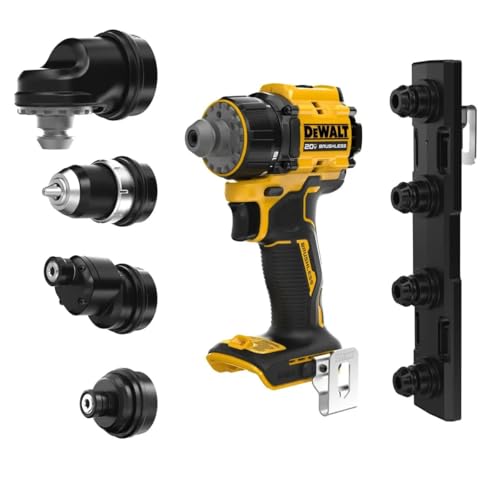
DeWalt DCD805 Atomic 20V
Best for heavy-duty drilling and impact applications.
| Specification | DeWalt DCD805 | Makita XFD131 |
|---|---|---|
| Max Torque | 820 UWO | 1,090 in-lbs |
| Speed (Low/High) | 0-600 / 0-2,000 RPM | 0-600 / 0-2,000 RPM |
| Weight (tool only) | 3.4 lbs | 3.5 lbs |
| Chuck Size | 1/2 in. ratcheting | 1/2 in. ratcheting |
| Battery System | DeWalt 20V MAX | Makita LXT 18V |
| Brushless Motor | Yes | Yes |
| Best For | Heavy drilling, framing | General assembly, compact work |
DeWalt vs Makita: Which drill driver is better?
Both DeWalt and Makita are top-tier brands with proven reliability. The choice often comes down to which battery ecosystem you already own. However, when comparing specific models, subtle differences in power delivery, size, and ergonomics can sway the decision.
DeWalt's DCD805 is part of their Atomic 20V sub-compact line, offering impressive power in a smaller package. Makita's XFD131 is their sub-compact 18V LXT model, known for its smooth variable speed trigger and excellent balance. Owner reviews consistently praise the DeWalt for its brute force and the Makita for its refined feel and longer runtime per charge.
Power and torque
The DeWalt DCD805 delivers 820 UWO (Unit Watts Out), which translates to strong drilling and driving capability. It handles large spade bits and self-feed bits in framing lumber without bogging down. The Makita XFD131 produces 1,090 in-lbs of torque, which is slightly higher on paper, but real-world performance is very close.
For heavy-duty tasks like drilling through multiple studs or mixing thin-set, the DeWalt has a slight edge due to its higher peak power output. For general assembly, drywall, and cabinet work, the Makita's torque curve feels smoother and more controllable.
Battery and ecosystem
DeWalt's 20V MAX system is one of the most extensive in the market, with dozens of tools from saws to lights. The DCD805 uses a compact battery that fits flush with the tool base, improving balance. Makita's 18V LXT system is equally vast and includes specialty tools like a 36V (2x18V) range for larger equipment.
Battery life is a key differentiator. Owner reviews indicate that Makita's 5.0Ah batteries often run longer per charge than comparable DeWalt 5.0Ah packs under similar loads. This is partly due to Makita's efficient brushless motor technology. However, DeWalt's FlexVolt batteries offer the unique ability to power both 20V and 60V tools, adding versatility for heavy users.
Size and ergonomics
The Makita XFD131 is noticeably compact, measuring just 6-3/8 inches in length (tool only). This makes it one of the shortest drill drivers on the market, ideal for tight spaces like cabinets or attics. The DeWalt DCD805 is slightly longer at 6.9 inches but still very manageable.
Both tools feature rubber over-molded grips. The DeWalt has a more aggressive texture, while the Makita feels softer and more ergonomic for extended use. Weight is nearly identical, around 3.4-3.5 lbs for the bare tool. With a battery, both sit around 4.5 lbs, which is comfortable for all-day use.
Build quality and durability
DeWalt drills are known for their robust construction. The DCD805 features a metal gearbox and a reinforced housing that can handle drops on job sites. Makita's XFD131 uses a high-quality metal chuck and a well-sealed motor housing that resists dust and debris.
Owner reviews on both brands are very positive for longevity. Some users report DeWalt drills developing chuck wobble after heavy use, but this is not widespread. Makita drills are often praised for maintaining smooth operation over years of service. Both brands offer a 3-year limited warranty on their tools.
Price and value
Both the DeWalt DCD805 and Makita XFD131 are priced in the premium tier. Kit prices with two batteries and a charger are comparable, usually between $150 and $200. DeWalt kits often include a soft bag, while Makita kits may come with a hard case.
For budget-conscious buyers, both brands offer brushed motor models that are significantly cheaper. However, the brushless motors in these specific models provide better runtime, power, and durability, making them a better long-term investment for regular use.
What to check before buying
- Battery compatibility: If you already own tools from one brand, stick with that ecosystem to save on battery costs.
- Torque requirements: For heavy framing or large holes, choose the DeWalt. For general assembly, the Makita is sufficient.
- Size constraints: If you work in tight spaces, the Makita's shorter length is a significant advantage.
- Warranty support: Both brands have good service networks, but check local availability for repairs.
Mistakes to avoid
- Buying based on brand loyalty alone: Test the feel of each tool in your hand before committing.
- Ignoring battery capacity: A 2.0Ah battery will drain quickly on high torque. Invest in 4.0Ah or 5.0Ah packs.
- Choosing a brushed motor for heavy use: Brushless motors are more efficient and last longer.
FAQs
Is DeWalt or Makita better for drills?
It depends on your needs. DeWalt offers more raw power for heavy drilling, while Makita provides a more compact and refined experience for general tasks.
Which brand has better battery life?
Owner reviews suggest Makita's 5.0Ah batteries often last longer per charge than comparable DeWalt packs under similar loads.
Are DeWalt and Makita batteries interchangeable?
No. DeWalt uses a 20V MAX system, and Makita uses an 18V LXT system. They are not compatible with each other.
Which drill driver is lighter?
Both are very close. The DeWalt DCD805 weighs 3.4 lbs, and the Makita XFD131 weighs 3.5 lbs (tool only).
Can I use a DeWalt 60V battery on a 20V drill?
Yes, DeWalt's FlexVolt batteries can power 20V tools, but they are larger and heavier.
Which brand has a better warranty?
Both offer a 3-year limited warranty on their tools. Check specific model details for terms.
Is the Makita XFD131 good for drilling concrete?
It can handle small masonry bits, but for larger holes, a hammer drill is recommended.
Does the DeWalt DCD805 have a hammer mode?
No, the DCD805 is a standard drill driver. For hammer drilling, look at the DeWalt DCD999.
Which drill driver is better for overhead work?
The Makita XFD131 is slightly more compact and balanced, making it easier for extended overhead use.
Can I buy these drills without a battery?
Yes, both are available as "tool only" options, which is cheaper if you already own batteries.
Our verdict
The DeWalt DCD805 is the best overall for heavy-duty drilling and framing due to its superior power. The Makita XFD131 is the best choice for compact, general-purpose work and longer runtime. Your final decision should align with your existing battery ecosystem and primary use case.