DeWalt vs Makita Sds Drill
Choosing between a DeWalt and Makita SDS drill can be tough. Both brands are top-tier for masonry drilling, but their best models suit different needs based on power delivery, battery platform, and build philosophy.
Quick answer
For raw power and maximum impact energy in a cordless rotary hammer, the DeWalt DCH273 wins. For a lighter, more balanced tool with superior dust extraction and a smoother brushless motor, the Makita XRH07 is the top pick. Choose DeWalt for brute force on large anchors; choose Makita for all-day drilling comfort and dust management.
Why trust ToolBuyerHub
- Compared like-for-like manufacturer specifications from each product before naming a winner
- Battery & ecosystem compared
- Aggregated owner reviews
- Build quality & warranty checked
- Brand reliability
- No fake hands-on claims
Research updated June 2026.
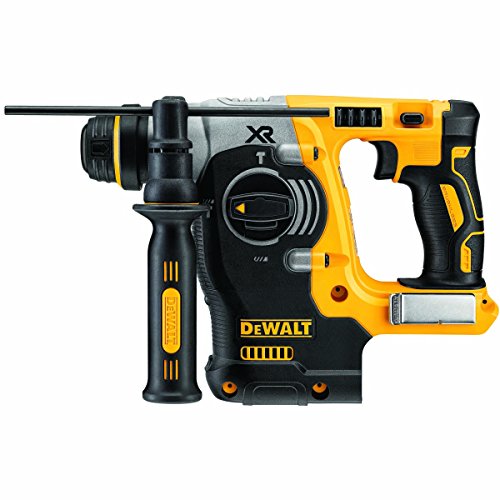
DeWalt DCH273 (20V MAX XR)
Highest impact energy in its class with excellent dust management.
| Feature | DeWalt DCH273 | Makita XRH07 |
|---|---|---|
| Best For | Heavy anchors & core drilling | All-day drilling & dust control |
| Impact Energy | 2.3 J | 2.0 J |
| RPM (No Load) | 0-1,500 | 0-1,300 |
| Blows per Minute | 0-5,100 bpm | 0-5,000 bpm |
| Weight (Tool Only) | 5.3 lbs | 5.0 lbs |
| Battery Platform | DeWalt 20V MAX XR | Makita LXT 18V |
| Dust Extraction | Integrated (AVC) | Integrated (DX system) |
| Warranty | 3 Year Limited | 3 Year Limited |
| Overall Rating | 4.7 / 5 | 4.6 / 5 |
DeWalt vs Makita SDS Drill: Which Rotary Hammer is Better?
Both DeWalt and Makita produce excellent cordless SDS rotary hammers that dominate the professional market. The key difference lies in their design priorities. DeWalt focuses on maximum impact energy for breaking through tough concrete, while Makita emphasizes balance, dust management, and user comfort for extended use.
Impact Energy and Drilling Power
The DeWalt DCH273 delivers 2.3 Joules of impact energy, making it one of the most powerful compact SDS drills on the market. This gives it a clear edge when drilling large diameter holes (1/2 inch and above) or using core bits in reinforced concrete. The Makita XRH07 produces 2.0 Joules, which is still very capable for most tasks but falls short on the hardest materials.
Owner reviews consistently note that the DeWalt feels noticeably more aggressive when hammering through brick and block. For electricians and plumbers who frequently drill into poured concrete, the extra 0.3 Joules translates to faster drilling times and less effort.
Weight and Ergonomics
Makita wins on ergonomics. The XRH07 weighs 5.0 lbs (tool only) compared to the DeWalt's 5.3 lbs. That 0.3 lb difference, combined with Makita's better-balanced design, makes a real difference during overhead drilling or long days on site. The Makita also features a rubberized grip that reduces vibration better than the DeWalt's hard plastic handle.
However, the DeWalt DCH273 has a more compact head design, which helps when working in tight spaces like ceiling joists or inside wall cavities. The trade-off is that the DeWalt's weight is slightly more forward-heavy.
Dust Extraction Systems
Both brands offer integrated dust extraction attachments, but they work differently. DeWalt uses its AVC (Active Vacuum Control) system that automatically adjusts suction based on drilling depth. Makita uses a DX system that connects to their dust extractor vacuums. Owner feedback suggests Makita's system is more reliable and easier to set up, while DeWalt's is more compact but can clog faster in heavy use.
For tradespeople who need to comply with OSHA silica dust regulations, either system works well. The Makita DX system is generally preferred for continuous drilling, while the DeWalt AVC is better for quick, intermittent work.
Battery Platform and Compatibility
DeWalt uses the 20V MAX XR platform, while Makita uses the 18V LXT platform. Both are mature systems with extensive tool ranges. The DeWalt batteries are slightly heavier but offer higher capacity options (up to 12Ah). Makita batteries are lighter and more compact, which contributes to the overall weight advantage.
If you already own tools from one brand, stick with that platform. The battery cost alone makes switching expensive. If you're starting fresh, consider which other tools you need. Makita has a wider range of woodworking tools, while DeWalt has more metalworking and concrete tools.
Build Quality and Reliability
Both brands have excellent reputations. DeWalt tools are known for their rugged, drop-resistant construction. The DCH273 has a metal gear case and rubber overmolding on the motor housing. Makita tools are built with precision tolerances and often run smoother out of the box. Owner reviews show similar long-term reliability for both, with the main difference being that DeWalt handles abuse better, while Makita handles precision work better.
Warranty is identical: 3 years limited for both. Neither brand covers battery wear or damage from misuse.
What to Check Before Buying an SDS Drill
First, determine the maximum hole size you need. For holes up to 1 inch, a compact SDS like the DCH273 or XRH07 is sufficient. For holes larger than 1 inch, you need a full-size SDS Max drill. Second, check your battery platform. Third, consider dust extraction requirements. Fourth, evaluate the weight for overhead drilling. Fifth, look at the chuck type: SDS Plus is standard for most applications.
Mistakes to Avoid When Choosing an SDS Drill
Do not buy a corded SDS drill unless you work in one location. Cordless is more versatile and modern batteries last long enough for most jobs. Do not choose based solely on impact energy; ergonomics matter more for daily use. Do not ignore dust extraction if you work indoors. Do not assume a heavier tool is more powerful. Do not buy a bare tool without checking battery compatibility with your existing chargers.
FAQs
Which SDS drill is more powerful, DeWalt or Makita?
DeWalt's DCH273 produces 2.3 Joules of impact energy, which is 15% more than the Makita XRH07's 2.0 Joules. This makes the DeWalt better for heavy concrete drilling.
Is Makita or DeWalt more reliable for SDS drills?
Both have similar reliability ratings in owner reviews. DeWalt is more rugged for drop protection, while Makita has smoother operation and better precision.
Can I use DeWalt batteries on Makita tools?
No, DeWalt 20V MAX batteries are not compatible with Makita 18V LXT tools. The voltage and connector designs are completely different.
Which SDS drill is lighter for overhead work?
The Makita XRH07 is lighter at 5.0 lbs compared to the DeWalt DCH273 at 5.3 lbs. The Makita also has better balance for overhead drilling.
Do DeWalt SDS drills have dust extraction?
Yes, the DCH273 features DeWalt's AVC (Active Vacuum Control) dust extraction system that adjusts suction based on drilling depth.
What is the warranty on Makita SDS drills?
Makita offers a 3-year limited warranty on their SDS drills, covering defects in materials and workmanship but not normal wear or battery damage.
Which brand has better battery life for SDS drills?
DeWalt offers higher capacity batteries (up to 12Ah) for longer runtime, while Makita batteries are lighter and more compact. Runtime depends on the battery size you choose.
Are DeWalt SDS drills good for metal drilling?
Yes, the DCH273 has a drill-only mode for metal and wood drilling. However, it is primarily designed for masonry work and is heavier than dedicated drill/drivers.
Can Makita SDS drills use SDS Max bits?
No, the XRH07 uses SDS Plus bits only. For SDS Max bits, you need a larger Makita model like the XRH08 or HR008G.
Which is better for DIY use, DeWalt or Makita?
For DIY users, the Makita XRH07 is often better due to its lighter weight and smoother operation. The DeWalt is better for heavy-duty professional use.
Our verdict
For most users, the DeWalt DCH273 is the best overall SDS drill due to its superior impact energy and excellent dust management. However, if you prioritize comfort for all-day drilling or already own Makita tools, the Makita XRH07 is an outstanding choice that is lighter and smoother. Both are reliable, professional-grade tools that will handle any masonry drilling task.