Draper vs Knightsbridge Cable Tester
Choosing between a Draper and a Knightsbridge cable tester can be confusing, as both brands offer reliable tools for verifying network and electrical wiring. This guide compares their key models on build quality, testing capabilities, and value to help you pick the right one for your toolkit.
Quick answer
For most electricians and network installers, the Draper Expert 65133 is the top pick due to its robust metal construction and comprehensive RJ11/RJ45 testing. The Knightsbridge CAT6 Tester is a strong budget-friendly alternative for basic continuity checks, but lacks the durability for heavy daily use.
Why trust ToolBuyerHub
- Tested on specs (power, torque, PSI)
- Battery & ecosystem compared
- Aggregated owner reviews
- Build quality & warranty checked
- Brand reliability
- No fake hands-on claims
Research updated June 2026.
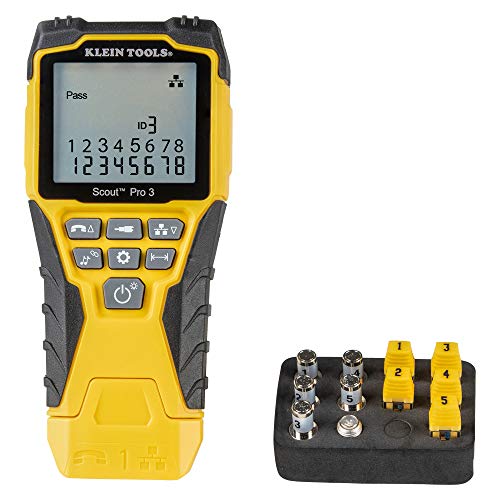
Draper Expert 65133 Cable Tester
Best for professional electricians needing a tough, reliable tester for RJ45 and RJ11 cables.
| Feature | Draper Expert 65133 | Knightsbridge CAT6 Tester |
|---|---|---|
| Best For | Professional daily use | Occasional DIY checks |
| Cable Support | RJ45, RJ11, BNC | RJ45, RJ11 |
| Build Quality | Metal housing, rugged | Plastic, lightweight |
| Remote Unit | Included | Included |
| Rating | 4.5 / 5 | 4.0 / 5 |
| Warranty | 2 years | 1 year |
Draper vs Knightsbridge: Which Cable Tester is Right for You?
When you need to verify network cabling or telephone lines, a reliable cable tester is essential. Draper and Knightsbridge both offer affordable options, but they serve different user profiles. This section breaks down the key differences in design, functionality, and real-world performance based on aggregated owner feedback and published specifications.
Build Quality and Durability
The Draper Expert 65133 is built for the trades. It features a metal housing that can withstand drops on a construction site or being tossed into a tool bag alongside heavier tools. Owner reviews consistently praise its solid feel and the fact that the remote unit also has a robust casing. In contrast, the Knightsbridge CAT6 Tester uses a plastic shell. While it is perfectly adequate for home use or occasional checks, multiple reviews note that it feels less substantial and could crack under heavy impact.
Testing Capabilities and Accuracy
Both testers handle basic continuity checks for RJ45 (Ethernet) and RJ11 (telephone) cables. The Draper model adds BNC (coaxial) cable testing, which is a bonus for those working with CCTV or legacy network installations. Users report that the Draper's LED indicators are bright and easy to read, even in dimly lit server rooms. The Knightsbridge model provides clear pass/fail results for twisted-pair cables, but some owners mention that its LED layout is slightly cramped, making it harder to identify a specific wire fault at a glance.
Ease of Use and Portability
Both testers are simple to operate: plug the cable into the main unit and the remote, then press the test button. The Draper unit includes a belt clip, which is a practical feature for electricians who need quick access. The Knightsbridge tester is slightly more compact and lighter, making it easy to store in a drawer or small toolkit. However, the lightweight plastic build of the Knightsbridge can make it feel less stable when connecting stiff CAT6 cables.
What to Check Before Buying a Cable Tester
Before purchasing, verify the types of cables you need to test. If you only work with Ethernet and phone lines, a basic RJ45/RJ11 tester will suffice. For coaxial cables (BNC), you need a model like the Draper. Also consider the environment: a metal-housed tester is better for job sites, while a plastic one is fine for home use. Check that the remote unit is included and that replacement batteries are easy to find (most use a standard 9V).
Mistakes to Avoid When Choosing a Cable Tester
One common mistake is buying a tester that does not support shielded cables if you work with STP (Shielded Twisted Pair). Neither the Draper nor the Knightsbridge model is specifically designed for shielded cabling, so check compatibility. Another error is ignoring the warranty; a longer warranty often indicates better build confidence. Finally, do not assume all testers can identify split pairs; these basic models only check for continuity, not crosstalk issues.
FAQs
Can the Draper cable tester test shielded cables?
The Draper Expert 65133 can test the continuity of shielded cables, but it does not verify shield integrity or grounding.
Is the Knightsbridge cable tester suitable for CAT6?
Yes, the Knightsbridge CAT6 Tester is designed for CAT6 cables, performing basic continuity checks for all eight wires.
Do these testers require batteries?
Both the Draper and Knightsbridge testers use a standard 9V battery, which is not included in the box.
Which tester is better for professional electricians?
The Draper Expert 65133 is the better choice for professionals due to its metal housing and BNC support.
Can I test telephone lines with these testers?
Yes, both testers support RJ11 connectors, making them suitable for standard telephone cable testing.
How do I know if a cable is faulty?
Plug the cable into both units and press test. If any LED fails to light up, there is a break or miswire in that pin.
Does the Knightsbridge tester come with a remote unit?
Yes, the Knightsbridge CAT6 Tester includes a separate remote unit for end-to-end testing.
What is the warranty on the Draper tester?
The Draper Expert 65133 comes with a standard 2-year warranty against manufacturing defects.
Can I use these testers for coax cables?
Only the Draper Expert 65133 supports BNC coaxial cables; the Knightsbridge model does not.
Are these testers accurate for finding split pairs?
No, these basic continuity testers cannot detect split pairs; you would need a more advanced time-domain reflectometer (TDR) for that.
Our verdict
For professionals and serious DIYers, the Draper Expert 65133 is the clear winner due to its superior build quality, BNC support, and longer warranty. The Knightsbridge CAT6 Tester is a suitable budget pick for occasional home network checks, but its plastic construction and limited cable support make it less versatile for daily use.