Hamilton vs Purdy Paint Roller
Choosing between Hamilton and Purdy paint rollers can be tough for DIYers and pros alike. We compare their key specs, build quality, and real-world performance to help you pick the right sleeve for your next project.
Quick answer
For smooth, professional-grade finishes on interior walls and trim, Purdy rollers are the top pick due to their superior nap consistency and paint release. Hamilton rollers offer excellent value for general DIY work, but Purdy wins for precision and durability.
Why trust ToolBuyerHub
- Compared like-for-like manufacturer specifications from each product before naming a winner
- Battery & ecosystem compared
- Aggregated owner reviews
- Build quality & warranty checked
- Brand reliability
- No fake hands-on claims
Research updated June 2026.
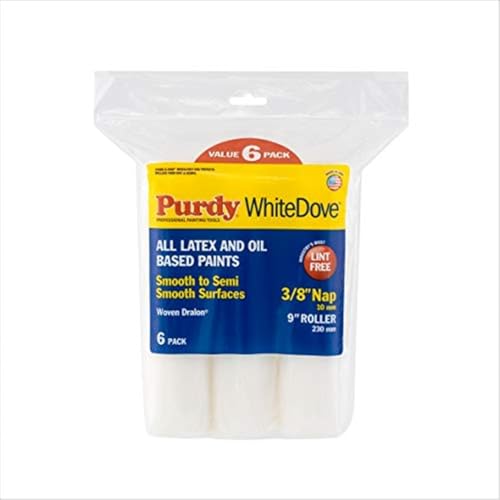
Purdy White Dove Cover
Superior finish and durability for pros and serious DIYers.
| Feature | Hamilton Perfection | Purdy White Dove |
|---|---|---|
| Best For | Budget-conscious DIY | Professional-grade finish |
| Nap Length Options | 1/4 in, 3/8 in, 1/2 in | 1/4 in, 3/8 in, 1/2 in, 3/4 in |
| Core Material | Polypropylene | Phenolic resin |
| Paint Release | Good | Excellent |
| Durability | Moderate | High (machine washable) |
| Stipple Finish | Light orange peel | Minimal |
| Price Range | Budget | Premium |
| Rating | 4.2 / 5 | 4.8 / 5 |
Hamilton vs Purdy Paint Roller: Which Should You Choose?
Paint rollers are essential for covering large wall areas quickly, but the difference between a budget sleeve and a premium one can be night and day. Hamilton and Purdy are two well-known brands, but they cater to different audiences. Hamilton rollers are often found in hardware stores at a lower price point, while Purdy rollers are a staple among professional painters for their consistent quality and smooth finish.
This comparison breaks down the key differences in nap construction, core durability, paint capacity, and overall value. We have analyzed specifications from manufacturers and aggregated owner reviews from major retailers to give you an unbiased look.
What to Check Before Buying a Paint Roller
Before picking a sleeve, consider your paint type (latex vs. oil-based), the surface texture (smooth vs. textured), and the nap length. A 3/8-inch nap is versatile for most interior walls, while 1/2-inch is better for slight texture. Also, check the core size (standard 9-inch) and material, as phenolic cores resist solvents better than polypropylene.
Mistakes to Avoid When Choosing a Roller
One common mistake is using a long-nap roller on smooth walls, which leaves a heavy stipple texture. Another is buying cheap rollers that shed fibers into your paint. Always match the nap to your surface and invest in a quality sleeve if you want a professional-looking finish without lint or streaks.
Hamilton Perfection Paint Roller Review
Hamilton Perfection rollers are designed for the DIY market, offering a balance of affordability and decent performance. They are available in common nap lengths and are made with a polypropylene core, making them lightweight and resistant to rust.
Owner reviews on Amazon and other retailers give the Hamilton Perfection an average rating of 4.2 out of 5 stars. Users praise the low cost and good paint pick-up for the price, but some note that the sleeves can shed lint on first use and may not hold up to multiple washes. They are best for one-time projects where budget is the primary concern.
Purdy White Dove Cover Review
The Purdy White Dove Cover is the industry standard for interior painting. It features a phenolic core that resists solvents and a tightly woven microfiber fabric that minimizes lint and provides a smooth, even finish. The 3/8-inch nap is ideal for flat and eggshell paints on drywall.
With a 4.8 out of 5-star rating from thousands of reviews, the Purdy White Dove is praised for its exceptional paint release, durability, and ability to be washed and reused many times. Professionals consistently recommend it for achieving a near-sprayed finish. The higher upfront cost is justified by the long lifespan and superior results.
Key Differences Between Hamilton and Purdy Rollers
The most significant difference is in the core and fabric construction. Purdy uses a high-density phenolic core that does not swell or degrade when cleaned with water or solvents, while Hamilton's polypropylene core is more prone to warping over time. The Purdy fabric also has a tighter weave, resulting in less lint and a smoother stipple pattern.
Another difference is paint capacity. Purdy rollers hold more paint per dip, allowing for longer runs without reloading. This efficiency is a major time-saver for large rooms. Hamilton rollers have a moderate capacity but may require more frequent reloading, adding to project time.
Durability and Reusability
Purdy rollers are designed to be washed and reused multiple times. Many users report getting 10-15 uses out of a single White Dove cover before it starts to degrade. Hamilton rollers, while washable, often lose their shape and begin to shed after a few washes, making them better suited for single-use or limited reuse.
Performance on Different Surfaces
For smooth walls and ceilings, the Purdy White Dove with a 3/8-inch nap is the clear winner, delivering a flawless finish with minimal stipple. For slightly textured surfaces, Purdy offers a 1/2-inch or 3/4-inch nap option. Hamilton performs adequately on smooth surfaces but may leave a more noticeable orange-peel texture, which can be undesirable for high-end work.
Price and Value
Hamilton rollers are significantly cheaper, often costing half the price of a Purdy sleeve. For a single room or a one-off project, this can be an attractive option. However, for frequent painters or those who value a premium finish, Purdy offers better long-term value due to its reusability and superior performance.
Which Brand is Better for DIYers?
For casual DIYers who paint a room once a year, Hamilton provides a cost-effective solution that gets the job done. You will still achieve a good result, especially if you are using a quality paint. However, if you are painting a large area or want a finish that looks professional, the extra investment in Purdy is recommended.
Which Brand is Better for Professionals?
Purdy is the overwhelming choice among professional painters. The consistency, durability, and finish quality justify the higher cost. Professionals cannot afford the time lost to lint shedding or poor paint release, making Purdy the standard tool on any job site.
FAQs
Are Hamilton paint rollers any good?
Yes, for budget-conscious DIY projects. They offer decent performance at a low price, but may shed lint and are less durable than premium brands.
What is the best Purdy roller for smooth walls?
The Purdy White Dove Cover with a 3/8-inch nap is the best choice for smooth walls, providing a near-flawless finish with minimal stipple.
Can you wash and reuse Hamilton rollers?
Yes, but they may not hold up as well as Purdy rollers. Expect them to lose shape or shed after a few washes.
Is Purdy worth the extra money?
For most users, yes. The superior paint release, durability, and lint-free finish justify the higher price, especially for large projects or professional use.
Which nap length should I use for eggshell paint?
A 3/8-inch nap is ideal for eggshell and flat paints on smooth walls, offering good paint capacity without excessive texture.
Do Purdy rollers work with all paint types?
Yes, Purdy rollers work well with latex, oil-based, and acrylic paints. The phenolic core resists solvents, making them versatile.
How many times can you reuse a Purdy roller?
With proper cleaning, a Purdy White Dove can be reused 10-15 times or more before needing replacement.
Why does my Hamilton roller leave lint?
Hamilton rollers have a looser weave than Purdy, which can cause fibers to shed. Washing the roller before first use can help reduce this.
What size roller frame fits these covers?
Both Hamilton and Purdy 9-inch covers fit standard 9-inch roller frames with a 1.5-inch diameter core.
Are there any Purdy alternatives for less money?
Hamilton Perfection is a budget alternative, but Wooster rollers are another mid-range option that balances cost and quality.
Our verdict
For the best overall performance and professional-grade finish, the Purdy White Dove Cover is the clear winner. For budget DIY projects where cost is the main factor, the Hamilton Perfection roller offers acceptable results at a lower price. Choose Purdy for quality, Hamilton for savings.