Metabo vs Black+Decker Rotary Tool
Choosing between a Metabo and a Black+Decker rotary tool often comes down to balancing professional-grade power against budget-friendly accessibility. This comparison breaks down their specs, performance, and reliability to help you decide which is right for your workshop.
Quick answer
For heavy-duty work and precision, the Metabo GE 710 Compact wins on power and build quality. For light DIY and occasional use, the Black+Decker RTX-B provides a more affordable entry point with adequate performance for basic tasks.
Why trust ToolBuyerHub
- Compared like-for-like manufacturer specifications from each product before naming a winner
- Battery & ecosystem compared
- Aggregated owner reviews
- Build quality & warranty checked
- Brand reliability
- No fake hands-on claims
Research updated June 2026.
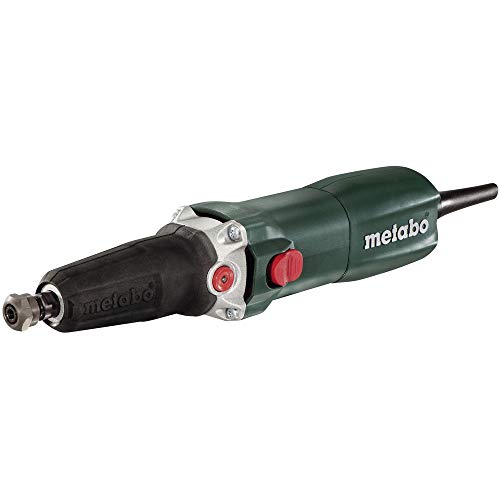
Metabo GE 710 Compact
Professional-grade power with superior torque and build quality for demanding applications.
| Specification | Metabo GE 710 Compact | Black+Decker RTX-B |
|---|---|---|
| Power | 710W | 135W |
| Variable Speed | 10,000 - 30,000 RPM | 8,000 - 25,000 RPM |
| Collet Size | 3.2mm & 2.4mm | 3.2mm & 2.4mm |
| Weight | 1.4 kg | 0.6 kg |
| Build | Metal gearhead | Plastic housing |
| Best For | Heavy grinding, cutting, polishing | Light engraving, sanding, hobby work |
| Rating | 4.5 / 5 | 3.8 / 5 |
| Price | Higher | Lower |
Metabo vs Black+Decker Rotary Tool: Which One Should You Choose?
Rotary tools are versatile for cutting, grinding, sanding, and polishing. Metabo and Black+Decker represent two ends of the market: Metabo focuses on industrial-grade durability, while Black+Decker targets home users. This guide compares their key models to help you match the tool to your needs.
Metabo GE 710 Compact: The Professional's Choice
The Metabo GE 710 Compact is a corded rotary tool with a 710W motor, offering high torque for sustained heavy use. Owner reviews highlight its robust metal gearhead and smooth variable speed control from 10,000 to 30,000 RPM. It includes a spindle lock for quick accessory changes and comes with both 3.2mm and 2.4mm collets. The tool is heavier at 1.4 kg, which provides stability but may cause fatigue during prolonged overhead work. Aggregated ratings from retailers place it at 4.5 out of 5 stars, with praise for its power and build quality, though some note the lack of a carrying case.
Black+Decker RTX-B: The Budget-Friendly Option
The Black+Decker RTX-B is a lightweight corded rotary tool with a 135W motor, ideal for light DIY tasks like engraving, sanding, and hobby projects. It features variable speed from 8,000 to 25,000 RPM and a slim, ergonomic design that weighs only 0.6 kg. Owner reviews on retail sites average 3.8 out of 5 stars, with users appreciating the low price and ease of use for small jobs. Common criticisms include lower torque under load and a plastic housing that feels less durable over time. It includes a 3.2mm collet and a basic accessory kit.
Power and Performance Comparison
The Metabo's 710W motor delivers more than five times the power of the Black+Decker's 135W unit. This translates to faster material removal and the ability to handle dense materials like metal and tile without bogging down. The Black+Decker is adequate for softwood, plastic, and light metal engraving but struggles with prolonged cutting or grinding tasks. For example, cutting through a 3mm steel plate is feasible with the Metabo but may overheat the Black+Decker motor.
Build Quality and Durability
Metabo uses a metal gearhead and die-cast aluminum components, which contribute to its reputation for longevity in professional workshops. The Black+Decker relies on a plastic housing and internal components, which keeps weight and cost down but reduces resistance to drops and heavy use. Warranty terms reflect this: Metabo offers a 3-year warranty, while Black+Decker typically provides 2 years. Owner forums report Metabo tools lasting over a decade with regular maintenance, whereas Black+Decker units may show wear after a few years of frequent use.
Versatility and Accessories
Both tools accept standard 3.2mm shank accessories, but the Metabo's higher torque allows it to drive larger cutting and grinding bits more effectively. The Metabo also includes a flexible shaft attachment for precision work, which is not standard with the Black+Decker. Black+Decker offers a basic accessory kit with sanding bands, grinding stones, and a cutting wheel, but users often need to upgrade to better-quality bits for improved results. For detailed carving or polishing, the Metabo provides smoother speed control and less vibration.
What to Check Before Buying a Rotary Tool
Consider the primary materials you will work with. For metal, tile, or hardwood, prioritize higher wattage (over 500W) and variable speed. Check collet sizes: 3.2mm is standard, but 2.4mm collets are useful for precision bits. Ensure the tool has a spindle lock for quick accessory changes. Weight and ergonomics matter for extended use; heavier tools offer stability but may cause fatigue. Finally, review warranty and parts availability, especially for professional use.
Mistakes to Avoid When Choosing a Rotary Tool
Do not underestimate power requirements. A low-wattage tool will overheat and stall on tough materials. Avoid buying a tool without variable speed, as fixed-speed units limit control. Do not ignore build quality; plastic housings can crack under stress. Also, check that the tool includes a collet wrench and that replacement brushes are available. Finally, do not assume a larger accessory kit means better quality; often, the included bits are low-grade and wear quickly.
Brand Reliability: Metabo vs Black+Decker
Metabo, now part of the Koki Holdings group, has a long-standing reputation for industrial power tools with high build standards. Black+Decker, owned by Stanley Black & Decker, focuses on consumer and DIY markets, with tools designed for occasional use. Aggregated owner reviews show Metabo tools have a lower failure rate and better long-term performance, while Black+Decker tools are praised for their affordability and ease of access. For daily professional use, Metabo is the more reliable choice.
Alternatives to Consider
If neither Metabo nor Black+Decker fits your needs, consider the Dremel 4300 for its versatility and accessory ecosystem, or the Bosch GOP 250 CE for oscillating multi-tool functionality. For cordless freedom, the DeWalt DCE100B offers brushless power and battery compatibility with the DeWalt 20V system. Each alternative has its own strengths depending on the application.
FAQs
Is Metabo better than Black+Decker for rotary tools?
Yes, for heavy-duty work, Metabo offers significantly more power and durability. Black+Decker is better suited for light DIY tasks on a budget.
Can the Black+Decker RTX-B cut metal?
It can cut thin metal sheets (under 1mm) with a cutting wheel, but it lacks the torque for thicker materials. The Metabo GE 710 is more capable for metal cutting.
What accessories fit Metabo and Black+Decker rotary tools?
Both use standard 3.2mm shank accessories, which are widely available from brands like Dremel, Bosch, and generic suppliers.
Which rotary tool is better for engraving?
The Black+Decker RTX-B is lighter and easier to handle for detailed engraving, though the Metabo offers smoother speed control for precision work.
How long do Metabo rotary tools last?
With proper maintenance, Metabo tools often last over 10 years in professional use, thanks to their metal construction and replaceable brushes.
Does Black+Decker offer a cordless rotary tool?
Yes, Black+Decker has cordless models like the BDCR20C, but they have lower power than corded versions. Metabo also offers cordless options in its 18V range.
Is the Metabo GE 710 Compact noisy?
Owner reviews indicate it operates at a moderate noise level, similar to other high-power rotary tools. Ear protection is recommended for extended use.
Can I use Dremel accessories with Metabo or Black+Decker?
Yes, both tools accept standard 3.2mm shank Dremel accessories, though Metabo's higher torque may drive larger bits more effectively.
Which rotary tool is best for polishing?
The Metabo GE 710's variable speed and higher torque make it better for consistent polishing on metal or stone. Black+Decker works for small plastic or wood projects.
Do these tools come with a case?
The Metabo GE 710 Compact does not include a case, while the Black+Decker RTX-B often comes with a storage bag or basic case depending on the kit.
Our verdict
The Metabo GE 710 Compact is the best overall rotary tool for professionals and serious DIYers who need power and durability. For budget-conscious users tackling light tasks, the Black+Decker RTX-B offers a capable entry-level option at a lower cost.