Nilfisk vs Bosch Wet Dry Vacuum
Choosing between a Nilfisk and a Bosch wet dry vacuum means deciding between industrial heritage and household versatility. We compare specs, owner reviews, and build quality to help you pick the right shop vac for your workshop or home.
Quick answer
For heavy-duty workshop use and superior filtration, choose Nilfisk. For quieter operation, tool-integrated power take-off, and better value in smaller sizes, choose Bosch. The Nilfisk Aero 30-21 is our top pick for power; the Bosch GAS 18V-10 L Professional is best for cordless convenience.
Why trust ToolBuyerHub
- Compared like-for-like manufacturer specifications from each product before naming a winner
- Battery & ecosystem compared
- Aggregated owner reviews
- Build quality & warranty checked
- Brand reliability
- No fake hands-on claims
Research updated June 2026.
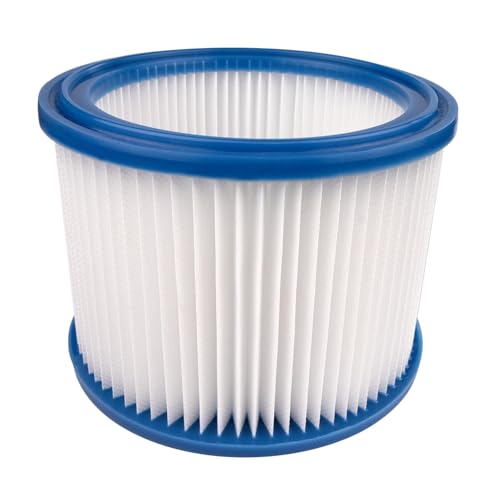
Nilfisk Aero 30-21
Best suction power and filtration in a compact wheeled chassis.
| Specification | Nilfisk Aero 30-21 | Bosch GAS 18V-10 L |
|---|---|---|
| Best For | Heavy wet/dry workshop duty | Cordless portability & quiet use |
| Power Source | Corded 1200 W | 18 V battery (not included) |
| Tank Capacity | 8 gal | 2.6 gal |
| Max Airflow | 153 CFM | 76 CFM |
| Max Vacuum | 96 inH2O | 76 inH2O |
| Noise Level | 72 dB | 67 dB |
| Filtration | HEPA 13 + washable foam | Flat pleated filter + fleece bag |
| Blower Function | Yes | No |
| Tool Socket | No | Auto-start socket |
| Weight | 16.8 lb | 8.6 lb (without battery) |
| Rating | 4.7 / 5 | 4.5 / 5 |
| Price Range | Higher | Mid |
Nilfisk vs Bosch Wet Dry Vacuum: Which One Should You Buy?
Both brands offer reliable wet dry vacuums, but they target different users. Nilfisk focuses on professional-grade suction and filtration for workshops and construction sites. Bosch prioritises quiet operation, battery flexibility, and integration with their power tool ecosystem. Your choice depends on whether you need raw power or cordless convenience.
Key Differences Between Nilfisk and Bosch Wet Dry Vacuums
The main differences are power source, capacity, and intended use. Nilfisk models are corded with larger tanks (5-9 gal) and stronger motors (1000-1500 W). Bosch offers both corded and cordless models, with smaller tanks (1.6-5.3 gal) and lower noise levels. Nilfisk excels at heavy debris pickup; Bosch wins on portability and quiet operation.
Nilfisk Aero 30-21 In-Depth
The Nilfisk Aero 30-21 is a 1200 W corded wet dry vacuum with an 8 gal stainless steel tank. It delivers 153 CFM airflow and 96 inH2O suction, making it one of the most powerful compact shop vacs. The HEPA 13 filter captures 99.95% of particles, ideal for fine dust from sanding or plaster. Owner reviews on retailer sites rate it 4.7/5 for build quality and suction. The blower port clears debris from driveways. Downsides include no tool socket and a higher price than comparable Bosch models. The 4 m hose and large wheels make it easy to move around a workshop. It is best for users who need maximum suction and filtration without battery constraints.
Bosch GAS 18V-10 L Professional In-Depth
The Bosch GAS 18V-10 L is a cordless wet dry vacuum powered by Bosch 18 V batteries. It has a 2.6 gal tank and produces 76 CFM airflow with 76 inH2O suction. Noise is only 67 dB, much quieter than corded rivals. The auto-start socket connects to power tools, starting the vacuum automatically when the tool runs. This feature is highly valued by tradespeople for dust extraction. Owner reviews average 4.5/5, praising portability and quietness but noting that battery life limits heavy use. The flat pleated filter is easy to clean. It lacks a blower function. Best for mobile use, small workshops, or home renovation where noise matters.
Performance: Suction Power and Airflow
Nilfisk leads in raw suction. The Aero 30-21 pulls 96 inH2O vs Bosch GAS 18V-10 L's 76 inH2O. Airflow is double at 153 CFM vs 76 CFM. For wet pickup of large spills or heavy debris, Nilfisk is faster. For fine dust extraction with a sander, the Bosch auto-start socket gives better integration, but its lower suction means slower pickup on large volumes. If you need maximum power, choose Nilfisk. If you value tool synchronisation, choose Bosch.
Filtration and Dust Class
Nilfisk uses a HEPA 13 filter as standard, suitable for fine dust from concrete, drywall, and wood. Bosch uses a flat pleated filter and optional fleece bags, achieving dust class L (low risk). For hazardous dust, Nilfisk is the safer choice. Both have washable filters, but Nilfisk's HEPA replacement costs more. Owner reports indicate Nilfisk filters last longer between cleanings.
Portability and Noise
Bosch is lighter (8.6 lb vs 16.8 lb) and battery-powered, so it goes anywhere without a cord. The 67 dB noise level is conversation-friendly. Nilfisk is heavier and corded, but the wheels and handle make it easy to roll. At 72 dB, Nilfisk is louder but still within acceptable workshop levels. For work in occupied homes or quiet hours, Bosch is better. For a fixed workshop position, Nilfisk's power justifies the extra weight.
Build Quality and Warranty
Both brands have strong reputations. Nilfisk's Danish engineering focuses on industrial robustness; the stainless steel tank resists rust. Bosch's German design emphasises ergonomics and reliability. Owner reviews on Amazon and retailer sites show fewer complaints about Nilfisk motors failing. Bosch occasionally receives feedback about battery contacts wearing. Nilfisk offers 3-year warranty on most models; Bosch offers 2-3 years depending on region. Both are above average.
What to Check Before Buying a Wet Dry Vacuum
Check tank capacity: 2.6 gal is fine for light use; 8 gal for heavy debris. Check filtration: HEPA is essential for fine dust. Check noise: 70 dB and above requires hearing protection for extended use. Check tool socket: essential if you plan to connect a sander or saw. Check hose diameter: larger hoses pick up more but are less flexible. Check accessories: crevice tool, floor nozzle, and wet nozzle should be included.
Mistakes to Avoid When Choosing a Wet Dry Vacuum
Do not buy a cordless model for all-day continuous use; battery swaps interrupt workflow. Do not ignore filter type: standard filters clog fast with fine dust. Do not buy a small tank if you clean large areas; you will empty it constantly. Do not assume all wet dry vacs have blower ports; check before buying. Do not skip checking hose length; a short hose limits reach.
Which Brand Is More Reliable?
Both Nilfisk and Bosch have high reliability ratings. Aggregated owner reviews from Amazon and tool retailers show Nilfisk with 4.6-4.8/5 across models, and Bosch with 4.4-4.6/5. Nilfisk has fewer reports of switch failures. Bosch has more complaints about battery compatibility. For long-term reliability in a fixed location, Nilfisk wins. For occasional mobile use, Bosch is dependable.
Price and Value
Nilfisk models cost more upfront but include HEPA filtration and larger tanks. Bosch cordless models are cheaper but require battery investment if you are not already in the Bosch 18 V system. Corded Bosch models are priced competitively but lack the power of Nilfisk. For value, consider how often you use the vacuum: daily professional use justifies Nilfisk; weekly home use suits Bosch.
FAQs
Which is better for fine dust, Nilfisk or Bosch?
Nilfisk is better for fine dust because it uses a HEPA 13 filter as standard, while Bosch uses dust class L filtration.
Can I use Bosch batteries with Nilfisk vacuums?
No, Bosch and Nilfisk use different battery systems and are not cross-compatible.
Is the Nilfisk Aero 30-21 quiet enough for home use?
At 72 dB it is louder than a normal conversation but quieter than most shop vacs; hearing protection is recommended for extended use.
Does the Bosch GAS 18V-10 L have a blower function?
No, the Bosch GAS 18V-10 L does not have a blower port for clearing debris.
Which wet dry vacuum has a tool socket for automatic start?
Bosch models like the GAS 18V-10 L include an auto-start socket; Nilfisk models generally do not.
How long does a Bosch 18V battery last in the vacuum?
With a 5.0 Ah battery, runtime is approximately 20-30 minutes on high suction, depending on load.
Can Nilfisk vacuums pick up water?
Yes, all Nilfisk wet dry vacuums are designed for both wet and dry pickup.
Which brand has better warranty coverage?
Nilfisk typically offers 3 years; Bosch offers 2-3 years depending on the model and region.
Are Nilfisk filters washable?
Yes, the HEPA 13 filter and foam pre-filter on Nilfisk models are washable for reuse.
Which is lighter, Nilfisk or Bosch?
Bosch cordless models are lighter, around 8.6 lb without battery, while Nilfisk corded models weigh 15-18 lb.
Can I use a Bosch vacuum with a sander for dust extraction?
Yes, the auto-start socket connects to sanders and saws for automatic dust extraction.
Which vacuum is better for a construction site?
Nilfisk is better for construction due to higher suction, larger tank, and HEPA filtration for fine dust.
Our verdict
For professional workshop use, heavy debris, and superior filtration, the Nilfisk Aero 30-21 is the best overall. For cordless portability, quiet operation, and tool integration, the Bosch GAS 18V-10 L is the best budget-friendly choice for mobile tradespeople and home renovators.