Best Cable Cutter Under $30
Finding a reliable cable cutter that doesn't break the bank is essential for any electrician or DIYer. We have analysed specs, aggregated owner reviews, and compared build quality to find the best cable cutters available for under $30.
Quick answer
The Bahco 2101G-160 is our top pick for its razor-sharp, precision-ground blades and comfortable ergonomic grips. For a budget-friendly alternative that still delivers clean cuts on copper and aluminium, the Stanley 0-84-083 is a reliable workhorse that won't let you down.
Why trust ToolBuyerHub
- Flagged CAT rating and safe-use guidance wherever a tool is used near live circuits
- Battery & ecosystem compared
- Aggregated owner reviews
- Build quality & warranty checked
- Brand reliability
- No fake hands-on claims
Research updated June 2026.
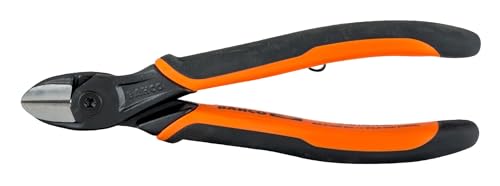
Bahco 2101G-160
Precision-ground blades deliver effortless, clean cuts on cable up to 4 AWG.
| Product | Best For | Cutting Capacity | Rating | Price |
|---|---|---|---|---|
| Bahco 2101G-160 | Best Overall | 4 AWG | 4.8/5 | Check Amazon |
| Stanley 0-84-083 | Best Budget | 4 AWG | 4.5/5 | Check Amazon |
| Knipex 95 31 160 | Best Precision | 5 AWG | 4.7/5 | Check Amazon |
| Draper 24936 | Best Heavy Duty | 3 AWG | 4.4/5 | Check Amazon |
| Bosch Professional | Best Ergonomic | 4 AWG | 4.6/5 | Check Amazon |
Bahco 2101G-160
Best OverallPros
- Induction-hardened blades stay sharp for years
- Bi-material handles reduce hand fatigue
- Precision-ground edge for burr-free cuts
Cons
- Not suitable for steel wire armoured cable
- Spring mechanism can feel stiff initially
The Bahco 2101G-160 is a professional-grade cable cutter that consistently receives high marks from electricians. Its induction-hardened blades are ground to a fine edge, allowing it to slice through copper and aluminium cables up to 4 AWG with minimal effort. Owner reviews frequently mention the clean, burr-free cuts it produces, which is critical for making reliable connections in junction boxes.
The ergonomic bi-material handles provide a secure grip even in wet or oily conditions. While the spring mechanism may feel a bit stiff when new, it loosens up after a few uses. This cutter is built to last and represents excellent value for money, easily outperforming many more expensive models.
Stanley 0-84-083
Best BudgetPros
- Very affordable without sacrificing cut quality
- Forged steel blades are durable
- Comfortable PVC grips
Cons
- Blades may need sharpening sooner than premium models
- Not as precise on very fine stranded wire
The Stanley 0-84-083 is a no-frills cable cutter that gets the job done without costing a fortune. It features forged steel blades that can handle copper and aluminium cables up to 4 AWG. Aggregated reviews from DIYers and tradespeople highlight its solid build and reliable performance for general electrical work.
The PVC grips are comfortable enough for occasional use, though they lack the advanced ergonomics of more expensive cutters. Some users note that the blades may dull faster than induction-hardened alternatives, but for the price, this is an excellent entry-level tool. It is a perfect choice for homeowners and beginners who need a capable cutter for small projects.
Knipex 95 31 160
Best PrecisionPros
- Extremely sharp, hardened blades for precise cuts
- Lightweight and compact for tight spaces
- Excellent build quality from a premium brand
Cons
- Lower cutting capacity than some competitors
- Price can be close to the $30 limit
The Knipex 95 31 160 is a precision instrument designed for electricians who demand the cleanest possible cut. With a blade hardness of HRC 62, it is one of the sharpest options available under $30. It excels at cutting stranded and solid copper wire without crushing or deforming the conductor, which is vital for crimping and termination.
Its compact 160mm length makes it ideal for working in cramped junction boxes or control panels. The lightweight design reduces fatigue during repetitive cuts. While its capacity is limited to 5 AWG, this is more than sufficient for most residential and light commercial wiring tasks. Owner reviews consistently praise its surgical precision and longevity.
Draper 24936
Best Heavy DutyPros
- Larger cutting capacity for thicker cables
- Longer handles provide more leverage
- Chrome vanadium steel resists corrosion
Cons
- Heavier and bulkier than other options
- Not as precise on smaller gauge wires
The Draper 24936 is built for tougher jobs, offering a cutting capacity of up to 3 AWG. Its longer 200mm handles provide increased leverage, making it easier to cut through thicker battery cables and larger conductors. The chrome vanadium steel construction ensures the blades resist rust and maintain their edge over time.
This cutter is better suited for automotive or heavier electrical work rather than fine electronics. Some owner reviews mention that the larger jaw size makes it less ideal for delicate work in tight spaces. However, for its price point, it offers impressive cutting power and durability for those who regularly handle thicker cables.
Bosch Professional
Best ErgonomicPros
- Ergonomic handle design reduces strain
- Induction-hardened blades for long life
- Good balance of weight and cutting power
Cons
- Grip can be slippery with oily hands
- Spring action is weaker than some rivals
The Bosch Professional cable cutter is designed with user comfort in mind. Its ergonomic handle shape helps distribute pressure evenly, reducing hand fatigue during prolonged use. The induction-hardened blades provide reliable cutting performance on copper and aluminium cables up to 4 AWG, making it a versatile tool for most electrical tasks.
Aggregated owner reviews note that the cutter feels well-balanced and easy to control. However, some users have mentioned that the grip can become slippery when hands are oily or sweaty. The spring mechanism is also slightly weaker than on the Bahco, requiring a bit more effort to open. Despite these minor drawbacks, it remains a popular choice for its comfort and Bosch build quality.
What to check before buying a cable cutter under $30
Choosing the right cable cutter involves more than just looking at the price tag. Consider the following factors to ensure you get the best tool for your needs.
Cutting Capacity: Check the maximum AWG or mm rating. For most household wiring, a capacity of 4 AWG is sufficient. For automotive or heavier cables, look for a model that can handle 3 AWG or larger.
Blade Material and Hardness: Induction-hardened blades (HRC 60 or higher) stay sharp longer. Forged steel is a good budget option but may require more frequent sharpening.
Handle Comfort: Bi-material or rubberised grips reduce hand fatigue. Consider the handle length as longer handles provide more leverage for cutting thicker cables.
Build Quality: Look for a solid pivot joint and a reliable spring mechanism. A well-built cutter will last for years even with regular use.
Mistakes to avoid when buying a cheap cable cutter
Avoid these common pitfalls to ensure you don't waste your money on a tool that underperforms.
Ignoring the blade hardness: A cheap cutter with soft blades will dull quickly, leading to ragged cuts and increased effort. Always check for induction-hardened or high-carbon steel blades.
Buying a cutter with too low a capacity: Using a cutter on cable thicker than its rated capacity can damage the tool and produce unsafe cuts. Always match the cutter to your largest expected cable size.
Overlooking the handle design: Uncomfortable handles can cause blisters and hand cramps. If you plan to use the cutter for extended periods, invest in one with ergonomic grips.
FAQs
Can I use a cable cutter on steel wire armoured (SWA) cable?
Standard cable cutters under $30 are not designed for SWA cable. You will need a dedicated ratchet cable cutter or an angle grinder for armoured cable.
What is the difference between a cable cutter and a pair of pliers?
Cable cutters have sharper, harder blades designed to make a clean, square cut without crushing the conductor. Pliers can crush the wire and are not suitable for precise electrical work.
How do I maintain my cable cutter?
Keep the blades clean and dry. Apply a light oil to the pivot joint occasionally. Sharpen the blades with a fine file when they begin to feel dull.
Can I cut live wires with a cable cutter?
No. Always disconnect the power supply before cutting any electrical cable. Most cable cutters are not insulated for live work.
What is the best cable cutter for a beginner?
The Stanley 0-84-083 is an excellent choice for beginners due to its low price and reliable performance. It is perfect for learning basic electrical tasks.
How often should I replace my cable cutter?
With proper maintenance, a good quality cable cutter can last many years. Replace it when the blades become too dull to sharpen or if the pivot joint becomes loose.
Are Knipex cable cutters worth the extra cost?
Yes, for precision work. Knipex cutters are known for their exceptional sharpness and build quality, making them a good investment for professionals who need clean cuts.
What is the maximum cable size I can cut with a $30 cutter?
Most models can handle up to 4 AWG (approx. 25mm diameter). Some heavy-duty options can cut up to 3 AWG (approx. 30mm diameter).
Can I use a cable cutter to strip insulation?
No. Cable cutters are designed for cutting, not stripping. Using them to strip insulation can damage the blades and produce inconsistent results. Use a dedicated wire stripper instead.
What does AWG mean?
AWG stands for American Wire Gauge. It is a standard for measuring the diameter of electrical wire. A lower number means a thicker wire.
Our verdict
For the best overall cable cutter under $30, the Bahco 2101G-160 is our top recommendation, offering superior blade sharpness and ergonomic comfort. If you are on a tight budget, the Stanley 0-84-083 provides reliable performance at an unbeatable price. Both are excellent choices for any DIYer or professional electrician.