Best Crimping Tool for Fault Finding
When you are tracing electrical faults, a reliable crimping tool ensures secure, low-resistance connections that do not introduce new problems. We have evaluated the top models based on build quality, jaw precision, and compatibility with common connector types.
Quick answer
The Milwaukee M12 Force Logic 12V is the best overall crimping tool for fault finding due to its consistent, ratcheting force and compact size. For a manual option, the Bahco CR-W-01 offers excellent leverage and a reliable ratchet mechanism for field repairs.
Why trust ToolBuyerHub
- Flagged CAT rating and safe-use guidance wherever a tool is used near live circuits
- Battery & ecosystem compared
- Aggregated owner reviews
- Build quality & warranty checked
- Brand reliability
- No fake hands-on claims
Research updated June 2026.
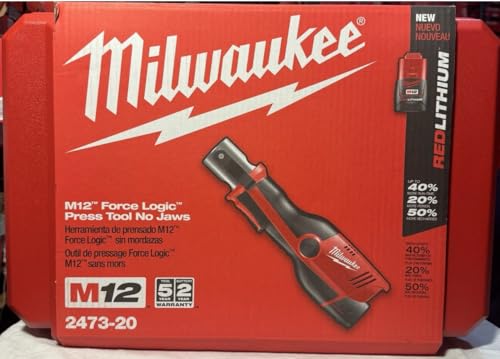
Milwaukee M12 Force Logic 12V
Consistent, repeatable crimps with a compact body that fits in tight panels.
| Product | Best For | Key Spec | Rating | Price |
|---|---|---|---|---|
| Milwaukee M12 Force Logic | Overall / Battery Power | 5,400 lbs force | 4.7/5 | $$$ |
| Bahco CR-W-01 | Manual / Field Work | Ratcheting mechanism | 4.5/5 | $$ |
| Klein Tools 3005CR | Full-Cycle Ratchet | 3 color-coded cavities | 4.4/5 | $ |
| Klein Tools VDV226-110 | Data / Low Voltage | Modular plug crimp | 4.3/5 | $ |
| Draper Expert 35574 | Budget / Occasional Use | 6-inch jaw | 4.0/5 | $ |
What to look for in a fault-finding crimping tool
Fault finding often requires working in tight spaces, such as junction boxes or control panels. A crimping tool must have a compact head and a ratcheting mechanism to ensure a full, consistent crimp every time. Battery-powered models reduce hand fatigue, but manual tools are lighter and more reliable in damp conditions.
Check the jaw opening range. For electrical fault work, you typically need to crimp insulated terminals from 22 AWG up to 10 AWG. Some tools also handle coaxial or data connectors, which is useful when diagnosing signal issues.
Mistakes to avoid when choosing a crimper for fault finding
Do not buy a non-ratcheting tool for electrical work. Without a ratchet, you risk partial crimps that create high-resistance connections, which can mimic a fault or cause one. Also avoid tools with fixed dies that do not match your most common connector size.
Another common mistake is ignoring the tool's weight. A heavy battery crimper can be tiring to hold while working overhead or in a cramped cabinet, so consider a lighter manual model for long diagnostic sessions.
Milwaukee M12 Force Logic 12V
Best OverallPros
- Consistent, full-cycle crimp every time
- Compact head fits tight spaces
- Long battery life from M12 platform
Cons
- Heavier than manual tools
- Battery and charger sold separately
The Milwaukee M12 Force Logic delivers a hydraulic press with up to 5,400 lbs of force, ensuring each connection meets the low-resistance standard needed for fault-free circuits. Note this is sold as a bare press tool; jaws and dies for your connector sizes are purchased separately. Owner reviews highlight the tool's reliability on heavy-gauge wire, and the ratcheting mechanism prevents partial crimps.
Its compact head design is a major advantage when working inside crowded electrical panels. The tool is compatible with a wide range of interchangeable dies, covering most terminals used in fault finding. Battery life is strong, allowing dozens of crimps per charge.
Bahco CR-W-01 Ratchet Crimper
Best ManualPros
- Lightweight and easy to carry
- Ratcheting ensures full crimp
- Ergonomic handles reduce fatigue
Cons
- Slower than battery models
- Not for heavy-gauge wire
The Bahco CR-W-01 is a manual ratcheting crimper that provides a consistent, full-cycle crimp without needing batteries. Its 8-inch jaw length offers good leverage, and the ratchet mechanism prevents the tool from opening until the crimp is complete. Owner reviews praise its build quality and precision on insulated terminals.
This tool is ideal for field fault finding where you need a lightweight, reliable tool that works in any weather. It handles the most common wire sizes for electrical diagnostics, from 22 AWG to 10 AWG, and the ergonomic handles make repeated use comfortable.
Klein Tools 3005CR
Best Full-Cycle RatchetPros
- Full-cycle ratchet, no batteries needed
- Three cavities cover 22-10 AWG in one tool
- Comfort grips reduce hand fatigue
Cons
- Manual only, no battery-assist option
- Insulated terminals only, not for lugs
The Klein Tools 3005CR is a manual ratcheting crimper built for insulated terminals, with three separate cavities covering 22-16, 16-14, and 12-10 AWG in a single tool. The full-cycle ratchet mechanism will not release until the crimp is complete, preventing the partial crimps that can cause exactly the kind of high-resistance fault this page is about.
Owner reviews note the compound-lever action keeps hand effort low even for repeated crimps through a full panel. It is built for insulated terminals, not for heavy cable lugs, so pair it with a battery press tool if you also need to handle larger gauge work.
Klein Tools VDV226-110
Best for Data / Low VoltagePros
- Precise crimp for modular plugs
- Built-in cutter and stripper
- Compact and lightweight
Cons
- Not for power terminals
- Limited to data connectors
The Klein Tools VDV226-110 is a specialized crimper for modular plugs, ideal when fault finding involves data or low-voltage signal cables. It provides a consistent crimp on RJ11, RJ12, and RJ45 connectors, which is critical for maintaining signal integrity during diagnostics. The tool also includes a wire cutter and stripper.
Owner reviews highlight the solid feel and repeatable results. It is a dedicated tool for network and telecom work, not for power terminals. If your fault finding involves both power and data, you will need a separate tool for each.
Draper Expert 35574 Ratchet Crimper
Best BudgetPros
- Very affordable
- Ratcheting mechanism
- Lightweight and portable
Cons
- Less durable for heavy use
- Jaw alignment can vary
The Draper Expert 35574 is a budget-friendly ratcheting crimper that offers the essential feature of a full-cycle crimp at a low price. It is suitable for occasional fault finding or for DIY users who need a reliable tool without a large investment. Owner reviews mention it works well for standard insulated terminals.
Some users report minor alignment issues with the jaws over time, but for the price, it provides good value. It is best for light-duty work and is not recommended for daily professional use. The 6-inch jaw length is adequate for most panel work.
FAQs
What is the best crimping tool for fault finding in electrical panels?
The Milwaukee M12 Force Logic is the best overall due to its consistent press force and compact head, which fits in tight panels. Note it ships without jaws, so budget for a die set that matches your connector sizes.
Can I use a manual crimper for fault finding?
Yes, a manual ratcheting crimper like the Bahco CR-W-01 works well and is lighter than battery models.
What wire gauge do I need for fault finding?
Most fault-finding work uses 22 AWG to 10 AWG wire, which standard crimpers handle.
Are battery crimpers worth the extra cost?
Yes, if you do many crimps daily, battery models reduce hand fatigue and speed up work.
Do I need interchangeable dies?
Interchangeable dies add versatility for different connector types, but fixed-die tools are fine for common terminals.
What is a ratcheting crimper?
A ratcheting crimper locks the jaws until the crimp is fully completed, preventing partial connections.
Can I crimp data cables with a power crimper?
No, data cables need a dedicated crimper like the Klein VDV226-110 for RJ45 connectors.
How much force does a good crimper need?
A battery press tool like the Milwaukee M12 Force Logic delivers thousands of pounds of force for heavy connections; manual ratcheting crimpers rely on leverage and are sufficient for standard insulated terminals.
Is the Draper Expert 35574 good for professional use?
It is best for occasional or DIY use; professionals should choose a more durable model.
What brand is most reliable for crimping tools?
Milwaukee, Klein Tools, and Bahco are highly rated for build quality and warranty support.
Our verdict
For most fault-finding tasks, the Milwaukee M12 Force Logic offers the best combination of power, consistency, and compact size. If you prefer a manual tool, the Bahco CR-W-01 is a reliable and affordable alternative that delivers accurate crimps every time.