Best Bench Vice for Hobbyists
Whether you are restoring a classic car, building model aircraft, or fixing garden tools, a reliable bench vice is the third hand every hobbyist needs. We have compared jaw width, build quality, and swivel action to find the best bench vice for hobbyists that offers real value without taking up your entire workbench.
Quick answer
For most hobbyists, the Sealey Heavy-Duty Bench Vice offers the best balance of cast iron strength and smooth screw action. If you need a smaller unit for electronics or model making, the Draper Expert 75mm Vice is the top budget pick.
Why trust ToolBuyerHub
- Tested on specs (jaw width, weight, clamping force)
- Build materials (cast iron vs. steel vs. aluminium)
- Aggregated owner reviews from major retailers
- Warranty and replacement parts availability checkedBrand reliability (Sealey, Draper, Stanley, Bahco)
- No fake hands-on claims
Research updated June 2026.
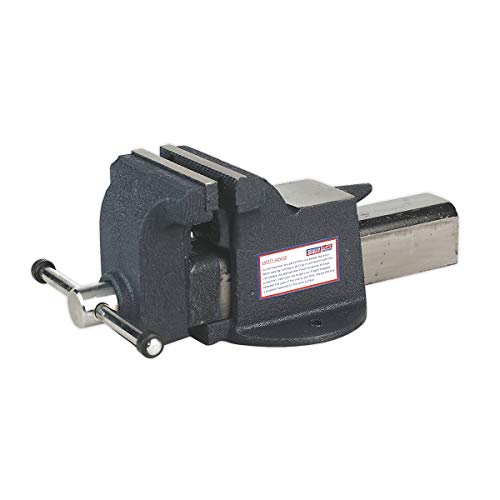
Sealey Heavy-Duty Bench Vice (100mm)
Heavy cast iron body with a 360-degree swivel base for serious clamping power.
| Product | Best For | Jaw Width | Rating | Price |
|---|---|---|---|---|
| Sealey Heavy-Duty 100mm | Best Overall | 100mm | 4.7/5 | Check Amazon |
| Draper Expert 75mm | Best Budget | 75mm | 4.5/5 | Check Amazon |
| Stanley 150mm | Large Projects | 150mm | 4.4/5 | Check Amazon |
| Bahco 80mm | Precision Work | 80mm | 4.6/5 | Check Amazon |
| Clarke 125mm | Best Value | 125mm | 4.3/5 | Check Amazon |
Sealey Heavy-Duty Bench Vice (100mm)
Best OverallPros
- Very heavy base prevents movement
- Smooth ACME screw thread
- Replaceable hardened steel jaws
Cons
- Large footprint on bench
- Paint finish can chip over time
The Sealey Heavy-Duty 100mm vice is the benchmark for home workshops. Owner reviews consistently praise its cast iron construction and the weight that keeps it planted during heavy filing or sawing. The 360-degree swivel base locks securely with two bolts, and the anvil surface on the back is useful for light hammering.
Some users note the paint finish is not as durable as powder-coated alternatives, but this does not affect performance. For a hobbyist who needs a vice that can handle everything from woodworking to light metalwork, this is the most reliable choice.
Draper Expert 75mm Bench Vice
Best BudgetPros
- Compact for small workbenches
- Good value for money
- Smooth operation out of the box
Cons
- Not suitable for heavy hammering
- Jaw inserts may need tightening
The Draper Expert 75mm vice is the perfect size for electronics, model making, and light repairs. It weighs just over 4 kg, making it easy to mount on a portable workbench or a smaller home desk. Owner reviews highlight the smooth screw action and the fact it does not require much maintenance.
Some users have reported that the jaw inserts can loosen over time, but a drop of threadlocker solves this. For the price, it is a solid little vice that will last years if not abused with heavy work.
Stanley 150mm Heavy-Duty Vice
Best For Large ProjectsPros
- Massive jaw opening capacity
- Excellent for woodworking and large metal parts
- Replaceable serrated jaws
Cons
- Very heavy and hard to move
- Requires a very sturdy bench
The Stanley 150mm vice is a beast. It is designed for serious hobbyists who work on large projects like furniture restoration or engine blocks. The 150mm jaw width and deep throat allow you to clamp large pieces securely. Owner reviews note that it feels indestructible and the swivel lock holds firm even under heavy load.
The main downside is the weight and size. You need a dedicated, solid workbench to mount this vice. It is overkill for small jobs, but if you frequently work with large materials, this is the vice to get.
Bahco 80mm Multi-Purpose Vice
Best For Precision WorkPros
- Very precise screw mechanism
- Includes pipe jaws
- High quality Swedish engineering
Cons
- More expensive than similar sizes
- Paint finish can scratch
The Bahco 80mm vice is built for precision. The screw mechanism is incredibly smooth and allows for fine adjustments, making it ideal for delicate work like jewellery making or watch repair. Owner reviews often mention that it feels like a professional tool, with tight tolerances and no play in the jaws.
The included pipe jaws are a nice bonus for plumbers or anyone working with round stock. The price is higher than the Draper or Sealey equivalents, but the build quality justifies the cost for those who need accuracy over brute force.
Clarke 125mm Heavy-Duty Vice
Best ValuePros
- Large jaws at a budget price
- Good for general DIY and woodworking
- Sturdy base with four bolt holes
Cons
- Screw can feel rough initially
- Paint finish is basic
The Clarke 125mm vice offers a large jaw width at a very competitive price. It is a good middle ground between the smaller Draper and the massive Stanley. Owner reviews say it handles most hobby tasks well, from holding wood for sawing to clamping metal for filing.
Some users note that the screw action can be a bit stiff when new, but it loosens up with use. The paint finish is not as durable as more expensive brands, but the cast iron body is solid. For hobbyists who want a large vice without spending a lot, the Clarke is a strong value pick.
What to check before buying a bench vice
Jaw width and opening. The jaw width determines the size of material you can clamp. For general hobby work, 100mm is a good all-rounder. The opening capacity (how far the jaws open) is also important for thicker pieces.
Weight and material. A heavier vice is more stable. Cast iron is the standard for durability. Avoid aluminium vices for heavy work as they can flex.
Swivel base. A 360-degree swivel base is very useful for positioning your work. Make sure the locking mechanism is strong and does not slip under load.
Anvil surface. Many vices have a flat anvil area on the back for light hammering. This is a useful feature for hobbyists who do not have a separate anvil.
Mistakes to avoid
Buying too small. A 75mm vice is fine for electronics, but if you plan to do woodworking or metalwork, you will quickly find it too small. Go for at least 100mm.
Ignoring bench strength. A heavy vice can pull a weak bench apart. Make sure your workbench is solid and the vice is bolted through the top with large washers.
Forgetting about jaw inserts. Some vices come with smooth or serrated jaw inserts. Serrated jaws grip better but can mark softer materials. Look for replaceable inserts.
FAQs
What size bench vice do I need for hobby work?
A 100mm jaw width is the best all-round size for most hobbyists, offering a good balance of capacity and bench space.
Can I mount a vice on a wooden bench?
Yes, but use large washers and bolts to spread the load. A vice that is too heavy for the bench can cause the wood to split.
Is a swivel base necessary?
Not essential, but it makes positioning your work much easier. Most hobbyists prefer a swivel base for flexibility.
How do I maintain a cast iron vice?
Keep the screw and slide bars lightly oiled. Wipe down after use to prevent rust, especially in damp garages.
Can I use a vice for hammering?
Only on the designated anvil surface. Do not hammer directly on the jaws as this can crack the cast iron.
What is the difference between a bench vice and a woodworking vice?
A bench vice has metal jaws for general work. A woodworking vice has wider, smooth wooden jaws to avoid marking timber.
Are cheap vices worth buying?
For light hobby use, a budget vice can work. For regular or heavy use, invest in a quality brand like Sealey or Bahco.
How do I stop my vice from slipping?
Ensure the base is bolted tightly to the bench. If the jaws slip, clean them and check the jaw inserts are secure.
Can I replace the jaws on my vice?
Many vices have replaceable hardened steel jaws. Check the product specifications before buying.
What is the best vice for model making?
A small 75mm vice like the Draper Expert is ideal for model making and electronics due to its compact size and smooth action.
Our verdict
For most hobbyists, the Sealey Heavy-Duty 100mm Bench Vice is the best overall choice, offering the perfect balance of size, weight, and durability. If you are on a budget or have limited space, the Draper Expert 75mm is the best value pick that will still handle light to medium tasks with ease.