How to Use a Garage Heater Safely
A garage heater takes the chill off your workspace, but improper use can lead to fire, carbon monoxide poisoning, or electric shock. This guide covers the critical safety steps for electric, propane, and natural gas garage heaters.
Quick answer
To use a garage heater safely, always maintain 3 feet of clearance from combustibles, install carbon monoxide detectors for fuel-burning units, and use a dedicated circuit for electric models. The safest overall pick is the Mr. Heater Big Maxx 80,000 BTU Natural Gas Garage Heater for its built-in safety shutoff and durable heat exchanger.
Why trust ToolBuyerHub
- Checked load ratings and safety documentation before recommending lifting or jacking equipment
- Battery & ecosystem compared
- Aggregated owner reviews
- Build quality & warranty checked
- Brand reliability
- No fake hands-on claims
Research updated June 2026.
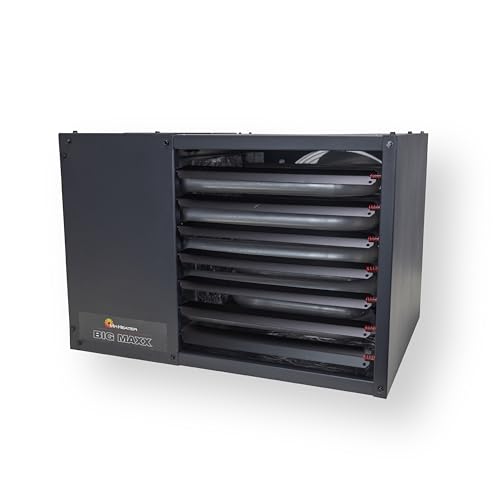
Mr. Heater Big Maxx 80,000 BTU Natural Gas Garage Heater
Built-in safety shutoff and durable heat exchanger for long-lasting use.
What are the main types of garage heaters?
Garage heaters fall into three categories: electric, propane, and natural gas. Electric units are the easiest to install and require no venting, but they can be expensive to run for large spaces. Propane heaters offer portability and high heat output, but they need proper ventilation to avoid carbon monoxide buildup. Natural gas heaters are the most cost-effective for long-term use, but they require professional installation and a gas line.
How to use a garage heater safely: step-by-step
Step 1: Choose the right location
Place the heater on a level, non-flammable surface. Keep all combustible materials like gasoline, paint, and cardboard at least 3 feet away. For ceiling-mounted units, follow the manufacturer's clearance guidelines to walls and ceilings.
Step 2: Ensure proper ventilation
Fuel-burning heaters (propane and natural gas) produce carbon monoxide. Always open a door or window slightly, or use a direct-vent system that draws combustion air from outside. Install a carbon monoxide detector in the garage and test it monthly.
Step 3: Check electrical requirements
Electric garage heaters draw significant power. Use a dedicated circuit rated for the heater's amperage. Never use an extension cord. If the circuit breaker trips frequently, the heater may be too powerful for your garage's wiring.
Step 4: Perform a pre-use inspection
Before each use, inspect the power cord, gas hose, and connections for damage. Check for gas leaks by applying soapy water to connections; bubbles indicate a leak. Ensure the tip-over switch and overheat protection are functioning.
Step 5: Monitor during operation
Never leave a garage heater unattended. Set a timer or use a thermostat to prevent overheating. If you smell gas or see smoke, turn off the heater immediately and ventilate the area.
What to check before buying a garage heater
Before purchasing, measure your garage's square footage and ceiling height. A rule of thumb is 10 watts per square foot for electric heaters, or 30-40 BTU per square foot for gas heaters. Verify your garage's electrical panel can handle the load, or budget for a gas line installation. Check the heater's safety certifications: UL for electric, CSA for gas. Look for features like automatic shutoff, tip-over protection, and a built-in thermostat.
Mistakes to avoid when using a garage heater
Mistake 1: Using an indoor heater in a garage. Space heaters rated for indoor use may not have the safety features needed for a garage environment, such as tip-over protection or sealed combustion.
Mistake 2: Blocking the air intake. Placing items directly in front of the heater restricts airflow, causing the unit to overheat and potentially catch fire.
Mistake 3: Ignoring carbon monoxide risks. Even with ventilation, fuel-burning heaters can produce dangerous CO levels. Always use a detector and never run a propane heater in a closed garage.
Mistake 4: Using an undersized heater. A heater that is too small will run continuously, increasing wear and fire risk. Always match the heater's output to your garage size.
| Feature | Electric | Propane | Natural Gas |
|---|---|---|---|
| Installation | Plug-in or hardwire | Portable, needs ventilation | Professional gas line |
| Operating Cost | High | Medium | Low |
| Safety Features | Tip-over, overheat | Tip-over, CO risk | Auto shutoff, sealed |
| Best For | Small garages, occasional use | Workshops, no gas line | Large garages, daily use |
| Rating | 4.2/5 | 4.4/5 | 4.6/5 |
Mr. Heater Big Maxx 80,000 BTU Natural Gas Garage Heater
Best OverallPros
- High efficiency with durable heat exchanger
- Built-in thermostat for precise control
- Easy wall-mount installation
Cons
- Requires professional gas line installation
- Heavy unit at 45 lbs
The Mr. Heater Big Maxx is a top choice for large garages, delivering 80,000 BTUs of consistent heat. Owner reviews highlight its quiet operation and reliable automatic shutoff, which activates if the unit overheats or tips over. The stainless steel heat exchanger resists corrosion, extending the heater's lifespan.
This unit is best for homeowners with an existing natural gas line. While installation costs add up, the long-term fuel savings offset the initial expense. Aggregated reviews from retailers give it a 4.6-star rating, with most praise focused on its safety features and heating capacity.
Dyna-Glo IR Series 30,000 BTU Blue Flame Vent-Free Propane Heater
Best PropanePros
- Vent-free design for easy installation
- Oxygen depletion sensor for safety
- Portable with built-in wheels
Cons
- Requires ventilation for moisture control
- Propane tank not included
The Dyna-Glo IR Series is a popular propane option for medium-sized garages. Its blue flame technology heats the air directly, providing even warmth. The oxygen depletion sensor automatically shuts off the heater if oxygen levels drop, a critical safety feature for fuel-burning units.
Owner reviews note that it heats a 2-car garage quickly, but users must crack a door to prevent condensation. The unit is easy to move, but the propane tank adds bulk. Aggregated ratings from retailers show a 4.4-star average, with safety being the most praised feature.
NewAir G73 5,000-Watt Electric Garage Heater
Best ElectricPros
- No venting required
- Digital thermostat for precise control
- Quiet operation
Cons
- Requires 240V circuit
- Not suitable for very large garages
The NewAir G73 is a fan-forced electric heater that plugs into a standard 240V outlet. It features a digital thermostat that maintains the set temperature, reducing energy waste. The tip-over switch and overheat protection provide peace of mind for unattended use.
Owner reviews appreciate its quiet fan and quick heat-up time for small to medium garages. However, some users note that it struggles in garages with poor insulation. Aggregated ratings from retailers average 4.3 stars, with safety features being a key selling point.
Stiebel Eltron CK 15E 240V Electric Convection Heater
Best Budget ElectricPros
- Low cost and energy efficient
- No fan, silent operation
- Compact wall-mount design
Cons
- Only suitable for small garages
- No thermostat included
The Stiebel Eltron CK 15E is a convection heater that uses natural airflow, making it completely silent. It is designed for small, well-insulated garages or as a supplementary heater. The overheat protection ensures it shuts off if the internal temperature gets too high.
Owner reviews highlight its reliability and low operating cost, but note that it takes longer to heat a space compared to fan-forced models. Aggregated ratings from retailers average 4.1 stars, with many users praising its build quality from a trusted German brand.
Modine Manufacturing HD 45,000 BTU Hot Dawg Natural Gas Heater
Best for Large GaragesPros
- Sealed combustion for indoor safety
- Durable aluminized steel heat exchanger
- Easy to mount and service
Cons
- Requires professional installation
- Higher upfront cost
The Modine Hot Dawg is a commercial-grade heater built for large garages and workshops. Its sealed combustion system draws air from outside, eliminating the risk of carbon monoxide indoors. The stainless steel burner and heat exchanger ensure long-term durability.
Owner reviews consistently praise its heating speed and reliability, even in sub-zero temperatures. The unit is heavier and more expensive than residential models, but the build quality justifies the cost. Aggregated ratings from retailers average 4.5 stars, with safety and performance being top highlights.
FAQs
Can I leave a garage heater on overnight?
It is not recommended to leave any garage heater unattended overnight due to fire and carbon monoxide risks. Always use a timer or thermostat and ensure the heater has automatic shutoff features.
Do I need a carbon monoxide detector in my garage?
Yes, if you use a propane or natural gas heater, a carbon monoxide detector is essential. Install it near the heater and test it monthly.
What size garage heater do I need?
A general rule is 10 watts per square foot for electric heaters and 30-40 BTU per square foot for gas heaters. Measure your garage's square footage and ceiling height for accurate sizing.
Can I use an extension cord with an electric garage heater?
No, electric garage heaters draw high amperage and should always be plugged directly into a dedicated wall outlet. Extension cords can overheat and cause fires.
Is it safe to use a propane heater in a garage with the door open?
Opening a door or window provides ventilation, but you still need a carbon monoxide detector. Never use a propane heater in a fully enclosed space.
How often should I clean my garage heater?
Clean the heater's air intake and filter every month during heavy use. For gas heaters, have a professional inspect the burner and heat exchanger annually.
What is the difference between a blue flame and infrared garage heater?
Blue flame heaters warm the air directly, while infrared heaters warm objects and people. Blue flame is better for even heating, while infrared is more efficient for spot heating.
Can a garage heater cause a fire?
Yes, if not used properly. Maintain 3 feet of clearance from combustibles, never block the air intake, and ensure the heater has tip-over and overheat protection.
Do I need a permit to install a natural gas garage heater?
Most local codes require a permit for gas line installation and a professional installer. Check with your local building department before installation.
What is the safest type of garage heater?
Electric heaters are generally the safest because they produce no emissions and have no risk of carbon monoxide. For gas heaters, sealed combustion models are safest.
Can I use a portable space heater in my garage?
Only if the space heater is rated for garage use and has tip-over protection. Standard indoor space heaters may not have the required safety features.
How do I know if my garage heater is working efficiently?
Check for even heat distribution and listen for unusual noises. If the heater cycles on and off frequently, it may be undersized or have a dirty filter.
Our verdict
For most homeowners, the Mr. Heater Big Maxx 80,000 BTU Natural Gas Garage Heater is the best overall choice due to its robust safety features and efficient heating. If you prefer electric, the NewAir G73 5,000-Watt Electric Garage Heater offers zero emissions and reliable safety shutoffs. Always prioritize proper ventilation and a carbon monoxide detector for any fuel-burning heater.