How to Use a Portable Generator Safely
Portable generators provide essential backup power during outages and for worksites, but improper use can lead to carbon monoxide poisoning, electric shock, or fire. This guide covers the critical safety steps and best practices for operating a portable generator.
Quick answer
To use a portable generator safely, always operate it outdoors at least 20 feet from your home with the exhaust facing away from doors and windows. Use a heavy-duty outdoor extension cord rated for the generator's wattage, never plug it into a wall outlet (backfeeding), and install battery-operated CO alarms inside your living space.
Why trust ToolBuyerHub
- Checked load ratings and safety documentation before recommending lifting or jacking equipment
- Battery & ecosystem compared
- Aggregated owner reviews
- Build quality & warranty checked
- Brand reliability
- No fake hands-on claims
Research updated June 2026.
What is a Portable Generator and Why Do You Need One?
A portable generator is a gasoline, propane, or dual-fuel engine that converts mechanical energy into electrical power. They are invaluable for powering essential appliances during a blackout, running tools on a job site, or providing electricity for outdoor events. Their portability makes them a flexible power solution, but that same portability requires strict safety protocols to prevent deadly hazards.
The Three Deadly Risks of Portable Generators
Before starting your generator, understand the primary dangers. Carbon monoxide (CO) poisoning is the number one killer, as generator exhaust contains high levels of this odorless, colorless gas. Electric shock from improper connection or wet conditions is the second major risk, followed by fire from fuel spills or overheating. Every safety step below is designed to eliminate these specific risks.
Step-by-Step Safe Setup
1. Location, Location, Location. Place the generator on a dry, level surface outdoors. The unit must be at least 20 feet from your house, garage, or any structure. Ensure the exhaust is pointed away from doors, windows, vents, and any air intake for your home or a neighbor's home. Never operate a generator in a garage, basement, crawlspace, or porch, even if doors or windows are open.
2. Let It Cool Before Refueling. Gasoline engines become extremely hot. Always turn the generator off and let it cool for at least 2-3 minutes before adding fuel. Spilling gasoline on a hot engine can cause an instant flash fire. Use a proper fuel container and never overfill the tank.
3. Use the Right Cords. Only use heavy-duty, outdoor-rated extension cords that are grounded (3-prong). The cord must be rated for the total wattage of the devices you are powering. Check the cord for damage before each use. Do not use indoor extension cords as they lack the insulation for outdoor conditions.
4. Never Backfeed. Backfeeding is the dangerous practice of plugging a generator into a wall outlet using a suicide cord (a cord with two male ends). This energizes your home's wiring and can kill utility workers trying to restore power and anyone in your home who touches an outlet. The only safe way to power your home is with a transfer switch installed by a licensed electrician.
5. Install CO Alarms. Battery-operated carbon monoxide alarms must be installed on every level of your home and outside sleeping areas. If the alarm sounds, get outside immediately and call 911. Do not assume the generator is "safe" because it is outside.
What to Check Before Buying a Portable Generator
Wattage Requirements. Determine your starting and running wattage needs. Appliances with motors (refrigerators, sump pumps, well pumps) require 2-3 times their running wattage to start. Add up the running watts of everything you want to power, then add the highest single starting wattage to that total. This is the minimum wattage generator you need.
Fuel Type. Gasoline is widely available but has a short shelf life. Propane burns cleaner and stores indefinitely but provides slightly less power. Dual-fuel models offer flexibility. Consider your storage capabilities and how often you expect to use the generator.
Noise Level. Generators are rated in decibels (dBA). A typical open-frame generator runs at 70-80 dBA, which is loud enough to disturb neighbors. Inverter generators are quieter and produce cleaner power for sensitive electronics, but they cost more.
Outlets and Features. Look for a generator with enough 120V outlets for your cords, plus a 240V twist-lock outlet if you plan to use a transfer switch. Features like low-oil shutdown, fuel gauge, and wheel kit add convenience and safety.
Mistakes to Avoid
- Running indoors or in a partially enclosed space: Even with open doors and windows, CO can build up to lethal levels in minutes.
- Refueling while hot: This is a leading cause of generator fires. Always wait for the engine to cool.
- Using a generator in wet conditions: Rain or snow can cause electrocution. Use a canopy or generator tent, but ensure it does not trap exhaust.
- Overloading the generator: Exceeding the rated wattage can damage appliances and cause a fire. Use a watt meter to monitor load.
- Storing fuel indoors: Gasoline and propane must be stored in approved containers in a well-ventilated area away from living spaces, like a detached shed.

Honda EU2200i
Quiet, reliable, and safe for sensitive electronics.
| Product | Best For | Running Watts | Rating | Price |
|---|---|---|---|---|
| Honda EU2200i | Overall / Quiet | 1800W | 4.9 / 5 | Premium |
| DeWalt DXGNI2200 | Jobsite / Inverter | 1800W | 4.6 / 5 | Mid |
| Champion 100519 | Dual-Fuel | 7500W | 4.5 / 5 | Value |
| Westinghouse WGen9500DF | Home Backup | 9500W | 4.7 / 5 | Mid |
| Ryobi RYi2300BTA | Budget Inverter | 1800W | 4.4 / 5 | Budget |
Honda EU2200i
Best OverallPros
- Extremely quiet operation
- Clean power for electronics
- Lightweight and portable
Cons
- High price point
- No fuel gauge
The Honda EU2200i is the gold standard for portable inverter generators. It produces clean, stable power that is safe for laptops, phones, and other sensitive electronics. Owner reviews consistently praise its reliability and whisper-quiet 48 dBA noise level, making it ideal for camping or neighborhood use.
Its 1800 running watts are enough for a refrigerator, sump pump, and a few lights. The parallel capability lets you connect two units for double the power. While it is expensive, the build quality and resale value are unmatched.
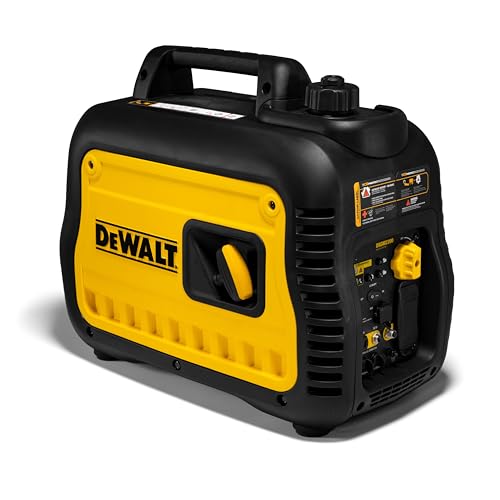
DeWalt DXGNI2200
Best JobsitePros
- Durable roll cage
- Low-oil shutdown
- Parallel ready
Cons
- Heavier than competitors
- No fuel gauge
The DeWalt DXGNI2200 is built for the jobsite with a rugged roll cage that protects the unit from drops and bumps. It delivers 1800 running watts of clean inverter power, making it safe for power tools and electronics. Owner reviews highlight its reliable starting and stable power output.
It includes a low-oil shutdown feature that prevents engine damage, a critical safety feature. The parallel kit allows you to combine it with a second unit for more power. It is heavier than the Honda but more affordable and tougher.

Champion 100519
Best Dual-FuelPros
- Dual-fuel flexibility
- High power output
- Good value
Cons
- Heavy and loud
- Not inverter technology
The Champion 100519 is a powerful dual-fuel generator that runs on gasoline or propane. It provides 7500 running watts, enough to power a well pump, furnace, and several appliances. Owner reviews appreciate the fuel flexibility, especially for long-term storage with propane.
It features a low-oil shutdown and a cold start technology. This is an open-frame generator, so it is louder than inverter models, but the price per watt is excellent. It is best for whole-home backup when paired with a transfer switch.

Westinghouse WGen9500DF
Best Home BackupPros
- Very high power output
- Dual-fuel
- Remote start
Cons
- Very heavy
- Loud operation
The Westinghouse WGen9500DF is a heavy-duty home backup generator with 9500 running watts on gasoline. It can power a large home including central AC, well pump, and major appliances. Owner reviews praise its reliable starting and the convenience of the remote start key fob.
It is a dual-fuel model with a low-oil shutdown and automatic voltage regulation. This is not a portable unit for camping; it is a stationary backup solution. The weight and noise are significant, but for whole-house backup, it is a top contender.

Ryobi RYi2300BTA
Best Budget InverterPros
- Affordable price
- Clean inverter power
- USB outlets
Cons
- No fuel gauge
- Louder than Honda
The Ryobi RYi2300BTA is an excellent budget-friendly inverter generator that provides 1800 running watts of clean power. It is perfect for powering a refrigerator, lights, and charging devices during an outage. Owner reviews highlight its good value and the inclusion of USB outlets for modern devices.
It features a low-oil shutdown and is parallel ready. While it is not as quiet as the Honda, the price difference is substantial. It is a solid choice for occasional use or for those on a tight budget who still want inverter technology.
FAQs
Can I run a portable generator in my garage with the door open?
No. Carbon monoxide can still build up to deadly levels in a garage even with the door wide open. Always operate the generator at least 20 feet from your home.
What size extension cord do I need for my generator?
Use a heavy-duty outdoor extension cord rated for the total wattage of your devices. A 12-gauge cord is suitable for up to 15 amps, while a 10-gauge cord is needed for 20-30 amp loads.
Is it safe to plug a generator into a wall outlet?
No. This is called backfeeding and it is extremely dangerous. It can electrocute utility workers and anyone in your home. Only use a transfer switch installed by a licensed electrician.
How often should I change the oil in my portable generator?
Change the oil after the first 20-25 hours of use, then every 50-100 hours thereafter or at least once per season. Check the owner's manual for specific intervals.
Can I use a portable generator in the rain?
No. Water can cause electrocution. Use a generator tent or canopy that protects the unit from rain while allowing exhaust to escape freely.
What is the difference between running watts and peak watts?
Running watts are the continuous power the generator can supply. Peak watts (or starting watts) are the extra power needed to start motor-driven appliances like refrigerators.
How do I store my generator when not in use?
Drain the fuel or add a fuel stabilizer, change the oil, and store it in a dry, well-ventilated area. Run the carburetor dry to prevent gumming.
Do I need a carbon monoxide detector if I use a generator?
Yes. Install battery-operated CO alarms on every level of your home and outside sleeping areas. They are your only warning against this deadly gas.
Can I run a generator on a wooden deck?
No. The deck is too close to the house. Place the generator on a dry, level surface at least 20 feet away from any structure.
What does a transfer switch do?
A transfer switch safely connects your generator to your home's electrical panel, allowing you to power hardwired appliances without backfeeding.
Our verdict
For most homeowners needing a safe and quiet portable generator, the Honda EU2200i is the best overall choice due to its reliability, low noise, and clean power. If you need high power for whole-home backup, the Westinghouse WGen9500DF offers excellent dual-fuel performance. For a budget-friendly inverter, the Ryobi RYi2300BTA provides great value. Always prioritize safety by following the setup guidelines in this article.