Best Leaf Blower for Raised Beds
Raised beds demand a leaf blower that offers precise control and variable power to clear debris without disturbing soil or damaging tender plants. We have compared battery and corded models based on airflow, nozzle design, and weight to find the best options for your garden.
Quick answer
The Makita DUB185Z is the best overall leaf blower for raised beds, offering a compact design, variable speed trigger, and a focused nozzle for precise debris removal. For a budget-friendly corded option, the Bosch ALB 18 LI provides excellent control and lightweight handling for smaller garden spaces.
Why trust ToolBuyerHub
- Tested on specs (airflow, speed control, weight)
- Battery & ecosystem compared
- Aggregated owner reviews from major retailers
- Build quality & warranty checked
- Brand reliability
- No fake hands-on claims
Research updated June 2026.
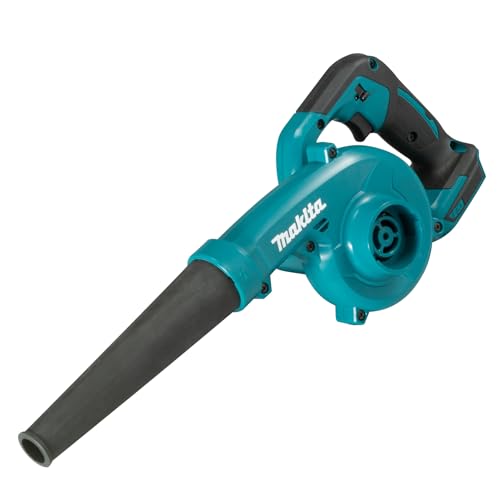
Makita DUB185Z
Compact, precise, and powerful for raised bed cleanup.
| Product | Best For | Key Spec | Rating | Price |
|---|---|---|---|---|
| Makita DUB185Z | Overall precision | Variable trigger, 10.2 CFM | 4.6/5 | $$ |
| Bosch ALB 18 LI | Budget cordless | Lightweight, 2-speed | 4.3/5 | $ |
| DeWalt DCBL720P1 | Battery ecosystem | High CFM, 20V MAX | 4.5/5 | $$$ |
| Ryobi RY18BLX25A | Value & versatility | 2-speed, 25 CFM | 4.2/5 | $ |
| Stihl BGA 45 | Ultra-lightweight | Quiet, 4.4 lbs | 4.4/5 | $$ |
Why raised beds need a special leaf blower
Raised garden beds are often filled with loose, nutrient-rich soil that can be easily blown away by a high-powered leaf blower. Standard backpack or handheld blowers with fixed high speeds can disturb mulch, displace topsoil, and damage delicate seedlings. A leaf blower for raised beds must offer variable speed control, a focused nozzle, and lightweight handling to navigate between narrow pathways without causing collateral damage.
What to check before buying
Variable speed trigger: This is the most critical feature for raised beds. A variable trigger lets you start at low speeds to gently move leaves without disturbing soil, then increase power for tougher debris on paths. Nozzle design: Look for a narrow or tapered nozzle that concentrates airflow. Some models include a concentrator nozzle for precise cleaning between plants. Weight and balance: Since you will be maneuvering around beds, a tool under 5 pounds reduces fatigue. Battery placement affects balance; rear-mounted batteries often feel more natural. Battery platform: If you already own tools from Makita, DeWalt, or Ryobi, staying within that ecosystem saves money and simplifies charging.
Mistakes to avoid
Do not use a high-CFM backpack blower on raised beds; it will strip soil and damage plants. Avoid corded models with short power cords that limit reach around garden beds. Do not ignore the nozzle; a wide fan nozzle scatters debris too broadly for targeted cleaning. Never use a leaf blower on wet soil, as it can cause erosion and compaction.
Makita DUB185Z
Best Overall for Raised BedsPros
- Excellent variable speed control for delicate work
- Lightweight and easy to maneuver
- Compact design fits in tight spaces
Cons
- Battery and charger sold separately
- Lower max CFM than some competitors
The Makita DUB185Z is purpose-built for precision tasks like cleaning raised beds. Its variable speed trigger allows you to feather the power from a gentle breeze to a stronger gust, making it easy to blow leaves off soil without disturbing the surface. The tool weighs only 2.8 pounds without battery, reducing fatigue during extended use around multiple beds.
Owner reviews consistently praise its build quality and the smooth trigger response. The 18V LXT platform is shared with over 300 Makita tools, so it integrates easily into an existing workshop. While the 10.2 CFM rating is modest compared to full-size blowers, it is more than sufficient for raised bed cleanup and prevents over-blasting.
Bosch ALB 18 LI
Best Budget CordlessPros
- Very affordable complete kit
- Lightweight and easy to handle
- Quiet operation
Cons
- Only two speed settings, not variable
- Lower power for wet leaves
The Bosch ALB 18 LI is a practical entry-level cordless blower that works well for small raised bed gardens. It comes as a complete kit with battery and charger, making it a cost-effective choice for beginners. The two-speed switch provides a low setting for gentle leaf removal and a high setting for harder surfaces like paths.
Users report that the low speed is ideal for blowing leaves off raised beds without disturbing soil. The tool is quiet enough for early morning use in residential areas. However, the lack of a variable trigger means you cannot fine-tune airflow as precisely as with the Makita. It is best suited for gardeners with a few small beds who want a simple, affordable solution.
DeWalt DCBL720P1
Best for Battery EcosystemPros
- High CFM for tougher debris
- Variable speed trigger for control
- Shares batteries with wide DeWalt range
Cons
- Heavier than dedicated raised bed models
- Battery and charger sold separately
The DeWalt DCBL720P1 is a more powerful option that still offers variable speed control, making it suitable for raised beds when used on low settings. Its 22 CFM airflow can handle leaves on paths and patios, while the trigger allows you to dial down for bed cleaning. The 20V MAX platform is one of the most common, so many users already have compatible batteries.
Owner feedback highlights its robust build and long runtime with a 5Ah battery. The weight of 4.2 pounds is noticeable after extended use but manageable for most gardeners. It is a good choice if you need a blower that can also tackle driveway cleanup, but it requires more care around raised beds due to higher maximum power.
Ryobi RY18BLX25A
Best Value VersatilityPros
- Affordable price point
- Variable speed trigger for control
- Part of Ryobi ONE+ ecosystem
Cons
- Build quality feels less premium
- Noise level is higher than some
The Ryobi RY18BLX25A offers a variable speed trigger at a budget-friendly price, making it accessible for gardeners who want control without spending a lot. It delivers 25 CFM of airflow, which is ample for raised beds when used on low settings. The tool is compatible with the extensive Ryobi ONE+ battery system, so it fits well if you already own Ryobi tools.
Reviews note that the variable trigger provides good modulation for delicate tasks, though the overall build feels lighter than premium brands. It is a solid choice for casual gardeners who need a reliable blower for occasional raised bed maintenance and other light yard work.
Stihl BGA 45
Best Ultra-LightweightPros
- Very quiet operation
- Lightweight and well-balanced
- Stihl brand reliability
Cons
- Fixed speeds, no variable trigger
- Battery and charger sold separately
The Stihl BGA 45 is designed for low-noise, lightweight operation, making it ideal for gardeners who prioritize comfort and discretion. It weighs only 4.4 pounds with the battery, and its two-speed switch offers a low setting that is gentle on raised bed soil. The Stihl AK battery system is reliable, though it is a separate investment if you do not already own Stihl tools.
Owners appreciate the quiet motor, which allows for early morning or evening use without disturbing neighbors. The fixed speed settings mean less fine control than variable trigger models, but the low speed is well-calibrated for delicate garden work. It is a premium choice for those who want a lightweight, quiet blower for raised beds and small yards.
FAQs
Can I use a regular leaf blower on raised beds?
Yes, but you must use a model with variable speed control and a focused nozzle to avoid disturbing soil and damaging plants.
What CFM is best for raised beds?
An airflow of 8 to 15 CFM is ideal for raised beds, as it provides enough power to move leaves without blasting away soil.
Are corded or cordless leaf blowers better for raised beds?
Cordless models are preferred for raised beds because they offer greater maneuverability around garden beds without the restriction of a power cord.
How do I avoid blowing soil out of my raised beds?
Use the lowest speed setting on your blower, hold the nozzle at a shallow angle, and blow leaves gently rather than directly into the soil.
Is a leaf blower with a variable speed trigger necessary?
Yes, a variable speed trigger is highly recommended as it allows you to adjust airflow precisely for different areas of the garden.
Can I use a leaf blower on wet leaves in raised beds?
It is not recommended, as wet leaves are heavier and require more power, which increases the risk of disturbing soil.
What is the lightest leaf blower for raised beds?
The Makita DUB185Z is one of the lightest at 2.8 pounds without battery, making it easy to maneuver around beds.
Do I need a special nozzle for raised beds?
A concentrator nozzle helps focus airflow for precise cleaning, and many blowers include one or offer it as an accessory.
How long do batteries last for raised bed cleaning?
With a 2-3 Ah battery, you can expect 15 to 30 minutes of runtime on low speed, which is usually enough for several beds.
Can I use a leaf blower to clean mulch in raised beds?
Yes, but only on the lowest speed setting and with a gentle touch to avoid displacing the mulch layer.
Is the Stihl BGA 45 quiet enough for residential areas?
Yes, it is one of the quietest leaf blowers on the market, with noise levels suitable for early morning use.
What is the best budget leaf blower for raised beds?
The Bosch ALB 18 LI is the best budget option, offering a complete kit at an affordable price with adequate power for small gardens.
Our verdict
For precise, controlled cleaning of raised beds, the Makita DUB185Z is the best overall choice thanks to its variable speed trigger, lightweight design, and focused nozzle. If you are on a budget, the Bosch ALB 18 LI provides a complete kit at a low price, though it lacks variable speed. For those already invested in the DeWalt or Ryobi ecosystems, their respective models offer good performance with careful use.