How to Use a Garden Hose Safely
Using a garden hose seems straightforward, but improper handling can lead to water waste, property damage, or personal injury. This guide covers the essential safety practices for using a garden hose, from preventing slips to avoiding backflow contamination.
Quick answer
To use a garden hose safely, always attach a shut-off valve, never leave a pressurized hose unattended, drain it completely after use, and store it away from tripping hazards. The most reliable option for safe use is the Flexzilla Garden Hose due to its kink-resistant, lightweight design and durable aluminum fittings.
Why trust ToolBuyerHub
- Flagged chemical-compatibility and safe-handling guidance for sprayer and shredder equipment
- Battery & ecosystem compared
- Aggregated owner reviews
- Build quality & warranty checked
- Brand reliability
- No fake hands-on claims
Research updated June 2026.
What are the main risks when using a garden hose?
The most common hazards include tripping over hoses stretched across walkways, water damage from burst fittings, and injuries from high-pressure spray. Backflow contamination is a hidden risk where water from a hose can siphon back into your home's drinking water supply if a proper vacuum breaker is not installed.
How do you prevent tripping hazards with a garden hose?
Position the hose along the edge of your lawn or garden beds, not across pathways or driveways. Use a hose guide or ramp to protect the hose and create a low-profile crossing. Never run a hose across a public sidewalk without a safety ramp, as this creates a liability for pedestrians.
What is backflow and how do you prevent it?
Backflow occurs when water from your hose, which may contain fertilizer, pesticides, or bacteria, flows backward into your home's plumbing. Install a hose bibb vacuum breaker (backflow preventer) on your outdoor spigot. This simple brass or plastic device costs little and is required by many local plumbing codes.
How do you safely connect and disconnect a garden hose?
Turn off the water supply at the spigot before connecting or disconnecting a hose. Release any residual pressure by squeezing the nozzle trigger or opening the end of the hose away from your face. Hand-tighten fittings only; using pliers can damage the threads and cause leaks.
What is the safest way to store a garden hose?
Drain all water from the hose before storage to prevent mold, mildew, and freezing damage. Coil the hose loosely on a hose reel or hanger, keeping it off the ground to avoid UV damage and pest nesting. Never store a pressurized hose, as temperature changes can cause it to burst.
How do you avoid burns from a hot garden hose?
Water sitting in a hose under direct sunlight can reach scalding temperatures. Let the water run for 30 seconds before using it on plants, pets, or people. Never drink from a garden hose, as the materials can leach chemicals like lead and phthalates into the water.
What safety features should you look for in a garden hose?
Look for hoses with crush-resistant brass fittings, a kink-resistant design, and a lead-free certification. A shut-off valve at the nozzle gives you control without running back to the spigot. Rubber or hybrid polymer hoses are more durable and less likely to burst than vinyl hoses.
What to check before buying a garden hose for safety
- Material: Rubber or hybrid polymer is safer and more durable than vinyl.
- Fittings: Solid brass fittings resist corrosion and are less likely to leak.
- Length: Buy the shortest length you need to reduce tripping hazards.
- Certification: Look for NSF/ANSI 61 or lead-free certification for drinking water safety.
- Nozzle: Choose a nozzle with a lock-on feature and a comfortable grip.
Mistakes to avoid when using a garden hose
- Leaving the hose pressurized: Always shut off the water at the spigot after use.
- Dragging the hose over sharp edges: This can damage the outer layer and cause bursts.
- Using a damaged hose: Replace hoses with cracks, bulges, or leaking fittings immediately.
- Connecting multiple hoses: This increases pressure drop and the risk of leaks at connections.
- Storing a wet hose in a closed container: This promotes mold and bacteria growth.
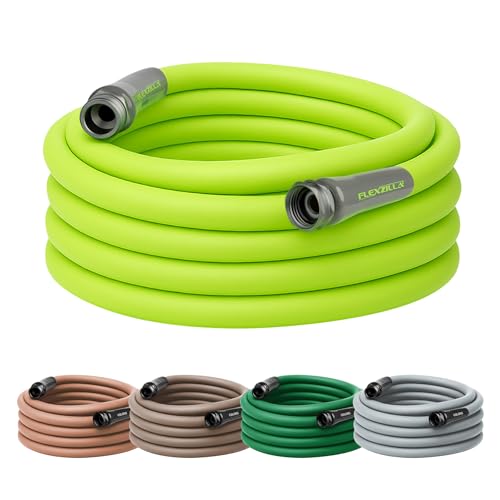
Flexzilla Garden Hose 5/8 in. x 50 ft.
Kink-resistant, lightweight, and safe for drinking water with durable aluminum fittings.
| Product | Best for | Material | Fittings | Rating |
|---|---|---|---|---|
| Flexzilla 5/8 in. x 50 ft. | Overall Safety | Hybrid Polymer | Aluminum | 4.6 / 5 |
| Continental 5/8 in. x 50 ft. | Durability | Rubber | Brass | 4.5 / 5 |
| Gilmour 5/8 in. x 50 ft. | Kink Resistance | Rubber | Brass | 4.4 / 5 |
| Zero-G 5/8 in. x 50 ft. | Lightweight | Polyurethane | Brass | 4.3 / 5 |
| Teknor Apex 5/8 in. x 50 ft. | Value | Vinyl | Brass | 4.2 / 5 |
Flexzilla Garden Hose 5/8 in. x 50 ft.
Best OverallPros
- Kink-resistant design for consistent flow
- Lightweight at only 7 lbs for 50 ft.
- Lead-free and safe for drinking water
Cons
- Aluminum fittings can corrode in saltwater
- Not as abrasion-resistant as rubber
The Flexzilla is widely cited by owner reviews for its exceptional kink resistance and flexibility even in cold weather. Its hybrid polymer construction is lighter than rubber but more durable than vinyl, making it easy to coil and store without stress on the fittings.
Safety-wise, the hose is certified lead-free and the aluminum fittings are crush-resistant. The bright green color also improves visibility, reducing tripping hazards in the garden. It is the top recommendation for general safe use.
Continental 5/8 in. x 50 ft. Rubber Garden Hose
Best DurabilityPros
- Extremely durable and abrasion-resistant
- Solid brass fittings for leak-free connections
- Handles high water pressure safely
Cons
- Heavier than polymer hoses
- Can kink if not stored properly
The Continental rubber hose is a heavy-duty option that holds up well against punctures and UV damage. Owner reviews consistently note its long lifespan and ability to withstand being dragged over rough surfaces without leaking.
For safety, the brass fittings are corrosion-resistant and provide a secure seal. The hose is heavier, which can be a tripping hazard if left across a path, but its durability makes it a safe choice for high-traffic garden areas.
Gilmour 5/8 in. x 50 ft. Pro Garden Hose
Best Kink ResistancePros
- Heavy-duty rubber with excellent kink resistance
- Brass fittings with a 10-year warranty
- Stays flexible in cold weather
Cons
- Expensive compared to vinyl options
- Heavy and stiff when new
The Gilmour Pro hose is built with a thick rubber wall that resists kinking even when bent sharply. Owner reviews highlight its reliability and the peace of mind from the long warranty, which suggests confidence in the product's safety.
Its weight is a downside for portability, but the robust construction means fewer leaks and bursts. The brass fittings are lead-free and provide a secure connection to prevent accidental disconnection under pressure.
Zero-G 5/8 in. x 50 ft. Garden Hose
Best LightweightPros
- Extremely lightweight at 4.5 lbs
- Kink-resistant and easy to coil
- Brass fittings for durability
Cons
- Can develop pinhole leaks over time
- Not as abrasion-resistant as rubber
The Zero-G hose is made from a polyurethane material that is significantly lighter than rubber or vinyl. This reduces the physical strain of moving the hose and makes it easier to store, lowering the risk of tripping over a heavy coil.
Owner reviews appreciate its flexibility and lack of kinks, but some report issues with durability after a few seasons. For safety, the lightweight nature is a clear advantage for users with limited strength or mobility.
Teknor Apex 5/8 in. x 50 ft. Garden Hose
Best ValuePros
- Affordable price point
- Brass fittings for reliable connections
- Lightweight and easy to handle
Cons
- Vinyl is less durable than rubber
- Prone to kinking and UV damage
The Teknor Apex is a budget-friendly vinyl hose that still uses solid brass fittings for safety. It is a good entry-level option for light use, such as watering small gardens or washing cars, where the hose is not subjected to heavy wear.
Owner reviews note that it is prone to kinking and may not last as long as rubber hoses. For safety, the brass fittings are a plus, but the vinyl material can degrade in direct sunlight, increasing the risk of bursts over time.
FAQs
Can I drink water from a garden hose?
No, most garden hoses are not certified for drinking water and can leach chemicals like lead and phthalates. Only use hoses labeled as safe for drinking water or NSF/ANSI 61 certified.
How do I prevent my garden hose from freezing?
Drain the hose completely and disconnect it from the spigot before freezing temperatures. Store it indoors or in a heated garage to prevent ice damage.
What is a hose bibb vacuum breaker?
It is a device that screws onto your outdoor spigot to prevent backflow of contaminated water into your home's plumbing. It is required by many building codes for safety.
How often should I replace my garden hose?
Replace a hose when you see cracks, bulges, or leaks that cannot be repaired. A well-maintained rubber hose can last 5-10 years, while vinyl hoses may need replacement every 2-3 years.
Is it safe to leave a garden hose connected to the spigot?
It is not recommended as it can cause pressure buildup and damage the spigot or hose. Always disconnect the hose and shut off the water at the spigot after use.
What size garden hose is safest for high pressure?
A 5/8-inch diameter hose is the standard for most home use and can handle typical household water pressure safely. A 3/4-inch hose is better for high-flow applications but is heavier.
Can I use a garden hose with hot water?
Only if the hose is specifically rated for hot water use. Standard garden hoses can melt or burst when exposed to water above 120 degrees Fahrenheit.
How do I fix a leaking garden hose fitting?
Replace the rubber washer inside the female fitting. If the fitting itself is cracked or corroded, cut the hose and install a new fitting using a hose repair kit.
What is the best way to coil a garden hose for storage?
Lay the hose flat, then coil it in large loops to prevent kinks. Use a hose reel or hanger to keep it off the ground and reduce tripping hazards.
Are expandable hoses safe to use?
Expandable hoses are generally safe but can burst if left pressurized in direct sunlight. They are also less durable than traditional rubber or polymer hoses.
How do I clean a garden hose?
Flush the hose with clean water after each use. For deeper cleaning, use a mild soap solution and a brush, then rinse thoroughly. Avoid harsh chemicals.
Can I use a garden hose with a pressure washer?
Yes, but ensure the hose is rated for the pressure washer's output. A standard garden hose can be used as a supply line, but a high-pressure hose is needed for the washer's output.
Our verdict
For safe garden hose use, the Flexzilla Garden Hose is the best overall choice due to its kink-resistant, lightweight design and lead-free certification. For a budget-friendly option that still prioritizes safety, the Teknor Apex offers solid brass fittings at a lower price, though it is less durable. Always pair your hose with a backflow preventer and shut-off valve for maximum safety.