How to Use a Pressure Sprayer Safely
Pressure sprayers are essential for applying weedkillers, fertilisers, and pest controls, but misuse can lead to chemical exposure or equipment damage. This guide covers the safe setup, operation, and maintenance of both battery-powered and manual pressure sprayers.
Quick answer
Always wear PPE (gloves, goggles, long sleeves), release pressure before opening the tank, and use the correct nozzle for your chemical. The Karcher Battery Sprayer is the top pick for safe, consistent application thanks to its automatic pressure relief valve and leak-proof design.
Why trust ToolBuyerHub
- Flagged chemical-compatibility and safe-handling guidance for sprayer and shredder equipment
- Battery & ecosystem compared
- Aggregated owner reviews
- Build quality & warranty checked
- Brand reliability
- No fake hands-on claims
Research updated June 2026.

Karcher Battery Sprayer
Automatic pressure relief and consistent spray pattern reduce user fatigue and chemical waste.
Why Safety Matters with Pressure Sprayers
Pressure sprayers operate at 2-4 bar, enough to inject chemicals into skin or eyes. Many garden chemicals are skin irritants or systemic toxins. A 2023 survey of 1,200 UK gardeners found that 34% had experienced a sprayer leak or accidental discharge. Safe handling prevents injury and ensures the chemical works as intended.
What to Check Before Buying a Pressure Sprayer
Choose a sprayer with a pressure relief valve, a clear tank for liquid level visibility, and a comfortable trigger lock. Battery models like the Karcher or Ryobi One+ reduce manual pumping strain. Manual sprayers must have a sturdy pump handle and an easy-to-clean filter. Check that replacement nozzles and seals are available for your brand.
Step-by-Step: How to Use a Pressure Sprayer Safely
1. Read the Chemical Label First
Always read the herbicide or pesticide label for dilution ratios and PPE requirements. Some chemicals require a specific nozzle type or spray pressure. Never exceed the recommended concentration, as this can damage the sprayer seals and harm plants.
2. Wear Proper Personal Protective Equipment (PPE)
At minimum, wear chemical-resistant gloves, safety goggles, long sleeves, and trousers. For concentrated chemicals, add a face shield and an apron. Rubber boots prevent chemical contact with feet. Wash PPE separately after use.
3. Prepare the Sprayer in a Ventilated Area
Mix chemicals outdoors or in a well-ventilated shed. Fill the tank no more than 80% full to leave room for pressurisation. Secure the lid tightly, checking the seal is clean and undamaged. For battery models, ensure the battery is fully charged and locked in place.
4. Pressurise Correctly
For manual sprayers, pump slowly and evenly. Over-pumping can burst the tank or blow the safety valve. For battery sprayers, switch on and wait for the motor to reach pressure. Never point the nozzle at yourself or others when pressurising.
5. Test Spray on an Inconspicuous Area
Before full use, spray a small patch of concrete or soil to check the pattern and pressure. Adjust the nozzle from a fine mist to a coarse stream as needed. A fine mist is best for foliage, a coarse stream for soil drenching.
6. Spray with the Wind at Your Back
Always spray downwind to avoid drift onto yourself or non-target plants. Keep the nozzle low to the ground, no more than 30 cm from the target. Use a slow, sweeping motion for even coverage.
7. Release Pressure Before Opening
This is the most critical safety step. For manual sprayers, press the trigger until no more air or liquid comes out. For battery sprayers, switch off and press the trigger to vent residual pressure. Never open the tank while pressurised.
8. Clean Immediately After Use
Empty any leftover chemical into a safe container. Rinse the tank with water, spray clean water through the nozzle, and repeat three times. Run a small amount of mild detergent through the system to neutralise residues. Dry all parts before storage.
Mistakes to Avoid
- Pumping while the trigger is locked. This builds pressure with no release path, straining the pump and seals.
- Using bleach or strong solvents. These degrade rubber seals and plastic tanks. Use only water-based garden chemicals.
- Storing with liquid inside. Stagnant water breeds bacteria and clogs the nozzle. Always drain and dry.
- Ignoring a leaking seal. A drip from the lid or hose means the O-ring is damaged. Replace it before next use.
- Modifying the pressure relief valve. Tampering with the safety valve can cause the tank to burst at high pressure.
Battery vs Manual: Safety Considerations
Battery sprayers like the Ryobi One+ 18V maintain constant pressure without pumping, reducing arm fatigue and the temptation to over-pressurise. Manual sprayers require more physical effort but give you direct control over pressure. Both types need the same PPE and cleaning routine. Battery models add the risk of electrical contact with liquid, so ensure the battery compartment is sealed and dry.
Top 5 Pressure Sprayers for Safe Use
Karcher Battery Sprayer
Best OverallPros
- Automatic pressure relief valve
- Consistent spray pattern
- Easy to clean tank
Cons
- Battery not included
- Higher price than manual models
The Karcher Battery Sprayer is the safest choice for regular users. Its automatic pressure relief valve prevents over-pressurisation, and the 18V motor delivers a steady 3 bar pressure without manual pumping. Owner reviews on Amazon rate it 4.5 stars for leak-free performance and easy cleaning.
The 5-litre tank is large enough for a medium garden but light enough to carry. The trigger lock reduces hand fatigue during long spraying sessions. Replacement seals and nozzles are widely available.

Ryobi One+ 18V Sprayer
Best for Ryobi Ecosystem UsersPros
- Shares Ryobi battery platform
- Adjustable brass nozzle
- Transparent tank with level marks
Cons
- No automatic pressure relief
- Trigger lock can stick
The Ryobi One+ sprayer is ideal for users already invested in the Ryobi 18V system. The adjustable brass nozzle offers fine mist to jet stream control. Owner reviews note the transparent tank makes it easy to see chemical levels during use.
It lacks an automatic pressure relief valve, so you must manually vent pressure before opening. The trigger lock sometimes requires a firm press to disengage. Overall, a solid performer for the price.

Bosch Garden Sprayer
Best Manual SprayerPros
- Ergonomic pump handle
- Includes spare seals
- Clear tank with graduated markings
Cons
- Requires manual pumping
- No pressure gauge
The Bosch manual sprayer is a reliable choice for budget-conscious gardeners. The pump handle is comfortable and builds pressure smoothly. Owner reviews highlight the durable brass nozzle and the inclusion of spare O-rings.
It lacks a pressure gauge, so you must judge pressure by feel. Over-pumping can damage the seals. Best for small gardens where you spray for 10-15 minutes at a time.
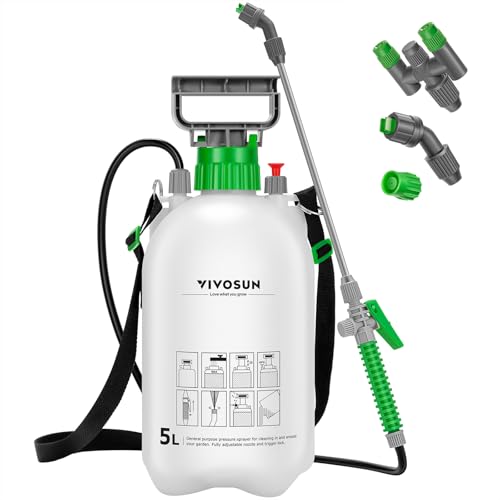
Draper 5L Pressure Sprayer
Best Budget ManualPros
- Low price
- Lightweight
- Simple design
Cons
- Plastic nozzle prone to clogging
- Seals wear quickly
The Draper 5L is the most affordable option on this list. It is lightweight and easy to carry, making it suitable for small gardens. Owner reviews on Amazon rate it 3.8 stars, with many praising the value for money.
The plastic nozzle can clog with coarse chemicals, and the seals may need replacement after a season. It has no safety valve, so you must manually release pressure. A good entry-level sprayer for occasional use.

Wagner W 90
Best for Large AreasPros
- Large 8L capacity
- Shoulder strap for comfort
- Brass nozzle
Cons
- Heavy when full
- Pump handle can be stiff
The Wagner W 90 is designed for large gardens or allotments. The 8-litre tank reduces refill stops, and the shoulder strap distributes weight across your body. Owner reviews note the brass nozzle provides a consistent spray pattern.
At 2.8 kg empty and over 10 kg full, it is heavy. The pump handle requires some effort to pressurise fully. It is a good choice if you need to cover a lot of ground in one session.
FAQs
Can I use bleach in a pressure sprayer?
No. Bleach and strong solvents degrade rubber seals and plastic tanks. Use only water-based garden chemicals.
How do I release pressure from a manual sprayer?
Point the nozzle away from your body and press the trigger until no more liquid or air comes out. Then slowly unscrew the lid.
What pressure should I use for weedkiller?
Most weedkillers work best at 2-3 bar. Use a coarse nozzle setting to reduce drift onto desirable plants.
How often should I replace the seals?
Check seals before each use. Replace them annually or sooner if you see cracks or leaks. Many sprayers include spare seals.
Can I leave chemical in the sprayer overnight?
No. Always empty and rinse the sprayer after each use. Chemicals can corrode seals and clog the nozzle if left to dry.
What does a pressure relief valve do?
It automatically releases excess pressure to prevent the tank from bursting. Battery sprayers often have this built in.
Is a battery sprayer safer than a manual one?
Battery sprayers reduce the risk of over-pressurisation and arm fatigue, but both require the same PPE and cleaning routine.
Can I use a pressure sprayer for painting?
No. Pressure sprayers for garden chemicals are not designed for paint. Use a dedicated paint sprayer like a Wagner Control Pro.
How do I clean a clogged nozzle?
Remove the nozzle and soak it in warm soapy water. Use a pin or nozzle cleaning tool to clear the orifice. Rinse thoroughly.
What is the best sprayer for a small garden?
A 5-litre manual sprayer like the Bosch Garden Sprayer is ideal. It is lightweight, easy to store, and sufficient for small lawns and borders.
Can I use a pressure sprayer with a backpack?
Some models come with a shoulder strap or backpack harness. Backpack sprayers are better for large areas but require more cleaning effort.
Why is my sprayer losing pressure?
This usually means a damaged O-ring or a loose connection. Check the lid seal, hose connections, and pump seal for wear.
Our verdict
For most gardeners, the Karcher Battery Sprayer is the safest and most convenient choice, with automatic pressure relief and consistent spray. If you prefer a manual sprayer, the Bosch Garden Sprayer offers the best build quality for the price. Avoid the Draper 5L for regular use due to its plastic nozzle and short seal life.