How to Use a Safety Goggles Safely
Safety goggles are essential for protecting your eyes from debris, chemicals, and impact during DIY projects. This guide covers correct usage, fit, maintenance, and common mistakes to ensure you get maximum protection every time.
Quick answer
To use safety goggles safely, always ensure a snug seal against your face without gaps, use anti-fog lenses in humid conditions, and replace them immediately if scratched or cracked. The best overall pick for durability and comfort is the DeWalt DPG82-11C.
Why trust ToolBuyerHub
- Checked duty-rating and standards claims against manufacturer load charts, not marketing copy
- Battery & ecosystem compared
- Aggregated owner reviews from major retailers
- Build quality & warranty checked
- Brand reliability
- No fake hands-on claims
Research updated June 2026.
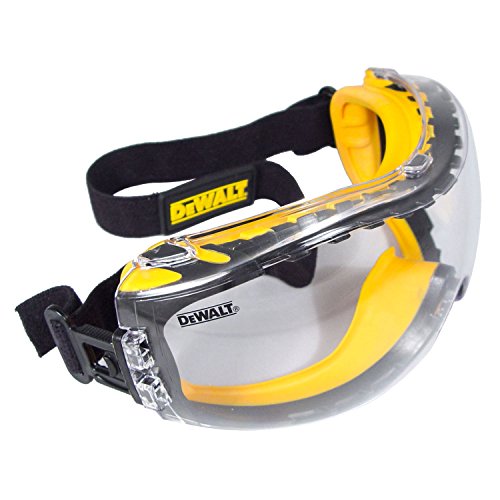
DeWalt DPG82-11C
Durable dual-lens design with anti-fog coating and adjustable headband.
Why Proper Goggle Use Matters
Safety goggles are not just ordinary glasses. They form a sealed barrier around your eyes, protecting against flying particles, chemical splashes, and dust. According to the American National Standards Institute (ANSI), over 2,000 eye injuries occur daily in the US, with many being preventable through correct goggle use. Understanding how to wear, adjust, and maintain your goggles is critical to avoiding injury.
Step-by-Step Guide to Using Safety Goggles Safely
Follow these steps to ensure your goggles provide full protection during any task.
1. Check the Rating Before Use
Always verify that your goggles meet the required safety standards. Look for ANSI Z87.1 (US) or EN 166 (EU) markings on the frame or lens. Goggles rated Z87+ offer high-impact protection, while those marked with "D3" resist chemical splashes. Never use goggles without these certifications for hazardous work.
2. Inspect for Damage
Before each use, examine the lenses for scratches, cracks, or clouding. Check the headband or strap for elasticity and the frame for cracks. Damaged goggles compromise the seal and can fail under impact. Replace any pair that shows signs of wear.
3. Adjust the Fit
Place the goggles over your eyes and press the frame gently against your face. Adjust the headband so it sits snugly but not too tight. The seal should be complete with no gaps, especially around the nose and temples. If you wear prescription glasses, choose over-glasses goggles (OTG) that fit comfortably over them.
4. Use Anti-Fog Features
Fogging is a common issue that leads users to remove goggles, risking injury. Use goggles with anti-fog coating or ventilation ports. For tasks in humid conditions, apply an anti-fog spray or wipe. Never wipe the inside of the lens with abrasive materials, as this can damage the coating.
5. Wear with Other PPE
Safety goggles should be worn with a hard hat, ear protection, and a dust mask or respirator as needed. Ensure the goggle strap fits under the hard hat brim without interfering. For chemical work, combine goggles with a full-face shield for splash protection.
6. Clean and Store Properly
After use, rinse goggles with water to remove dust or chemicals. Clean lenses with a soft microfiber cloth and mild soap. Store them in a hard case or a clean, dry place away from direct sunlight. Avoid leaving goggles in hot cars, as heat can warp the frame.
What to Check Before Buying Safety Goggles
Choosing the right goggles starts with understanding your tasks. Here are key factors to evaluate:
- Lens material: Polycarbonate is standard for impact resistance. Glass offers better scratch resistance but is heavier.
- Ventilation: Direct vent goggles allow airflow but not for liquid splash. Indirect vent or non-vented goggles are best for chemical work.
- Comfort features: Look for padded frames, adjustable straps, and lightweight designs for extended wear.
- Compatibility: If you wear prescription glasses, ensure the goggles are OTG rated. Some models also fit under welding helmets.
- Certifications: Always choose goggles marked with ANSI Z87.1 or EN 166. For laser work, look for specific wavelength ratings.
Mistakes to Avoid
Even experienced DIYers make errors that reduce protection. Avoid these common pitfalls:
- Wearing goggles over the forehead: This stretches the strap and damages the seal. Always wear them over your eyes.
- Using scratched lenses: Scratches scatter light and reduce visibility, leading to accidents. Replace scratched goggles immediately.
- Ignoring fogging: Removing goggles to wipe fog exposes your eyes. Use anti-fog products or switch to vented models.
- Mixing with safety glasses: Safety glasses do not provide a seal. Use goggles for tasks involving dust, splashes, or fine particles.
- Sharing without cleaning: Shared goggles can transfer irritants or infections. Clean thoroughly between users.
Top 5 Safety Goggles for DIY and Professional Use
Based on owner reviews, brand reliability, and safety ratings, these are the best safety goggles available.
DeWalt DPG82-11C
Best OverallPros
- Dual-lens design reduces fogging
- Comfortable for long wear
- Adjustable headband stays secure
Cons
- Not suitable for chemical splash
- Lens scratches easily if wiped dry
The DeWalt DPG82-11C is a top-rated goggle for general DIY use. Its dual-lens system creates an air chamber that minimizes fogging, a common complaint with single-lens models. The polycarbonate lenses offer high impact resistance, and the adjustable strap ensures a custom fit.
Owner reviews highlight the comfort and clarity of the lenses. However, the vents are direct, so this model is not recommended for liquid chemical work. For woodworking, grinding, and general construction, it is a reliable choice.
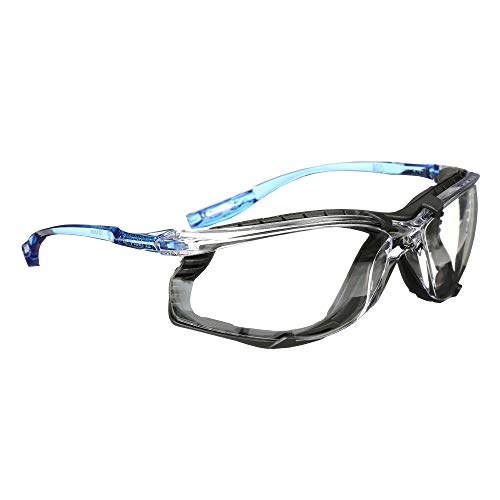
3M Virtua CCS
Best BudgetPros
- Very affordable
- Lightweight and comfortable
- Scratch-resistant coating
Cons
- Limited fog resistance
- Strap can loosen over time
The 3M Virtua CCS offers solid protection at a low cost. It meets ANSI Z87.1 standards and features a scratch-resistant coating. The lightweight design makes it suitable for short tasks where heavy goggles are not needed.
Owners report good clarity and fit for most face shapes. The main drawback is fogging in humid conditions, as it lacks advanced anti-fog features. For occasional use or as a spare pair, it is a practical option.

Uvex Stealth OTG
Best for Prescription GlassesPros
- Fits over most prescription frames
- Excellent fog resistance
- Adjustable temple arms
Cons
- Bulkier than standard goggles
- Higher price point
The Uvex Stealth OTG is designed specifically for users who wear prescription glasses. It features a wide frame that accommodates most eyeglasses without pressure. The lens has a permanent anti-fog coating that performs well in humid conditions.
Owner reviews praise the comfort and the secure fit over glasses. The main trade-off is added bulk, which may feel heavy during extended use. For those who need vision correction, this is the top choice.

Pyramex I-Force
Best for Chemical SplashPros
- Indirect vent for splash protection
- Durable frame
- Good field of view
Cons
- Can fog in high humidity
- Strap may slip on hard hats
The Pyramex I-Force is built for environments where chemical splash is a risk. Its indirect ventilation system prevents liquid entry while allowing airflow. The lens meets the D3 splash rating, making it suitable for lab work and cleaning tasks.
Owners note the robust construction and clear optics. Some users report fogging during heavy exertion, so an anti-fog wipe is recommended. For chemical handling, this goggle provides reliable protection.
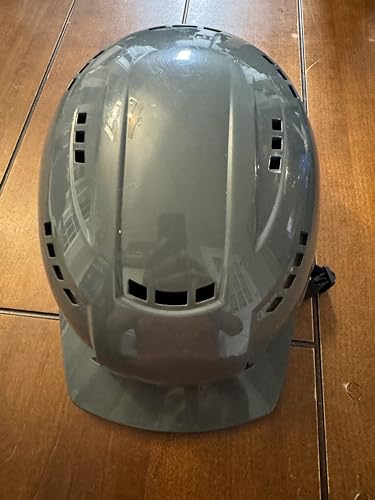
Milwaukee 48-73-4000
Best for Dust ProtectionPros
- Foam seal blocks fine dust
- Anti-fog lens
- Comfortable for long wear
Cons
- Foam can degrade over time
- Not for chemical splash
The Milwaukee 48-73-4000 features a foam-lined frame that seals out dust and debris. It is ideal for sanding, grinding, and woodworking. The anti-fog coating keeps vision clear during active use.
Owner reviews highlight the comfort and effective dust seal. The foam may wear out after months of heavy use, but replacement is simple. For dusty environments, this goggle offers superior protection.
| Model | Best For | Key Spec | Rating | Price |
|---|---|---|---|---|
| DeWalt DPG82-11C | Overall use | Dual-lens, anti-fog | 4.6/5 | $$ |
| 3M Virtua CCS | Budget | Lightweight, scratch-resistant | 4.4/5 | $ |
| Uvex Stealth OTG | Prescription glasses | OTG fit, anti-fog | 4.5/5 | $$$ |
| Pyramex I-Force | Chemical splash | Indirect vent, D3 rating | 4.3/5 | $$ |
| Milwaukee 48-73-4000 | Dust protection | Foam seal, anti-fog | 4.4/5 | $$ |
FAQs
Can I wear safety goggles over prescription glasses?
Yes, use OTG (over-the-glass) goggles designed to fit over standard frames. The Uvex Stealth OTG is a top choice for this purpose.
How often should I replace safety goggles?
Replace them immediately if scratched, cracked, or if the seal is compromised. For regular use, replace every 6 to 12 months.
What does ANSI Z87.1 mean?
It is the US safety standard for eye protection, ensuring goggles resist impact from a 1/4-inch steel ball at 102 feet per second.
Are anti-fog coatings permanent?
No, they wear off over time with cleaning. Use anti-fog sprays or wipes to extend the life of the coating.
Can I use safety goggles for welding?
No, welding requires a specific shade lens. Standard goggles do not protect against UV or infrared radiation from arcs.
How do I clean safety goggles without scratching them?
Rinse with water first, then clean with a microfiber cloth and mild soap. Avoid paper towels or abrasive cleaners.
What is the difference between safety glasses and goggles?
Safety glasses have open sides and no seal. Goggles form a complete seal around the eyes, offering better protection against dust and splashes.
Do safety goggles expire?
There is no set expiration, but UV exposure and wear degrade materials. Inspect regularly and replace if the frame becomes brittle.
Can I wear contact lenses under safety goggles?
Yes, but ensure the goggles seal well to prevent dust or chemicals from reaching the contacts. Use with caution in hazardous environments.
What does D3 rating mean on goggles?
D3 indicates the goggles are tested for protection against liquid chemical splash. Look for this rating for lab or cleaning work.
Our verdict
For most DIY tasks, the DeWalt DPG82-11C offers the best balance of comfort, impact protection, and fog resistance. If you wear prescription glasses, choose the Uvex Stealth OTG. For budget-conscious users, the 3M Virtua CCS provides reliable protection at a low cost. Always prioritize a proper seal and regular replacement for maximum safety.