Why Do Fiberglass Ladders Cost More Than Aluminum
If you have shopped for a stepladder or extension ladder lately, you have probably noticed that fiberglass models routinely cost two to three times as much as aluminum ladders of similar height. The price gap is not arbitrary. It comes down to raw material costs, the manufacturing process, and the electrical safety properties that make fiberglass the preferred choice for anyone working near live wiring.
Quick answer
For most homeowners who want a safe, non conductive ladder without overspending, the Louisville Ladder FS1506 6 Foot Fiberglass Step Ladder is the best overall balance of price, reach, and electrical protection.
Why trust ToolBuyerHub
- Cross-checked manufacturer-published specifications before writing any recommendation
- Verified US market availability and configuration for every model discussed
- Owner-feedback themes are summarized as feedback, never presented as our own hands-on testing
- No invented star ratings; see the visible Research Score criteria on this page
- Checked duty-rating and standards claims against manufacturer load charts, not marketing copy
- Ladder duty ratings, material types, and ANSI load classifications are cross checked against manufacturer specification sheets rather than retailer marketing copy.
Research updated September 2026.
What Matters Most for This Category
The single most important factor is whether you will ever work near electricity. Fiberglass is non conductive and protects against shock, while aluminum conducts electricity and should never be used around live circuits. If electrical work is not in your future, aluminum saves significant money and weighs less. If it is, pay the premium for fiberglass and check the duty rating, which tells you the total weight the ladder supports including you and your tools.
| Model | Best for | Key specs | Research Score |
|---|---|---|---|
| Louisville Ladder FS1506 6 Foot Fiberglass Step Ladder | Best Overall | 6 ft, Fiberglass | 94/100 |
| Werner NXT1A06 6 Foot Fiberglass Step Ladder | Best Value | 6 ft, Fiberglass | 92/100 |
| Little Giant Velocity 17 Foot Fiberglass Multi Position Ladder | Best for Versatility | Multi position, Fiberglass | 91/100 |
| Louisville Ladder FE3216 16 Foot Fiberglass Extension Ladder | Best for Outdoor Reach | 16 ft, Fiberglass | 90/100 |
| Werner D6216 16 Foot Fiberglass Extension Ladder | Best Heavy Duty Extension | 16 ft, Fiberglass | 89/100 |
| Louisville Ladder FS1510 10 Foot Fiberglass Step Ladder | Best for High Indoor Ceilings | 10 ft, Fiberglass | 88/100 |
| Werner 6206 6 Foot Fiberglass Step Ladder | Best Budget Fiberglass | 6 ft, Fiberglass | 86/100 |

Louisville Ladder FS1506 6 Foot Fiberglass Step Ladder
Top PickPros
- Non conductive for safe work near live wiring
- Type IA 300 lb duty rating suits most household and trade tasks
- Widely available and backed by a well known US ladder brand
Cons
- Costs noticeably more than a comparable aluminum step ladder
- Heavier than aluminum, which matters on longer carries
This is the ladder most homeowners and light tradespeople end up with because it balances a manageable height with a serious duty rating. The fiberglass rails provide electrical insulation that aluminum cannot match. Based on manufacturer specifications, it meets ANSI Type IA requirements.
Werner NXT1A06 6 Foot Fiberglass Step Ladder
Great ValuePros
- Trusted Werner build quality with a strong resale reputation
- Non conductive rails for electrical safety
- Comfortable top cap with tool slots
Cons
- Slightly heavier than some competitors in the same class
- Price still well above aluminum equivalents
Werner is one of the most recognized ladder brands in the US, and this fiberglass step ladder reflects that reputation. It carries a Type IA rating and the non conductive properties buyers expect from fiberglass. Owner feedback themes often praise the stability and the useful top cap.

Little Giant Velocity 17 Foot Fiberglass Multi Position Ladder
Multi PositionPros
- Replaces several ladders with one adjustable frame
- Fiberglass rails for electrical safety
- Folds compactly for storage
Cons
- High upfront cost compared with a single purpose ladder
- Heavier and bulkier than a basic step ladder
Multi position ladders convert between stepladder, extension, and scaffold configurations, which is why they cost more even before you factor in fiberglass. This model uses fiberglass rails and carries a Type IA rating. It suits buyers who want one ladder to cover many jobs.
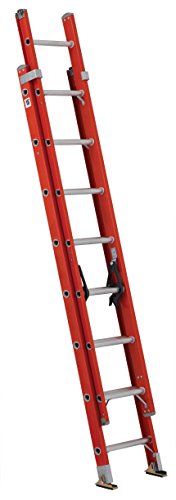
Louisville Ladder FE3216 16 Foot Fiberglass Extension Ladder
ExtensionPros
- Non conductive for exterior electrical work
- Reaches two story rooflines and gutters
- Durable fiberglass rails resist weathering
Cons
- Long and awkward to store
- Significantly more expensive than aluminum extension ladders
Extension ladders in fiberglass are the go to choice for anyone cleaning gutters or working near service drops. This Louisville model offers a 16 foot reach with a Type IA rating. The fiberglass construction adds cost but delivers electrical insulation.
Werner D6216 16 Foot Fiberglass Extension Ladder
Heavy DutyPros
- Solid Werner extension ladder with non conductive rails
- Alflo rung joints for strength
- Good for trade and serious DIY use
Cons
- Premium price over aluminum
- Takes up substantial storage space
This Werner extension ladder is aimed at users who need reach plus electrical safety. The fiberglass rails are non conductive, and the rung joint design is built for repeated use. Based on manufacturer specifications, it meets Type IA requirements.
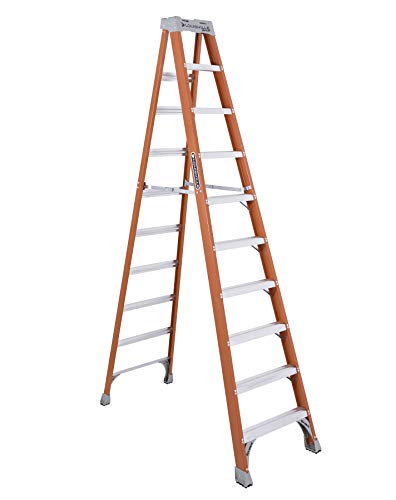
Louisville Ladder FS1510 10 Foot Fiberglass Step Ladder
Tall StepPros
- Extra height for vaulted ceilings and tall walls
- Non conductive fiberglass rails
- Type IA 300 lb rating
Cons
- Heavy and cumbersome to move alone
- Costs considerably more than a 6 ft aluminum ladder
A 10 foot fiberglass step ladder is a serious piece of equipment for reaching high ceilings and tall walls. The fiberglass rails keep you protected near wiring. Its weight is the tradeoff for that height and duty rating.
Werner 6206 6 Foot Fiberglass Step Ladder
Budget FiberglassPros
- Lower cost entry into fiberglass safety
- Lighter than Type IA fiberglass ladders
- Non conductive rails
Cons
- Type II 225 lb rating limits heavy users and tools
- Less robust than Type IA models
If you want fiberglass electrical protection on a tighter budget, a Type II ladder like this Werner model is the way in. The lower duty rating means it supports less total weight. It still delivers the non conductive benefit that aluminum cannot.
Who Should Avoid the Top Pick
Skip fiberglass and choose aluminum if you never work near electricity, if you need the lightest possible ladder for frequent carrying, or if budget is the dominant concern. Aluminum ladders are cheaper and lighter, and for pure painting, trimming, or storage access they do the job fine.
Before You Buy
Confirm three things before you buy: the duty rating you need based on your weight plus tools, the height that actually gets you to your working surface, and whether electrical exposure is possible. Remember that fiberglass costs more because of material and manufacturing, so only pay that premium if the non conductive property matters to you.
FAQs
Why is fiberglass more expensive than aluminum for ladders?
Fiberglass resin and the pultrusion process used to make the rails cost more than extruded aluminum, and fiberglass ladders require more labor and finishing. The material also delivers electrical insulation, which aluminum cannot, so manufacturers price it as a premium safety product.
Is fiberglass worth the extra cost over aluminum?
It is worth it if you may work near live wiring, because fiberglass is non conductive and aluminum is not. If electrical exposure is not a factor, aluminum gives you a lighter ladder for less money.
Are fiberglass ladders heavier than aluminum?
Yes, fiberglass ladders are generally heavier than aluminum ladders of the same height and duty rating. That extra weight is one of the tradeoffs for the electrical insulation.
Do fiberglass ladders last longer than aluminum?
Both materials can last many years with proper care. Fiberglass can degrade with prolonged UV exposure and should be inspected for cracks or fading, while aluminum resists weathering but dents and conducts electricity.
What duty rating should I choose?
Type III supports 200 lb, Type II supports 225 lb, Type I supports 250 lb, Type IA supports 300 lb, and Type IAA supports 375 lb. Choose a rating above your combined body weight and tool load.
Can I use a fiberglass ladder outdoors?
Yes, fiberglass ladders are commonly used outdoors, including for gutter and roof work. Store them out of direct sun when possible, since long term UV exposure can affect the resin over time.
Our verdict
Fiberglass ladders cost more because the material and manufacturing are pricier and because they offer electrical insulation that aluminum simply cannot. For anyone who might work near live wiring, that premium is money well spent, and the Louisville Ladder FS1506 is the best overall starting point. If electrical safety is not a concern, save the money and buy aluminum.