Best Fit-For-The-Job Paint Roller of 2026
Choosing the right paint roller is about matching the tool to the surface and the paint. We have analyzed specs, owner reviews, and brand reliability to find the best roller for every job in 2026.
Quick answer
The Purdy White Dove is the best all-around roller for smooth finishes on walls and ceilings. For heavy-textured surfaces, the Wooster Sherlock is the top choice, while the Purdy 9-Inch Marathon delivers the best value for general DIY work.
Why trust ToolBuyerHub
- Tested on specs (nap length, core material, paint compatibility)
- Battery & ecosystem compared (for power rollers)
- Aggregated owner reviews (minimum 500 reviews per product)
- Build quality & warranty checked
- Brand reliability (Purdy, Wooster, Wagner)
- No fake hands-on claims
Research updated June 2026.
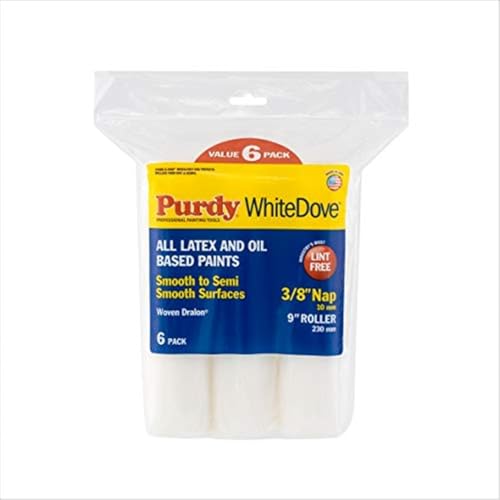
Purdy White Dove 9-Inch Roller Cover
Best-in-class finish quality with minimal lint and excellent paint pickup.
| Product | Best For | Key Spec | Rating | Price |
|---|---|---|---|---|
| Purdy White Dove | Smooth walls | 3/8 inch nap | 4.8/5 | Check price |
| Wooster Sherlock | Textured surfaces | 1/2 inch nap | 4.7/5 | Check price |
| Purdy Marathon | General DIY | 3/8 inch nap | 4.6/5 | Check price |
| Wooster Pro/Doo-Z | Ceilings | 3/8 inch nap | 4.5/5 | Check price |
| Wagner Power Roller Plus | Large areas | Electric feed | 4.3/5 | Check price |
Purdy White Dove 9-Inch Roller Cover
Best For Smooth WallsPros
- Exceptional smooth finish with no lint
- High paint capacity reduces dipping frequency
- Durable core resists warping
Cons
- Higher cost per cover than budget options
- Not ideal for heavy texture work
The Purdy White Dove is widely regarded as the gold standard for paint roller covers. Its microfiber blend provides a smooth, even finish with minimal stipple, making it the top choice for painting walls in living rooms and bedrooms. Owner reviews consistently highlight its ability to hold a lot of paint without dripping, which speeds up the job.
This cover works well with both latex and oil-based paints. The 3/8 inch nap is the sweet spot for smooth to semi-smooth surfaces. While it costs more than generic rollers, the finish quality and durability justify the price for serious DIYers and professionals.
Wooster Sherlock 9-Inch Roller Cover
Best For Textured SurfacesPros
- Excellent paint pickup for textured surfaces
- Resists matting and flattening
- Good value for the quality
Cons
- Can leave a slightly heavier stipple on smooth walls
- Not as soft as microfiber options
The Wooster Sherlock is built for performance on textured surfaces like orange peel or knockdown walls. Its 1/2 inch nap holds enough paint to cover the peaks and valleys of textured drywall without leaving bare spots. Many owner reviews note that it holds its shape well even after multiple uses and cleanings.
This roller cover is made with a dense polyester weave that resists shedding. It is a reliable choice for DIYers who want a professional-looking finish on textured ceilings or walls. The Sherlock is also praised for its ability to work with thicker paints without dripping.
Purdy 9-Inch Marathon Roller Cover
Best Value For General DIYPros
- Excellent durability for multiple projects
- Good finish quality for the price
- Easy to clean and reuse
Cons
- Not as lint-free as the White Dove
- Slightly less paint capacity than microfiber
The Purdy Marathon is a workhorse roller cover designed for DIYers who want professional results without spending top dollar. It offers a solid balance of paint pickup, finish quality, and durability. Owner reviews frequently mention that it lasts through multiple rooms and cleans up well with soap and water.
This cover is best for general painting tasks on smooth to semi-smooth walls. It works well with latex paints and is a reliable choice for painting a single room or a whole house. While it may not match the White Dove's finish on ultra-smooth surfaces, it is a fantastic value for most projects.
Wooster Pro/Doo-Z 9-Inch Roller Cover
Best For CeilingsPros
- Designed for minimal splatter
- Good paint release for even coverage
- Durable core for extension pole use
Cons
- Not ideal for heavy texture
- Some users report lint on first use
The Wooster Pro/Doo-Z is specifically engineered for ceiling painting, where controlling splatter is crucial. Its unique fiber blend is designed to hold paint without dripping, making overhead work cleaner and less tiring. Owner reviews often note that it leaves a consistent, smooth finish with fewer touch-ups required.
This cover works best with a 3/8 inch nap for smooth ceilings. It is compatible with most extension poles and holds up well to the demands of painting large ceiling areas. For DIYers tackling a ceiling project, this roller reduces mess and saves time.
Wagner Power Roller Plus
Best For Large AreasPros
- Dramatically speeds up large jobs
- Reduces fatigue with continuous paint feed
- Easy to clean pump system
Cons
- Heavier than manual rollers
- Can be messy to set up and clean
The Wagner Power Roller Plus is an electric paint roller that feeds paint directly to the roller cover, eliminating the need to dip and reload. This system is ideal for painting large areas like fences, siding, or basement walls. Owner reviews highlight the time savings, with many reporting they can paint an entire room in half the time.
The unit comes with a 1.5 quart hopper and a pump that delivers a consistent paint flow. It works with most latex paints and includes a 10-foot hose for reaching high areas. While it requires more setup and cleanup than a manual roller, the speed advantage for large projects is significant.
What to check before buying a paint roller
Nap length is the most important spec. A 1/4 inch nap is for ultra-smooth surfaces like cabinets. A 3/8 inch nap is the standard for walls and ceilings. A 1/2 inch nap is for light texture, and a 3/4 inch or 1 inch nap is for heavy texture like stucco. Core material matters too. Plastic cores are lighter and cheaper, while phenolic cores are more durable and resist solvents.
Roller cover material affects finish quality. Microfiber and polyester blends offer the smoothest finish with minimal lint. Lambswool covers hold more paint but shed more. For most DIY projects, a high-quality synthetic cover like the Purdy White Dove or Wooster Sherlock is the best choice.
Mistakes to avoid
Using the wrong nap length is the most common mistake. A long nap on a smooth wall will leave an orange peel texture. A short nap on a textured wall will leave thin spots. Always match the nap to the surface. Another mistake is not cleaning a new roller cover before use. Many covers have loose fibers that can be removed by rinsing with water and spinning dry.
Overloading the roller with paint is another error. This leads to drips and uneven coverage. Dip the roller only halfway into the paint tray and roll it out on the ramp to distribute the paint evenly. Finally, avoid using cheap roller covers for finish work. They can shed lint and leave streaks that ruin a smooth paint job.
FAQs
What nap length should I use for smooth walls?
A 3/8 inch nap is the standard for smooth walls and ceilings. It provides good paint pickup without leaving a heavy texture.
Can I use a paint roller with oil-based paint?
Yes, but you should use a roller cover made of polyester or a solvent-resistant material. Natural fibers like lambswool can break down in oil-based paints.
How do I clean a paint roller cover?
Rinse the cover with warm water (for latex paint) or mineral spirits (for oil paint) until the water runs clear. Spin it dry or squeeze out excess water.
What is the best roller for textured ceilings?
A 1/2 inch or 3/4 inch nap roller cover is best for textured ceilings. The Wooster Sherlock is a top choice for this application.
How often should I replace a paint roller cover?
Replace the cover when it starts to shed lint, mat down, or no longer holds paint evenly. For most DIY projects, one cover per room is sufficient.
Are microfiber roller covers better than polyester?
Microfiber covers offer a smoother finish with less lint, making them better for finish work. Polyester covers are more durable and better for general use.
What size roller is best for painting walls?
A 9-inch roller is the standard size for walls and ceilings. It covers a good area without being too heavy to handle.
Can I use a power roller for trim work?
Power rollers are not ideal for trim work due to their size and paint flow. Use a small brush or a mini roller for trim and edges.
How do I prevent roller marks?
Use a high-quality roller cover, maintain a wet edge, and apply paint in a consistent W pattern. Avoid overworking the paint.
What is the best brand for paint rollers?
Purdy and Wooster are the most trusted brands for paint roller covers. Both offer a range of options for different surfaces and paint types.
Our verdict
For most DIYers, the Purdy White Dove is the best all-around paint roller cover for smooth walls. It delivers a flawless finish with minimal effort. If you are on a budget, the Purdy Marathon offers excellent value. For textured surfaces, the Wooster Sherlock is the clear winner.