Best Grout Removal Tools for Bathrooms
Grout removal is one of those jobs that punishes the wrong tool, because hardened cement-based grout is abrasive enough to dull cheap blades in minutes and tough enough to demand real control near tile edges. The right tool depends on whether you are raking out a single failed grout line, refreshing a whole shower floor, or cleaning up stained grout that has not actually failed yet.
Quick answer
The Dremel 568 Grout Removal Kit paired with a rotary tool is the best overall pick for most bathroom grout jobs because it gives you guided depth control and a carbide bit that handles real cement grout.
Why trust ToolBuyerHub
- Cross-checked manufacturer-published specifications before writing any recommendation
- Verified US market availability and configuration for every model discussed
- Owner-feedback themes are summarized as feedback, never presented as our own hands-on testing
- No invented star ratings; see the visible Research Score criteria on this page
- Checked surface-prep and ventilation guidance against manufacturer product data
- Grout removal tools are judged here on blade or bit material, depth control, and how well they protect adjacent tile and porcelain edges, since those three factors decide whether a job ends in clean lines or chipped tiles.
Research updated September 2026.
What Matters Most for This Category
The single biggest factor is whether you are removing grout or just cleaning it. Cleaning calls for a brush or oscillating tool with a soft blade, while removal calls for carbide or diamond abrasives and a way to control depth so you do not gouge tile edges or crack a glaze. Also match the tool to the grout width: a thin blade in a wide joint wanders, and a thick blade in a narrow joint will not enter the line at all. Corded tools give consistent power for long grout lines, while cordless versions win in tight showers and around fixtures.
| Model | Best for | Key specs | Research Score |
|---|---|---|---|
| Dremel 568 Grout Removal Kit | Best Overall | Rotary tool attachment kit, Carbide grout removal bits | 93/100 |
| Oscillating Multi-Tool Grout Removal Blade (Rockwell / DeWalt / Bosch compatible) | Best for Wide Joints | Oscillating blade, Carbide grit or coated edge | 90/100 |
| QEP 10020 Grout Saw | Best Budget | Hand grout saw, Tungsten carbide grit | 86/100 |
| Dremel 8260 Cordless Rotary Tool | Best Cordless | Cordless rotary tool, 12V lithium-ion | 89/100 |
| Oscillating Multi-Tool (DeWalt DCS356 or similar) | Best for Whole-Room Jobs | Cordless oscillating multi-tool, Brushless | 88/100 |
| QEP 10030 Grout Saw Replacement Blades | Best Value | Replacement blades, Tungsten carbide grit | 84/100 |
| Grout Cleaning Brush Set for Drill (various brands) | Best for Cleaning Not Removing | Drill-mounted brush set, Nylon or stiff synthetic | 80/100 |
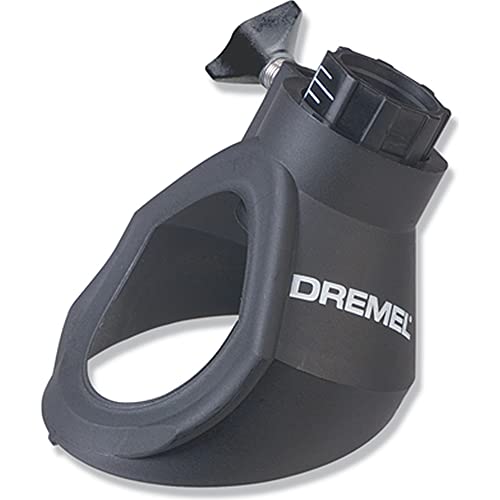
Dremel 568 Grout Removal Kit
Best controlPros
- Carbide bits cut cement grout rather than just scraping it
- Guide helps hold a consistent depth along the joint
- Works with rotary tools many homeowners already own
Cons
- Requires a separate rotary tool
- Carbide bits wear out on very hard grout and need replacing
This kit turns a standard Dremel rotary tool into a guided grout rake, which is why it lands at the top for typical bathroom jobs. The carbide bits are sized for common grout widths and the guide keeps the cut from diving into tile. Based on manufacturer specifications, it is intended for cement-based grout rather than epoxy.

Oscillating Multi-Tool Grout Removal Blade (Rockwell / DeWalt / Bosch compatible)
Fast rakingPros
- Covers more ground per pass than a rotary bit
- Works with the oscillating tool many DIYers already own
- Good for long, straight floor and wall joints
Cons
- Blade width can chip tile if you angle it
- Less precise in narrow or curved grout lines
An oscillating grout blade is the fastest way to rake out long, straight grout lines, especially on floors. Carbide grit versions cut cement grout steadily, and because the blade is flat you can follow a joint without much wandering. Buy the blade that matches your tool's arbor rather than assuming universal fit.
QEP 10020 Grout Saw
Cheap and simplePros
- Costs very little and needs no power source
- Carbide grit blade handles cement grout
- Easy to control in tight corners and short runs
Cons
- Slow on large areas
- Hard on the hand during long sessions
A hand grout saw is the classic low-cost answer for a few failed lines or a small repair. The carbide grit blade scratches through cement grout with steady strokes, and there is no cord or battery to manage. It is genuinely slow for a whole shower, but for a handful of joints it is hard to beat on price.
Dremel 8260 Cordless Rotary Tool
No cordPros
- No cord to fight inside a shower stall
- Variable speed helps control cutting on tile edges
- Accepts Dremel grout removal bits and attachments
Cons
- Battery runtime limits long jobs
- Costs more than a basic corded rotary tool
A cordless rotary tool solves the biggest annoyance in bathroom grout work, which is dragging a cord into a wet, cramped shower. Variable speed lets you slow down near tile edges where a fast bit can chip glaze. Based on manufacturer specifications, it accepts the same grout removal bits as corded models.

Oscillating Multi-Tool (DeWalt DCS356 or similar)
VersatilePros
- One tool handles grout, caulk, and trim work
- Brushless motor holds speed under load
- Tool-free blade changes speed up the job
Cons
- Tool cost is higher than a blade alone
- Vibration is tiring over long sessions
If you are redoing a whole bathroom, a quality oscillating multi-tool earns its keep beyond grout removal. It also cuts caulk lines, trims door jambs, and handles other remodel tasks. Pair it with a carbide grout blade and it becomes a fast raking machine for long joints.
QEP 10030 Grout Saw Replacement Blades
Refill packPros
- Cheap way to keep a hand saw working
- Carbide grit stays sharp longer than plain steel
- Small pack stores easily in a toolbox
Cons
- Only useful if you already own the saw
- Still slow compared with power tools
Replacement blades are the unglamorous but sensible buy if you already use a hand grout saw. Carbide grit blades dull after enough linear feet, and swapping in a fresh one restores cutting speed immediately. This is a value pick rather than a standalone tool.

Grout Cleaning Brush Set for Drill (various brands)
Clean onlyPros
- Fast way to scrub stained grout lines
- Cheap compared with removal tools
- Works with a drill most households own
Cons
- Does not remove failed or hardened grout
- Can splatter cleaning solution if run too fast
This is the honest caveat pick: if your grout is dirty rather than crumbling, you do not need a removal tool at all. A drill-mounted brush set scrubs stains out of the joint far faster than hand brushing. It will not cut out grout, so do not buy it expecting removal.
Who Should Avoid the Top Pick
Skip dedicated grout removal tools if your grout is intact and merely discolored, since scrubbing or a cleaning brush set solves that problem for far less money. Also avoid buying a grout blade before confirming it fits your specific oscillating tool arbor, because arbor styles vary between brands and a mismatched blade is useless.
Before You Buy
Measure your grout line width before choosing a blade or bit, because grout removal accessories are sized and a mismatch either wanders or will not fit. Confirm the tool you already own is compatible with the blade or bit you plan to buy, and check whether your grout is cement-based or epoxy, since epoxy is far harder and may need a different approach entirely.
FAQs
Can I remove grout without damaging tile?
Yes, if you control depth and keep the blade centered in the joint. Carbide bits and blades cut grout, but angling them into the tile face is what causes chips, so use a guide or steady hand and work slowly near edges.
Is a rotary tool or oscillating tool better for grout removal?
A rotary tool with a grout bit gives more precision in narrow joints and around fixtures, while an oscillating tool with a carbide blade covers long straight joints faster. Many people use both on a full bathroom remodel.
Can I use a drill-mounted brush to remove grout?
No. Drill brushes are for cleaning stained grout, not cutting it out. They will not touch hardened cement grout and are not a substitute for a grout saw, rotary bit, or oscillating blade.
How do I know if my grout is cement-based or epoxy?
Cement-based grout is porous and generally lighter and more chalky, while epoxy grout is harder, denser, and more plastic-like. If you are unsure, test a small hidden area with your chosen tool before committing to the whole job.
Do I need to remove all the old grout?
Only if it is failing, cracked, or you are regrouting. For cosmetic refresh, removing roughly two-thirds of the depth is often enough to give new grout something to bond to, but always follow the new grout manufacturer's instructions.
What safety gear should I wear for grout removal?
Eye protection and a dust mask are the basics, since grout removal throws fine silica-containing dust. Gloves help with hand tools, and hearing protection is sensible with power tools in a small tiled room.
Our verdict
For most bathrooms, the Dremel 568 Grout Removal Kit with a rotary tool is the best balance of control, cost, and real cutting power on cement grout. If you are doing a whole room, an oscillating multi-tool with a carbide grout blade will save significant time, and if your grout is simply stained rather than failing, a drill brush set is the cheaper and smarter answer.