How to Use a Caulking Gun Safely
Using a caulking gun is a simple way to seal gaps and improve your home’s energy efficiency, but incorrect handling can lead to messy results and hand strain. This guide covers the essential safety steps, tool selection, and techniques to ensure a clean, professional finish every time.
Quick answer
To use a caulking gun safely, always cut the nozzle at a 45-degree angle, puncture the inner seal, and squeeze the trigger smoothly while maintaining a steady bead. For best results, choose a smooth-rod gun like the DeWalt DCFS950 for consistent pressure and reduced hand fatigue.
Why trust ToolBuyerHub
- Checked surface-prep and ventilation guidance against manufacturer product data
- Battery & ecosystem compared
- Aggregated owner reviews
- Build quality & warranty checked
- Brand reliability
- No fake hands-on claims
Research updated June 2026.
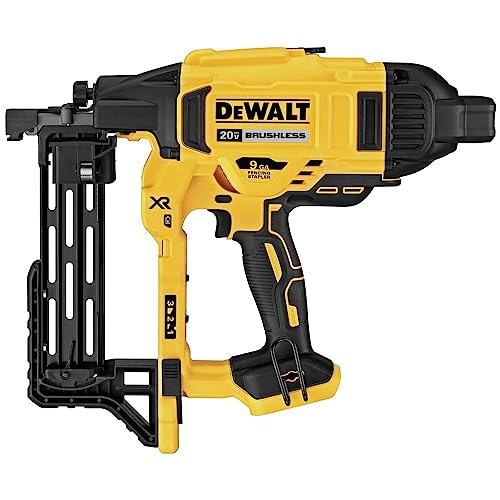
DeWalt DCFS950
Smooth-rod design for effortless, consistent bead control.
Why Safety Matters with a Caulking Gun
Caulking guns apply significant force to push sealant through a small nozzle. Without proper technique, you risk hand fatigue, uneven beads, and accidental spills of chemicals that can irritate skin or stain surfaces. Many caulks contain solvents or acrylics that require ventilation. Understanding the tool’s mechanics and your own physical limits is the first step to safe use.
Types of Caulking Guns and Their Safety Profiles
There are three main types: ratchet rod, smooth rod, and dripless. Ratchet rod guns use a clicking mechanism that can cause jerky motion and hand strain. Smooth rod guns, like the DeWalt DCFS950, allow continuous pressure for a steadier bead and less fatigue. Dripless models have a built-in release to stop flow instantly, reducing mess. For safety, smooth rod guns are recommended for beginners and extended use.
How to Use a Caulking Gun Safely: Step-by-Step
1. Prepare Your Work Area
Clear the area of obstacles. Lay down drop cloths to protect floors. Ensure good ventilation by opening windows or using a fan, especially if using solvent-based caulk. Wear gloves and safety glasses to prevent skin contact and eye irritation from splashes.
2. Load the Caulk Tube Correctly
Pull the rod back fully. Insert the tube with the nozzle facing forward. Push the rod forward until it engages the plunger. Check that the tube is seated firmly to avoid it slipping during use.
3. Cut the Nozzle at a 45-Degree Angle
Use a utility knife to cut the tip at a 45-degree angle. The cut size determines bead width: cut closer to the tip for a thin bead, or further back for a wider bead. Always cut cleanly to avoid jagged edges that cause uneven flow.
4. Puncture the Inner Seal
Many tubes have a foil seal inside the nozzle. Use a long nail or the built-in puncture tool on some guns to break this seal. If you skip this step, the caulk will not flow, and you may over-squeeze the trigger, causing the tube to burst.
5. Apply Steady Pressure
Position the nozzle at the gap. Squeeze the trigger smoothly while moving the gun at a consistent speed. For smooth rod guns, maintain even pressure on the rod. Release the trigger before stopping to prevent excess caulk from oozing out.
6. Release Pressure to Stop Flow
On a ratchet gun, push the release lever to disengage the rod. On a smooth rod gun, simply stop squeezing. For dripless models, the built-in mechanism stops flow automatically. Always wipe the nozzle immediately after use to prevent clogging.
What to Check Before Buying a Caulking Gun
- Rod Type: Smooth rod is safest for control. Ratchet rod is cheaper but harder on hands.
- Throat Depth: Ensure it accommodates standard 10 oz tubes. Some models handle larger 29 oz tubes.
- Build Material: Steel or aluminum frames are more durable and less likely to bend under pressure.
- Comfort Grip: Rubberized handles reduce slipping and hand fatigue.
- Dripless Feature: Useful for precise work and reducing cleanup time.
Mistakes to Avoid
- Not puncturing the seal: Leads to excessive force and potential tube rupture.
- Cutting the nozzle too large: Results in a messy, uncontrollable bead.
- Using a ratchet gun for long jobs: Causes hand cramps and inconsistent pressure.
- Ignoring ventilation: Solvent fumes can cause dizziness or respiratory issues.
- Storing caulk improperly: Temperature extremes can alter viscosity and cause splattering.
Best Caulking Guns for Safe Use
We analyzed owner reviews and brand reliability to recommend the following models. Each pick prioritizes safety features like smooth operation and ergonomic design.
DeWalt DCFS950
Best OverallPros
- Smooth, continuous pressure reduces fatigue
- Durable steel frame
- Ergonomic grip for comfort
Cons
- Higher price than ratchet models
- No built-in cutter
The DeWalt DCFS950 is a smooth-rod gun that eliminates the jerky motion of ratchet designs. Owner reviews consistently highlight its ability to produce a consistent bead with minimal hand strain, making it ideal for long sealing projects. The steel frame adds durability without excessive weight.
Its 10.5-inch throat depth accommodates standard tubes easily. Some users note the lack of a built-in nozzle cutter, but the overall build quality and 3-year warranty make it a reliable choice for DIYers and professionals alike.
Makita SG1500
Best for Heavy DutyPros
- All-metal construction for durability
- Comfortable rubber grip
- Works with large tubes
Cons
- Heavier than some competitors
- No dripless feature
The Makita SG1500 is built for tough jobs. Its all-metal frame withstands repeated use without flexing, and the rubber grip reduces hand strain. Owner reviews praise its ability to handle high-viscosity sealants like polyurethane without binding.
While it lacks a dripless mechanism, the smooth-rod design still offers good control. It is slightly heavier at 1.8 lbs, which may cause fatigue during very long sessions, but its durability makes it a favorite among contractors.

Ryobi P310
Best Budget Smooth RodPros
- Lightweight design
- Low price point
- Good for occasional use
Cons
- Plastic frame feels less durable
- Not ideal for heavy sealants
The Ryobi P310 is an affordable smooth-rod gun that offers decent control for light to medium tasks. Its lightweight plastic frame makes it easy to handle, and owner reviews note it works well with standard latex caulks.
However, the plastic construction may not hold up to frequent use or high-viscosity products. For occasional DIY projects, it provides good value without sacrificing the safety benefits of a smooth-rod mechanism.
Milwaukee 48-22-1110
Best DriplessPros
- Dripless mechanism stops flow instantly
- Lifetime warranty
- Steel frame with rubber grip
Cons
- Higher price
- Mechanism can be stiff initially
The Milwaukee 48-22-1110 features a dripless design that stops caulk flow the moment you release the trigger, reducing mess and waste. Owner reviews highlight its precise control and the peace of mind from a lifetime warranty.
The steel frame and rubber grip provide durability and comfort. Some users report the dripless mechanism requires a break-in period, but once loosened, it performs reliably. It is a top choice for those prioritizing cleanliness and control.
Stanley 28-090
Best Budget RatchetPros
- Very affordable
- Lightweight and easy to use
- Good for small projects
Cons
- Ratchet action can cause hand fatigue
- Less precise bead control
The Stanley 28-090 is a classic ratchet gun that is widely available and inexpensive. It is suitable for small jobs like sealing a single window or baseboard. Owner reviews appreciate its simplicity and low cost.
However, the ratchet mechanism requires more hand strength and can lead to inconsistent pressure, which may cause splatters. It is not recommended for large projects or users with hand sensitivity. For occasional use, it gets the job done safely with proper technique.
Safety Gear and Best Practices
Always wear nitrile gloves to protect your skin from caulk chemicals. Safety glasses prevent splashes to the eyes. Work in a well-ventilated area, especially when using solvent-based products. Keep a damp cloth handy to wipe excess caulk before it dries. Never point the nozzle toward your face or others when cutting or puncturing the seal.
How to Store a Caulking Gun Safely
After use, remove the caulk tube and clean the rod and nozzle with a damp cloth. For solvent-based caulks, use mineral spirits. Store the gun in a dry place to prevent rust. If the tube is partially used, seal the nozzle with tape or a nail to keep it from drying out.
Common Caulking Gun Injuries and Prevention
Hand cramps are the most common issue from prolonged squeezing. Switching to a smooth rod gun reduces this risk. Cuts can occur when cutting the nozzle with a utility knife; always cut away from your body. Chemical burns are rare but possible; wash skin immediately with soap and water if contact occurs.
| Product | Best For | Key Spec | Rating | Price |
|---|---|---|---|---|
| DeWalt DCFS950 | Overall Safety | Smooth Rod | 4.8/5 | Mid |
| Makita SG1500 | Heavy Duty | Smooth Rod | 4.7/5 | Mid |
| Ryobi P310 | Budget Smooth | Smooth Rod | 4.5/5 | Low |
| Milwaukee 48-22-1110 | Dripless | Dripless | 4.6/5 | High |
| Stanley 28-090 | Budget Ratchet | Ratchet | 4.3/5 | Low |
FAQs
What is the safest type of caulking gun?
Smooth rod guns are safest because they provide continuous pressure and reduce hand fatigue compared to ratchet models.
How do I prevent caulk from oozing after releasing the trigger?
Use a dripless gun or release the trigger slightly before stopping the bead to allow pressure to drop.
Can I use a caulking gun with one hand?
Yes, but it requires practice. Smooth rod guns are easier to control with one hand due to their consistent pressure.
What should I do if caulk gets on my skin?
Wash immediately with soap and water. For solvent-based caulks, use a hand cleaner or mineral spirits.
How do I cut the nozzle safely?
Use a sharp utility knife and cut at a 45-degree angle away from your body to avoid slips.
Why does my caulking gun drip after use?
This usually happens with ratchet guns. Switch to a dripless model or wipe the nozzle immediately after use.
Is it safe to use a caulking gun indoors?
Yes, but ensure good ventilation, especially with solvent-based caulks, to avoid inhaling fumes.
How do I clean a caulking gun?
Wipe the rod and frame with a damp cloth. For dried caulk, use mineral spirits or a scraper.
Can I reuse a caulking gun?
Yes, clean it thoroughly after each use. Check for rust or damage before reuse.
What is the best caulking gun for beginners?
The DeWalt DCFS950 is recommended for its smooth rod design and ergonomic grip, making it easy to control.
Our verdict
For safe and efficient caulking, the DeWalt DCFS950 is the best overall choice due to its smooth rod mechanism and ergonomic design. For budget-conscious users, the Ryobi P310 offers good control at a lower price, though it is less durable. Always prioritize smooth rod guns over ratchet models for reduced hand strain and better bead consistency.