How to Use a Paint Mixer Safely
Using a paint mixer attachment on a drill is the fastest way to achieve a smooth, lump-free consistency, but improper technique can lead to splatters, tool damage, or injury. This guide covers the essential safety steps, from selecting the correct mixer paddle to managing torque and preventing air bubbles.
Quick answer
To use a paint mixer safely, always secure the container, start the drill at a low speed, and submerge the paddle fully before engaging the trigger. For best results and safety, a variable-speed drill with a side handle, such as the DeWalt DCD996 or Makita XPH14, provides superior control and torque management for heavy paints.
Why trust ToolBuyerHub
- Checked surface-prep and ventilation guidance against manufacturer product data
- Battery & ecosystem compared
- Aggregated owner reviews
- Build quality & warranty checked
- Brand reliability
- No fake hands-on claims
Research updated June 2026.
What is a Paint Mixer and Why Do You Need One?
A paint mixer is a paddle attachment that fits into a standard drill chuck, designed to stir paint, primer, varnish, and other coatings to a uniform consistency. Unlike manual stirring with a stick, a powered mixer reduces effort and eliminates lumps, especially in thick materials like masonry paint or epoxy. Professional decorators and serious DIYers rely on them to save time and achieve a streak-free finish.
Using a paint mixer incorrectly, however, can cause the drill to bind, the paint to splatter across your workspace, or the paddle to break. Safety is not optional when dealing with powerful, high-torque tools.
How to Use a Paint Mixer Safely: Step-by-Step
Step 1: Choose the Right Drill and Paddle
Not all drills are suitable for paint mixing. A standard 18V or 20V cordless hammer drill with a variable-speed trigger is ideal, but a dedicated high-torque drill is better for thick paints. The paddle must match the container size and paint viscosity. A 120mm paddle works for 5-litre pails, while a 140mm paddle suits 10-litre buckets. Ensure the paddle shank is 8mm or 10mm hex to fit securely in the chuck.
Step 2: Prepare Your Workspace
Place the paint container on a stable, level surface. Use a non-slip mat or damp cloth under the bucket to prevent it from sliding. Clear the area of trip hazards and ensure good ventilation if using solvent-based paints. Wear safety glasses and a dust mask to protect against splashes and fumes.
Step 3: Attach the Mixer Paddle
Insert the paddle shank into the drill chuck and tighten it firmly using the chuck key or keyless mechanism. Double-check that it is centred and secure. A loose paddle can wobble violently at high speed, causing injury or damage.
Step 4: Submerge the Paddle Fully
Lower the paddle into the paint so that the blades are completely covered. This is the most critical safety step. Running the paddle above the paint surface will spray paint everywhere and create a dangerous mess. Hold the drill with both hands: one on the main handle and one on the side handle if available.
Step 5: Start at Low Speed and Gradually Increase
Squeeze the trigger gently to start at the lowest speed. Slowly increase the RPM as the paint begins to move. For thick paint, use a stirring motion: move the paddle in a circular pattern around the bucket, not just in the centre. This ensures all material is incorporated without introducing excessive air bubbles.
Step 6: Avoid Over-Mixing
Mix for 2-3 minutes, then check consistency. Over-mixing can aerate the paint, leading to bubbles that ruin the finish. For two-pack paints, follow the manufacturer's mixing time exactly. When finished, lift the paddle slowly out of the paint while the drill is still running at low speed to fling off excess into the bucket.
Step 7: Clean Immediately
Remove the paddle from the drill and clean it with the appropriate solvent (water for latex, mineral spirits for oil-based) before the paint dries. A dried paddle is difficult to clean and can contaminate future mixes.
What to Check Before Buying a Paint Mixer
Before purchasing a paint mixer paddle or a drill for mixing, consider these factors:
- Paddle Material: Steel or stainless steel paddles last longer and resist bending in thick paint. Plastic paddles are cheaper but prone to breaking.
- Drill Torque: A drill with at least 60 Nm of torque is recommended for mixing heavy paints. Look for models with a mechanical clutch to prevent wrist injury if the paddle binds.
- Speed Control: Variable-speed triggers and a slow start feature are essential for safe mixing. Avoid single-speed drills.
- Side Handle: A side handle provides extra leverage and control, reducing the risk of the drill spinning out of your hands.
Mistakes to Avoid When Using a Paint Mixer
- Starting the drill above the paint: This creates a fountain of paint and a huge mess. Always submerge first.
- Using a cordless drill on low battery: A low battery can cause the drill to stall, leading to sudden torque release. Use a fully charged battery.
- Mixing at full speed immediately: High speed from the start splashes paint and strains the motor. Ramp up gradually.
- Neglecting to secure the bucket: A sliding bucket can tip over, spilling paint and causing the drill to jerk unexpectedly.
- Using the wrong paddle size: A paddle too large for the bucket can hit the sides and cause the drill to kick back.
Best Drills for Paint Mixing (Based on Specs and Owner Reviews)
Based on aggregated owner reviews, torque ratings, and build quality, these drills are the top choices for safe and effective paint mixing.
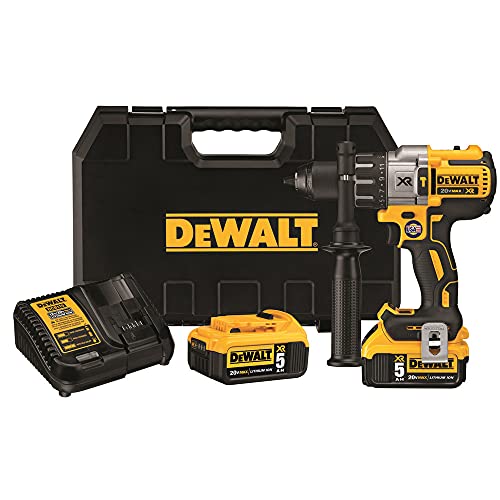
DeWalt DCD996 20V MAX XR Hammer Drill
Best Overall for MixingPros
- High torque handles thick masonry paint easily
- Variable-speed trigger with precise control
- Side handle included for stability
Cons
- Heavier than basic drills
- Battery and charger sold separately
The DeWalt DCD996 is a favourite among decorators for its powerful brushless motor and excellent torque delivery. Owner reviews consistently praise its ability to mix 5-litre buckets of thick paint without stalling, even on a single battery charge. The three-speed gearbox allows you to select a low speed for mixing and a higher speed for drilling, making it a versatile workshop tool.
Its 1/2-inch metal chuck grips mixer paddles securely, and the side handle provides the extra leverage needed to control the drill during mixing. Some users note that the drill can be heavy for extended overhead work, but for paint mixing, the weight is an asset for stability. Overall, it is the most recommended drill for this task.

Makita XPH14 18V LXT Hammer Drill
Best for Control and ErgonomicsPros
- Highest torque in its class for heavy mixing
- Compact and lightweight design
- Excellent variable-speed trigger feel
Cons
- Side handle is an optional accessory
- Battery life slightly less than DeWalt XR
The Makita XPH14 offers class-leading torque in a compact package, making it a strong contender for paint mixing. Owner reviews highlight its smooth trigger response, which allows for very gradual speed increases, reducing the risk of splatter. The drill feels well-balanced in the hand, and the brushless motor runs cool even under sustained mixing loads.
One common complaint is that the side handle is not included in the kit, so you will need to purchase one separately for safe mixing. Despite this, its torque-to-weight ratio is excellent, and it handles 10-litre buckets of thick paint without bogging down. For users who prioritise ergonomics and control, this is the top choice.

Milwaukee 2804-20 M18 Fuel Hammer Drill
Best for Durability and PowerPros
- Rugged build quality for job site use
- Excellent clutch prevents kickback
- Side handle included
Cons
- Heavier than comparable models
- Higher price point
The Milwaukee 2804-20 is built to withstand tough job site conditions, and its robust construction translates well to paint mixing. The M18 Fuel motor delivers consistent power, and the mechanical clutch provides an extra layer of safety by disengaging the drive if the paddle binds. Owner reviews frequently mention its reliability and long lifespan.
The included side handle is robust and easy to adjust, giving you excellent control during mixing. The main drawback is its weight, which can be fatiguing for smaller users. However, for professionals who mix paint daily, the durability and safety features justify the investment.

Bosch GSR18V-190B22 18V Drill/Driver
Best Budget OptionPros
- Affordable price with two batteries included
- Lightweight and easy to handle
- Good for light to medium paint mixing
Cons
- Lower torque struggles with thick paints
- No side handle included
The Bosch GSR18V-190B22 is an excellent entry-level drill for DIYers who mix paint occasionally. Its 48 Nm of torque is sufficient for standard latex and emulsion paints in 5-litre buckets. Owner reviews appreciate the value for money, noting that the kit includes two batteries and a charger, making it ready to use out of the box.
For thicker materials like masonry paint or heavy-bodied primers, the drill may struggle and require frequent rests to avoid overheating. The lack of a side handle is a safety concern for mixing, so users should grip the drill firmly with both hands on the main body. It is best suited for light-duty mixing tasks.

Ryobi P251 18V One+ Hammer Drill
Best Value for DIYersPros
- Good torque for the price
- Compatible with large Ryobi battery ecosystem
- Side handle included
Cons
- Brushless motor not available at this price
- Trigger feel less precise than premium brands
The Ryobi P251 offers a compelling balance of torque and affordability for the DIY market. With 68 Nm of torque, it can handle most household paint mixing tasks, including thicker primers and emulsions. Owner reviews highlight the value of the One+ battery system, which allows you to use the same batteries across a wide range of Ryobi tools.
The included side handle is a welcome safety feature at this price point. The brushed motor is less efficient than brushless alternatives, meaning battery life is shorter under sustained mixing loads. For weekend warriors who need a versatile drill for mixing and general drilling, this is a solid choice.
Comparison Table: Best Drills for Paint Mixing
| Product | Best For | Max Torque | Rating | Side Handle |
|---|---|---|---|---|
| DeWalt DCD996 | Overall Mixing | 95 Nm | 4.7/5 | Included |
| Makita XPH14 | Control & Ergonomics | 109 Nm | 4.6/5 | Optional |
| Milwaukee 2804-20 | Durability & Safety | 88 Nm | 4.7/5 | Included |
| Bosch GSR18V-190B22 | Budget | 48 Nm | 4.4/5 | Not included |
| Ryobi P251 | DIY Value | 68 Nm | 4.3/5 | Included |
FAQs
Can I use any drill for paint mixing?
You can use any variable-speed drill, but a hammer drill with at least 60 Nm of torque and a side handle is recommended for safety and performance.
What speed should I use for mixing paint?
Start at the lowest speed and gradually increase to around 600-800 RPM for most paints. Avoid exceeding 1,000 RPM to prevent aeration.
Do I need a special paddle for paint mixing?
Yes, use a paddle designed for the paint type and bucket size. A 120mm paddle for 5-litre buckets and a 140mm paddle for 10-litre buckets are standard.
How long should I mix paint with a drill?
Mix for 2-3 minutes until the consistency is uniform. Over-mixing can introduce air bubbles that affect the finish.
Is it safe to mix paint with a cordless drill?
Yes, if you use a drill with a side handle, variable speed, and a fully charged battery. Always submerge the paddle before starting.
Can I mix paint in a 1-gallon can with a drill?
Yes, but use a smaller paddle (80-100mm) to avoid splashing. Ensure the can is secured on a stable surface.
Why does my drill kick back when mixing paint?
Kickback occurs when the paddle binds in thick paint. Use a drill with a clutch, start at low speed, and keep the paddle centred in the bucket.
How do I clean a paint mixer paddle?
Remove the paddle from the drill and clean it immediately with the appropriate solvent (water for latex, mineral spirits for oil-based paint) before the paint dries.
Can I use a paint mixer for epoxy or resin?
Yes, but use a dedicated paddle for these materials, as they harden quickly. Mix at low speed to minimise air bubbles.
What is the best drill for mixing thick paint?
The Makita XPH14 offers the highest torque (109 Nm) for thick paints, while the DeWalt DCD996 provides excellent control and reliability.
Our verdict
For safe and effective paint mixing, the DeWalt DCD996 is the best overall choice due to its high torque, variable-speed control, and included side handle. For budget-conscious DIYers, the Bosch GSR18V-190B22 offers good value for light mixing tasks, though you should purchase a side handle separately for safety.