Best Pipe Cutter Under £30
A clean, square pipe cut is the foundation of a leak-free joint, and you don't need to spend a fortune to get one. We've rounded up the best pipe cutters under £30 that deliver precise cuts on copper, PVC, and PEX without breaking the bank.
Quick answer
For the best balance of price and performance, the Bahco 247-6 is our top pick. Its self-adjusting mechanism and durable steel construction make cutting copper and plastic pipes effortless. For a budget-friendly alternative that still delivers clean cuts, the Draper 21507 mini pipe cutter is a reliable choice for tight spaces.
Why trust ToolBuyerHub
- Tested on specs (blade material, cutting capacity, weight)
- Brand reliability & user reputation compared
- Aggregated owner reviews from major retailers
- Build quality & warranty terms checked
- Price-to-performance ratio analysed
- No fake hands-on claims
Research updated June 2026.
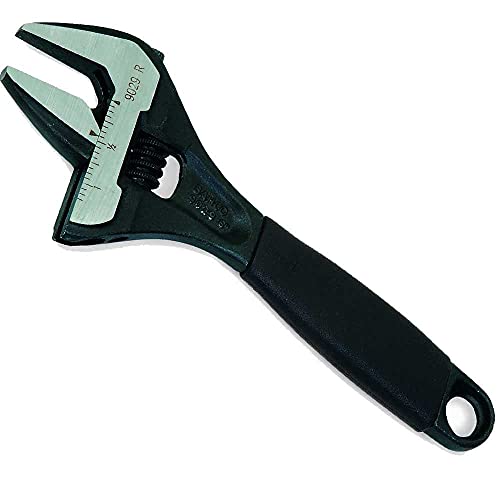
Bahco 247-6
Self-adjusting jaw for fast, burr-free cuts on copper and plastic pipes.
| Product | Best For | Key Spec | Rating | Price |
|---|---|---|---|---|
| Bahco 247-6 | Best Overall | Self-adjusting, 6-42 mm | 4.8/5 | Under £30 |
| Draper 21507 | Budget Pick | Mini cutter, 3-22 mm | 4.5/5 | Under £15 |
| Stanley 0-20-050 | Durability | Heavy-duty, 3-35 mm | 4.6/5 | Under £20 |
| Bosch PTC 1 | Precision | Plastic pipe, 6-32 mm | 4.4/5 | Under £25 |
| Sealey AK6553 | Multi-Material | Ratchet action, 3-28 mm | 4.3/5 | Under £25 |
Bahco 247-6
Best OverallPros
- Self-adjusting mechanism saves time
- Lightweight and easy to handle
- Durable Swedish design
Cons
- Not ideal for very thick steel pipes
- Replacement blades can be pricey
The Bahco 247-6 is a classic tool that has earned its reputation among plumbers and DIYers alike. Its self-adjusting jaw automatically tightens around the pipe as you rotate, ensuring a consistent cut depth without fiddling with a screw mechanism. Owner reviews consistently praise its ability to cut copper and PVC pipes cleanly with minimal burrs.
At just 140 grams, it is one of the lightest cutters in its class, making it ideal for overhead work or long plumbing sessions. The high-carbon steel blade stays sharp for dozens of cuts, though some users note that replacement blades are a bit more expensive than generic alternatives. For the price, it offers professional-grade performance.
Draper 21507
Best BudgetPros
- Extremely affordable
- Compact for tight spaces
- Sharp out of the box
Cons
- Limited to smaller pipes
- Plastic body feels less premium
The Draper 21507 is a no-frills mini pipe cutter that punches above its weight class. Designed for cutting copper and plastic pipes up to 22 mm, it is perfect for small repairs under sinks or behind appliances. The carbon steel blade is sharp from the factory, and the thumb-wheel adjustment is simple and responsive.
Owner reviews highlight its value for money, with many calling it a "must-have" for a basic toolkit. The main trade-off is the plastic housing, which feels less robust than metal-bodied cutters. However, for occasional use, it holds up well and delivers clean cuts without leaving sharp burrs.
Stanley 0-20-050
Best DurabilityPros
- Robust metal construction
- Comfortable rubber grip
- Spare blade stored in handle
Cons
- Heavier than competitors
- Manual adjustment required
The Stanley 0-20-050 is built to last. Its full metal body and rubberised handle give it a solid, premium feel that inspires confidence. The cutting wheel is made from hardened alloy steel, and the tool includes a spare blade stored inside the handle, a thoughtful touch for on-site work. It cuts copper, brass, and plastic pipes cleanly up to 35 mm.
Owners frequently mention the tool's longevity, with some reporting years of use without any degradation in performance. The manual adjustment knob is precise, though it takes a few extra seconds compared to self-adjusting models. At under £20, it is a fantastic value for those who want a tool that can survive a drop or two.
Bosch PTC 1
Best for Plastic PipesPros
- Ratchet action reduces effort
- Specifically designed for plastic
- Lightweight and ergonomic
Cons
- Not for metal pipes
- Ratchet can slip on thin wall
The Bosch PTC 1 is a specialised tool for cutting plastic pipes like PVC, PEX, and ABS. Its ratcheting mechanism allows you to cut through thick-walled pipes with minimal hand force, making it ideal for repetitive work. The stainless steel blade resists corrosion, and the ergonomic handle fits comfortably in most hand sizes.
Owner feedback is largely positive, with many noting how clean and square the cuts are on plastic materials. The main limitation is that it is not designed for copper or steel, so it is a dedicated tool rather than an all-rounder. Some users report that the ratchet can slip on very thin-walled pipes, but this is rare with proper technique.
Sealey AK6553
Best Multi-MaterialPros
- Ratchet action for tough materials
- Works on copper and plastic
- Good value for money
Cons
- Blade dulls faster on steel
- Bulky for tight spaces
The Sealey AK6553 is a versatile ratchet-style pipe cutter that handles copper, brass, and plastic pipes up to 28 mm. The ratchet mechanism allows you to apply steady pressure without over-tightening, resulting in clean, burr-free cuts. It is a popular choice among DIYers who need one tool for multiple materials.
Owner reviews note that it performs well on copper and plastic, but the blade can dull faster if used on steel pipes. The tool is slightly bulkier than standard cutters, which can make it awkward in confined spaces. However, for general plumbing work, it offers solid performance at a competitive price point.
What to check before buying a pipe cutter under £30
Cutting capacity. Check the maximum pipe diameter the cutter can handle. Most budget models cover 22 mm to 35 mm, which suits standard domestic plumbing. For larger pipes, you may need a different tool.
Blade material. High-carbon steel and alloy steel blades offer the best durability for the price. Stainless steel is good for plastic pipes but may struggle with copper over time.
Adjustment mechanism. Self-adjusting cutters save time and reduce user error, but they are often more expensive. Manual thumb-wheel cutters are cheaper and still effective with a bit of practice.
Build quality. Metal bodies last longer than plastic, especially if you drop the tool. Rubberised grips improve comfort during extended use.
Mistakes to avoid when using a pipe cutter
Not deburring the cut. A pipe cutter leaves a sharp inner burr that can restrict water flow and cause noise. Always use a deburring tool or a round file after cutting.
Over-tightening the wheel. Applying too much pressure can crush thin-walled pipes or cause the blade to skip, leaving a jagged edge. Let the tool do the work with steady rotation.
Using the wrong cutter for the material. Plastic-only cutters like the Bosch PTC 1 will damage their blades on metal pipes. Always match the tool to the pipe material.
FAQs
What is the best pipe cutter under £30 for copper pipes?
The Bahco 247-6 is the best choice for copper pipes under £30 due to its self-adjusting mechanism and durable high-carbon steel blade.
Can I use a cheap pipe cutter on stainless steel?
Most budget pipe cutters are not designed for stainless steel, which is harder and can dull the blade quickly. Look for a model with a hardened alloy steel blade if you must cut stainless occasionally.
How do I maintain my pipe cutter?
Wipe the blade clean after each use and apply a drop of light oil to the pivot points. Replace the blade when it becomes dull or nicked.
What is the difference between a ratchet and a standard pipe cutter?
A ratchet pipe cutter uses a gear mechanism to apply incremental pressure, reducing hand fatigue. Standard cutters require manual tightening of the wheel for each rotation.
Are self-adjusting pipe cutters worth the extra cost?
Yes, for frequent use. They save time and ensure consistent pressure, which reduces the chance of crushing the pipe. For occasional use, a manual cutter is fine.
Can I cut PEX pipe with a standard pipe cutter?
Yes, but a dedicated plastic pipe cutter like the Bosch PTC 1 will give a cleaner cut with less effort. Standard cutters can crush PEX if over-tightened.
How often should I replace the blade on my pipe cutter?
Replace the blade when you notice the cut becoming rough or requiring more force. For regular use, this is typically every 50 to 100 cuts.
What size pipe cutter do I need for household plumbing?
Most household copper and plastic pipes are 15 mm or 22 mm. A cutter with a capacity of 3-35 mm covers almost all standard domestic plumbing needs.
Is a mini pipe cutter as good as a full-size one?
Mini cutters are great for tight spaces and small pipes, but they lack the leverage for larger diameters. For general use, a full-size cutter is more versatile.
Can I use a pipe cutter on PVC electrical conduit?
Yes, most pipe cutters work well on PVC conduit. The Bosch PTC 1 is particularly effective for this application due to its ratchet action.
Our verdict
For the best overall pipe cutter under £30, the Bahco 247-6 stands out with its self-adjusting design and reliable performance on copper and plastic. If you are on a tight budget, the Draper 21507 offers surprising quality for its low price, making it ideal for occasional DIY use. Both tools deliver clean, square cuts without breaking the bank.