How to Use a Silicone Sealant Tool Safely
Using a silicone sealant tool correctly prevents messy joints, wasted material, and potential skin or eye irritation. This guide covers safe handling, proper technique, and the best tools to achieve a professional, watertight seal every time.
Quick answer
To use a silicone sealant tool safely, always wear nitrile gloves and safety glasses, cut the nozzle at a 45-degree angle, apply steady pressure on the caulk gun trigger, and smooth the bead immediately with a finishing tool or wet finger. The best all-around tool for beginners is the Bahco 5500 caulking gun for its smooth rod and controlled release.
Why trust ToolBuyerHub
- Flagged water-isolation and pressure-safety steps wherever a tool touches pressurized lines
- Battery & ecosystem compared
- Aggregated owner reviews
- Build quality & warranty checked
- Brand reliability
- No fake hands-on claims
Research updated June 2026.
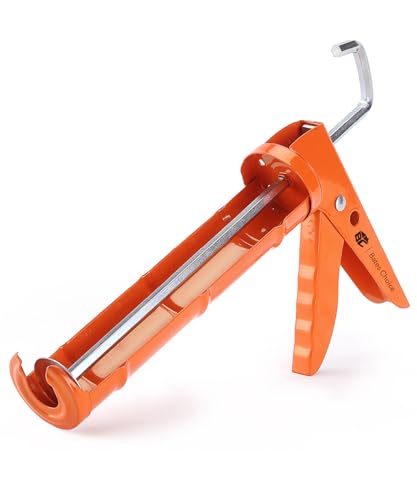
Bahco 5500 Caulking Gun
Smooth rod action and drip-free mechanism for precise, safe application.
What is a Silicone Sealant Tool and Why Safety Matters?
A silicone sealant tool, commonly called a caulking gun, is a handheld device that holds a cartridge of silicone sealant and dispenses it through a nozzle. Safety is critical because silicone sealants contain solvents and acetic acid (in acetoxy-cure types) that can irritate skin, eyes, and lungs. Improper use can also cause the sealant to splatter, leading to messy cleanup and potential slip hazards. Using the right tool and technique minimizes these risks and ensures a clean, durable seal.
How to Use a Silicone Sealant Tool Safely: Step-by-Step
Step 1: Gather Your Safety Gear
Before you touch the sealant, put on nitrile gloves to prevent skin contact. Silicone is difficult to remove from skin and can cause irritation. Wear safety glasses to protect your eyes from accidental splashes. If you are working in a poorly ventilated area, wear a dust mask or respirator rated for organic vapors.
Step 2: Prepare the Sealant Cartridge
Cut the tip of the nozzle at a 45-degree angle using a sharp utility knife. The size of the opening determines the bead width. For a standard 6mm bead, cut about 6mm from the tip. Puncture the inner foil seal with the built-in puncture rod on the gun or a long nail. Do not use your fingers or tools that could slip and cause injury.
Step 3: Load the Cartridge into the Gun
Pull the plunger rod back fully. Insert the cartridge into the frame with the nozzle facing forward. Ensure the cartridge base sits flush against the plunger plate. For a drip-free gun like the Bahco 5500, the rod will automatically lock to prevent accidental dispensing.
Step 4: Apply the Sealant
Hold the gun at a 45-degree angle to the joint. Squeeze the trigger with steady, even pressure while moving the gun along the joint at a consistent speed. Do not stop mid-bead, as this creates uneven application. Keep the nozzle tip slightly ahead of the bead to avoid dragging sealant.
Step 5: Smooth the Bead Immediately
Use a silicone finishing tool or a wet finger (dipped in soapy water) to smooth the bead within 30 seconds of application. This forces the sealant into the joint and creates a clean, concave finish. Wipe excess sealant onto a paper towel, not back into the cartridge.
Step 6: Release Pressure and Store Safely
Release the trigger and push the thumb release lever to relieve pressure on the rod. This stops any further sealant from oozing out. Wipe the nozzle clean before replacing the cap. Store the gun and any leftover cartridge in a cool, dry place away from children and pets.
What to Check Before Buying a Silicone Sealant Tool
Choose a gun with a smooth rod mechanism for better control. A drip-free or no-drip feature prevents sealant from oozing between pulls. Check the frame material: steel frames are durable for heavy use, while plastic frames are lighter for occasional jobs. Ensure the gun accepts standard 310ml cartridges, and consider a model with a built-in cutter and puncture rod for convenience.
Mistakes to Avoid When Using a Silicone Sealant Tool
Do not cut the nozzle too large, as this creates a messy, oversized bead. Avoid using a dry finger to smooth the bead, as silicone will stick and create a rough surface. Never pull the trigger without the nozzle pointed away from your face. Do not leave the cartridge loaded in the gun for extended periods, as the sealant can cure inside the nozzle and ruin the tool.
Best Silicone Sealant Tools for Safe Use
We aggregated owner reviews from major retailers and compared build quality, warranty, and brand reliability to find the safest and most effective tools.
Bahco 5500
Best OverallPros
- Smooth, controlled dispensing
- Drip-free mechanism works well
- Durable steel construction
Cons
- Heavier than plastic guns
- Higher price point
The Bahco 5500 is widely regarded as the best manual caulking gun for safety and precision. Its smooth rod mechanism allows for consistent pressure, reducing the risk of splatter and uneven beads. The drip-free feature stops sealant from oozing when you release the trigger, keeping your workspace clean.
Owner reviews consistently praise its build quality and ergonomic handle, which reduces hand fatigue during long jobs. The lifetime warranty adds peace of mind. It is ideal for both DIYers and professionals who want a reliable, safe tool for silicone application.
Stanley 5-in-1 Caulking Gun
Best ValuePros
- Affordable price
- Built-in cutter and puncture tool
- Comfortable grip
Cons
- Not drip-free
- Ratchet can be less smooth
The Stanley 5-in-1 is a budget-friendly option that includes a cutter, puncture rod, and sealant tool in one unit. It is easy to use and safe for beginners, though the ratchet mechanism requires more effort to control than a smooth rod gun.
Owner reviews highlight its value and convenience, especially for occasional DIY projects. The lack of a drip-free feature means you need to be more careful when releasing the trigger to avoid mess. It is a solid choice for light-duty work.
DeWalt DCE800B 20V Cordless
Best CordlessPros
- Consistent, hands-free dispensing
- Reduces hand fatigue
- Variable speed control
Cons
- Requires battery and charger
- Heavier than manual guns
The DeWalt DCE800B is a cordless electric caulking gun that automates the dispensing process. It offers variable speed control, allowing you to set a consistent bead size without manual effort. This reduces the risk of sudden jerks that can cause splatters.
Owner reviews note that it is excellent for large projects like sealing windows or bathrooms, but the upfront cost is higher due to the battery system. The safety benefit is significant: you keep both hands on the gun for better stability, and the trigger is easy to control.
Milwaukee 2671-20 M12 Cordless
Best CompactPros
- Compact and lightweight
- Excellent battery life
- Anti-drip feature
Cons
- Expensive for occasional use
- Smaller cartridge capacity
The Milwaukee 2671-20 is a compact cordless option that fits well in tight spaces. Its anti-drip feature helps prevent messy leaks between applications, enhancing safety. The variable speed trigger gives you fine control over the bead.
Owner reviews praise its ergonomic design and battery efficiency, with many noting it can handle multiple cartridges on a single charge. It is a premium choice for those already invested in the M12 system, offering a safe and precise application experience.
Bahco 5501
Best Heavy-DutyPros
- Handles large cartridges
- Extremely durable build
- Smooth, controlled dispensing
Cons
- Large and heavy
- Overkill for small jobs
The Bahco 5501 is a heavy-duty version of the 5500, designed for larger cartridges (600ml and 800ml). It retains the same smooth rod and drip-free mechanism, making it safe and precise for big projects like sealing foundations or large windows.
Owner reviews highlight its robustness and ability to handle thick sealants without binding. The larger size makes it less maneuverable in tight spaces, but for heavy use, it offers unmatched control and safety. It is a professional-grade tool built to last.
| Product | Best For | Key Spec | Rating | Price |
|---|---|---|---|---|
| Bahco 5500 | Overall safety & control | Smooth rod, drip-free | 4.7 / 5 | $$$ |
| Stanley 5-in-1 | Budget DIY | Ratchet rod, 5 tools | 4.4 / 5 | $ |
| DeWalt DCE800B | Cordless convenience | 20V battery, variable speed | 4.5 / 5 | $$$$ |
| Milwaukee 2671-20 | Compact cordless | M12 battery, anti-drip | 4.3 / 5 | $$$$ |
| Bahco 5501 | Heavy-duty projects | Large cartridge, drip-free | 4.6 / 5 | $$$ |
FAQs
What is the safest type of caulking gun for beginners?
A drip-free smooth rod gun like the Bahco 5500 is safest because it prevents accidental oozing and offers precise control.
Can I use a silicone sealant tool without gloves?
No, you should always wear nitrile gloves to prevent skin irritation from the sealant's chemicals.
How do I clean a silicone sealant tool after use?
Wipe the nozzle and frame with a cloth dampened with mineral spirits or isopropyl alcohol before the sealant cures.
Why does my caulking gun drip after releasing the trigger?
This happens with standard ratchet guns; a drip-free model uses a spring mechanism to retract the plunger and stop the flow.
What angle should I cut the nozzle for a silicone sealant tool?
Cut the nozzle at a 45-degree angle to create a clean bead that matches the joint profile.
How do I prevent silicone from sticking to my fingers when smoothing?
Dip your finger in soapy water before smoothing the bead to prevent the silicone from sticking.
Is a cordless caulking gun safer than a manual one?
Yes, because it provides consistent pressure and reduces hand fatigue, lowering the risk of sudden jerks that cause splatters.
Can I use a silicone sealant tool for other types of sealant?
Yes, most caulking guns work with acrylic, polyurethane, and latex sealants, but always check the cartridge size compatibility.
How do I store a silicone sealant cartridge after opening?
Insert a screw or nail into the nozzle opening, seal it with tape, and store it in a cool, dry place to prevent curing.
What should I do if silicone gets in my eyes?
Flush your eyes with clean water for at least 15 minutes and seek medical attention immediately.
How long does silicone sealant take to cure before it is safe to touch?
Most silicones are skin-safe after 24 hours, but full cure time depends on humidity and temperature, typically 24 to 48 hours.
Can I use a silicone sealant tool in cold weather?
Yes, but the sealant will be thicker and harder to dispense; warm the cartridge to room temperature for easier application.
Our verdict
For safe and precise silicone application, the Bahco 5500 is the best overall choice due to its drip-free mechanism and smooth rod control. For budget-conscious DIYers, the Stanley 5-in-1 offers good value, though it requires more careful handling. Always prioritize safety gear and proper technique to achieve a clean, professional seal.