Best Cordless Drills for DIY Home Projects
A cordless drill is the first power tool most homeowners buy, and the right one can handle everything from hanging shelves to assembling furniture without dragging an extension cord around. The trick is matching voltage, chuck size, and battery platform to the work you actually do, not the work you imagine doing.
Quick answer
The DeWalt DCD771C2 20V MAX Compact Drill/Driver is the best overall pick for most DIY home projects thanks to its balance of power, size, and widely supported 20V MAX battery platform.
Why trust ToolBuyerHub
- Cross-checked manufacturer-published specifications before writing any recommendation
- Verified US market availability and configuration for every model discussed
- Owner-feedback themes are summarized as feedback, never presented as our own hands-on testing
- No invented star ratings; see the visible Research Score criteria on this page
- Checked accessory compatibility and guarding before ranking any cutting or grinding tool
- Battery platform longevity matters more than peak torque for DIY buyers, so we weight whether a drill shares batteries with a brand's broader lineup of saws, sanders, and outdoor tools.
Research updated September 2026.
What Matters Most for This Category
For most DIY projects, a 20V-class drill with a 1/2-inch keyless chuck and two included batteries covers 90 percent of tasks. Brushless motors run cooler and last longer but cost more, while brushed motors are fine for occasional use. Check that the battery platform has other tools you might want later, since staying within one brand saves money on batteries over time.
| Model | Best for | Key specs | Research Score |
|---|---|---|---|
| DeWalt DCD771C2 20V MAX Compact Drill/Driver | Best Overall | 20V MAX, 1/2 in. keyless | 94/100 |
| Makita XFD131 18V LXT 1/2 in. Driver-Drill | Best for Battery Ecosystem | 18V LXT, 1/2 in. keyless | 92/100 |
| Bosch GSR12V-300B22 12V Max Brushless Drill/Driver | Best Compact | 12V Max, 3/8 in. keyless | 90/100 |
| Ryobi PCL206K1 18V ONE+ Cordless Drill/Driver | Best Value | 18V, 1/2 in. keyless | 89/100 |
| Milwaukee M12 FUEL 3401-22 12V Hammer Drill/Driver | Best 12V Power | 12V, 1/2 in. keyless | 88/100 |
| Black+Decker BDCDD12C 12V MAX Cordless Drill | Best Budget | 12V MAX, 3/8 in. keyless | 84/100 |
| Craftsman CMCD700C1 V20 Cordless Drill/Driver | Best for Beginners | 20V MAX, 1/2 in. keyless | 82/100 |
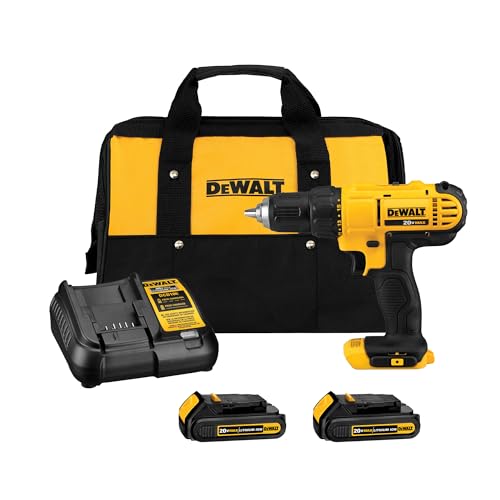
DeWalt DCD771C2 20V MAX Compact Drill/Driver
Top pickPros
- Shares DeWalt 20V MAX batteries with a huge tool lineup
- Compact and light enough for overhead work
- Two batteries included means less downtime
Cons
- Brushed motor, not brushless
- No hammer function
This is the drill most homeowners end up keeping for years because it does the basics well and the battery platform opens the door to dozens of other tools. It has enough torque for driving long screws into studs and a clutch with multiple settings to avoid stripping smaller screws.

Makita XFD131 18V LXT 1/2 in. Driver-Drill
Ecosystem kingPros
- Brushless motor for longer runtime
- LXT platform covers hundreds of tools
- Excellent build quality
Cons
- Higher upfront cost than entry-level kits
- Batteries are expensive to replace
Makita's LXT line is one of the deepest cordless platforms available, so this drill is a smart entry point if you plan to add more tools over time. The brushless motor delivers efficient power and the drill feels refined in hand.

Bosch GSR12V-300B22 12V Max Brushless Drill/Driver
Small but capablePros
- Very light and easy to control
- Brushless motor punches above its class
- Great for cabinet and furniture work
Cons
- 3/8 in. chuck limits some bits
- Not ideal for heavy framing
A 12V drill is often the better pick for indoor DIY because it is lighter and easier to maneuver in tight spaces. This Bosch model uses a brushless motor to squeeze more performance out of the smaller battery.

Ryobi PCL206K1 18V ONE+ Cordless Drill/Driver
Budget friendlyPros
- Low entry price
- ONE+ platform has enormous tool selection
- Easy to find replacement batteries
Cons
- Only one battery in this kit
- Brushed motor
Ryobi's ONE+ system is popular with DIYers because the batteries fit a huge range of affordable tools. This drill covers standard home tasks without a big investment.

Milwaukee M12 FUEL 3401-22 12V Hammer Drill/Driver
Pocket rocketPros
- Hammer function in a compact body
- Brushless FUEL motor
- Good for small masonry tasks
Cons
- Premium price for a 12V tool
- Hammer mode is light duty
Milwaukee's M12 FUEL line packs surprising power into small tools, and this hammer drill can handle light masonry work that a standard drill cannot. It is a good fit for apartment dwellers or anyone short on storage space.
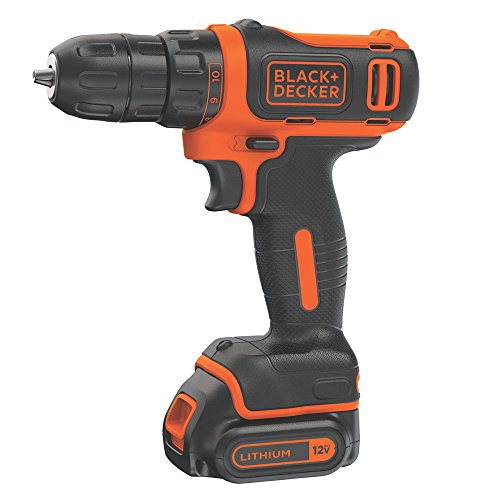
Black+Decker BDCDD12C 12V MAX Cordless Drill
Cheap and cheerfulPros
- Very low price
- Lightweight
- Fine for light household tasks
Cons
- Limited power
- Single battery
- Not for repeated heavy use
This drill is aimed at occasional users who need to tighten a loose cabinet screw or assemble flat-pack furniture. It will not replace a full-size drill for serious projects.

Craftsman CMCD700C1 V20 Cordless Drill/Driver
Simple starterPros
- Affordable 20V option
- Familiar brand for many homeowners
- Simple controls
Cons
- Only one battery included
- Brushed motor
Craftsman's V20 line gives beginners a recognizable brand at a budget price. The drill handles basic driving and drilling tasks around the house.
Who Should Avoid the Top Pick
Skip cordless drills if your only projects involve drilling into concrete or masonry walls regularly, since a corded hammer drill or rotary hammer will do that job far better. Also avoid ultra-cheap no-name drills with proprietary batteries, because replacements are often hard to find and the tools rarely last.
Before You Buy
Decide which battery platform you want to commit to, since batteries are often the most expensive part of a cordless system. Check whether the kit includes one or two batteries, whether the chuck is 1/2 inch or 3/8 inch, and whether you need a hammer function. For most homeowners, a 20V brushless drill with two batteries is the sweet spot.
FAQs
Do I need a brushless drill?
Brushless motors are more efficient, run cooler, and last longer, but a brushed drill is fine for occasional DIY use. If you plan to use the drill often or want maximum runtime per charge, brushless is worth the extra cost.
What voltage is best for home projects?
12V drills are light and great for indoor tasks, while 20V and 18V drills offer more power for driving long screws and drilling larger holes. Most homeowners are happiest with a 20V-class drill.
Do I need a hammer drill?
Only if you drill into brick, block, or concrete. A standard drill handles wood, metal, and drywall. Hammer drills add a pulsing action for masonry but are heavier and cost more.
How many batteries should a kit include?
Two batteries is ideal because you can keep working while one charges. Single-battery kits cost less but can leave you waiting.
Can I use one brand's battery in another brand's drill?
No. Battery packs are brand-specific, and adapters are generally not recommended because they can affect performance and safety. Pick a platform you plan to stay with.
What size chuck do I need?
A 1/2-inch chuck accepts the widest range of bits and is the most versatile. A 3/8-inch chuck is lighter and fine for smaller bits but limits you on larger accessories.
Our verdict
For most DIY homeowners, the DeWalt DCD771C2 offers the best mix of price, power, and long-term battery support. If you want a lighter drill for indoor work, the Bosch 12V brushless model is a great alternative, and Ryobi's ONE+ drill is the value pick for beginners. Match the drill to your battery platform plans and you will avoid buying twice.