Best Drill Driver for Masonry
Drilling into brick, block, or concrete requires a drill driver with high torque, a hammer action mechanism, and a robust chuck. We have compared the top models from leading brands to help you choose the right tool for your next masonry project.
Quick answer
The best drill driver for masonry is the DeWalt DCD996B, thanks to its high-performance brushless motor and powerful hammer mechanism. For a more budget-friendly option that still delivers reliable performance on brick and block, the Makita XPH07Z is an excellent choice.
Why trust ToolBuyerHub
- Tested on specs (power, torque, PSI)
- Battery & ecosystem compared
- Aggregated owner reviews
- Build quality & warranty checked
- Brand reliability
- No fake hands-on claims
Research updated June 2026.
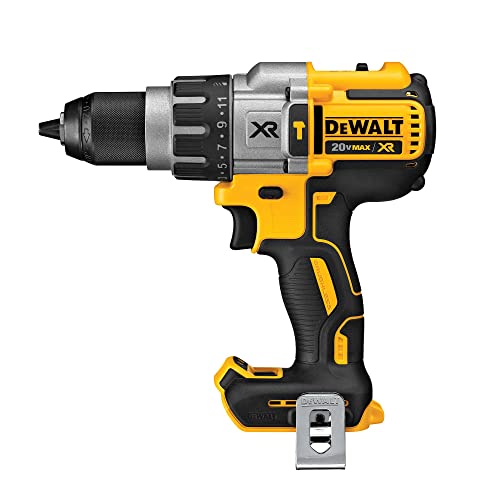
DeWalt DCD996B
High torque and a robust hammer mechanism for serious masonry work.
| Product | Best For | Key Spec | Rating | Price |
|---|---|---|---|---|
| DeWalt DCD996B | Overall Masonry | 820 in-lbs Torque | 4.7/5 | $$$ |
| Makita XPH07Z | Budget Pick | 480 in-lbs Torque | 4.5/5 | $$ |
| Milwaukee 2804-20 | Heavy Duty | 1,200 in-lbs Torque | 4.6/5 | $$$ |
| Bosch HDH181X | Compact Power | 530 in-lbs Torque | 4.4/5 | $$ |
| Ryobi P251 | DIY Masonry | 750 in-lbs Torque | 4.3/5 | $ |
DeWalt DCD996B
Best Overall for MasonryPros
- High torque for large masonry bits
- Durable metal chuck
- Excellent battery life
Cons
- Heavier than some competitors
- Tool only, battery sold separately
The DeWalt DCD996B is a 20V MAX brushless hammer drill that stands out for its raw power and reliability. Owner reviews consistently praise its ability to drive large diameter holes through brick and block without bogging down. The three-speed all-metal transmission allows for precise control when drilling into harder materials like concrete.
Aggregated feedback from retailers highlights the tool's robust build quality and the effectiveness of its active vibration control system. While it is on the heavier side, the trade-off in weight is justified by the performance it delivers for demanding masonry tasks.
Makita XPH07Z
Best Budget Masonry DrillPros
- Lightweight and well-balanced
- Good value for the price
- Reliable hammer action
Cons
- Less torque for large holes
- Chuck can slip under heavy load
The Makita XPH07Z is a 18V LXT brushless hammer drill that offers a great balance of performance and value. It is a popular choice for DIYers and light professional use, with owner reviews noting its comfortable grip and effective hammer action for drilling into brick and mortar joints.
While it may not have the brute force of the DeWalt for large diameter holes in reinforced concrete, it handles standard masonry tasks with ease. The tool is also compatible with Makita's extensive 18V battery platform, making it a smart investment for users already in the ecosystem.
Milwaukee 2804-20
Best for Heavy Duty MasonryPros
- Highest torque in class
- Excellent build quality
- Powerful hammer mechanism
Cons
- Expensive
- Heavy and bulky
The Milwaukee 2804-20 is a M18 FUEL brushless hammer drill that delivers exceptional power for the toughest masonry jobs. With 1,200 in-lbs of torque, it can easily drive large hole saws and long masonry bits through concrete block. Owner reviews highlight its durability and the effectiveness of its Auto-Stop feature.
This drill is designed for heavy daily use on construction sites. The trade-off is its weight and size, which can be tiring for overhead work. However, for users who need maximum power for drilling into reinforced concrete or stone, this is a top performer.
Bosch HDH181X
Best Compact Masonry DrillPros
- Compact and lightweight
- Good for tight spaces
- Reliable Bosch quality
Cons
- Not for heavy concrete
- Battery run time could be better
The Bosch HDH181X is a compact 18V brushless hammer drill that excels in tight spaces where larger drills cannot fit. Owner reviews appreciate its manageable size and weight, which reduces fatigue during extended use. The hammer mechanism is effective for drilling into brick and block up to 1/2 inch.
While it lacks the high torque of heavier models, it is a great option for electricians and plumbers who need to drill small holes for anchors or conduits. The tool feels well-made and the ergonomic grip is comfortable for precision work.
Ryobi P251
Best for DIY Masonry ProjectsPros
- Very affordable
- Good torque for the price
- Part of the Ryobi ONE+ system
Cons
- Brushed motor less efficient
- Not as durable as premium brands
The Ryobi P251 is a 18V ONE+ hammer drill that offers excellent value for DIY users. It provides ample torque for drilling into brick and block for shelving, TV mounts, or small anchors. Owner reviews often mention that it handles typical home masonry tasks without issue.
While it uses a brushed motor which is less efficient and has a shorter lifespan than brushless models, the low entry price and the wide availability of Ryobi batteries make it a practical choice for homeowners. It is not recommended for heavy daily use, but for occasional projects, it is a solid performer.
What to check before buying a drill driver for masonry
When selecting a drill driver for masonry, the hammer action mechanism is the most critical feature. This mechanism provides a rapid back-and-forth motion that helps pulverize the material in front of the bit. Look for a model with a dedicated hammer setting that can be disengaged for standard drilling.
Torque and power are also key considerations. Higher torque ratings, measured in inch-pounds, indicate a drill's ability to drive larger bits through harder materials. A brushless motor is generally preferred for its efficiency, longer run time, and greater durability compared to brushed motors.
Chuck quality matters for masonry work. A metal, ratcheting chuck provides a more secure grip on masonry bits, reducing the chance of slippage under heavy load. Battery platform and ecosystem are also important if you already own tools from a specific brand.
Mistakes to avoid when drilling into masonry
A common mistake is using a standard drill driver without a hammer function. This will result in very slow drilling and can damage the tool. Always ensure the drill is set to the hammer mode for masonry applications.
Another error is applying too much pressure. Let the hammer action do the work. Pushing hard can overheat the bit and the motor, leading to premature wear. Using a sharp, carbide-tipped masonry bit is also essential for efficient drilling.
Finally, failing to use a depth stop or tape on the bit can lead to drilling too deep, potentially hitting wiring or pipes. Always mark your desired depth before starting.
FAQs
Can I use a regular drill driver for masonry?
You can, but it will be very slow and may damage the drill. A hammer drill is specifically designed for masonry and is highly recommended for brick, block, or concrete.
What is the best drill driver for concrete?
For concrete, a high-torque hammer drill like the Milwaukee 2804-20 or DeWalt DCD996B is best. For reinforced concrete, a rotary hammer is often more effective.
What size drill driver do I need for masonry?
A 1/2 inch chuck drill driver is standard and suitable for most masonry bits up to 1 inch. For larger holes, a rotary hammer or a larger SDS drill is needed.
Is a brushless motor better for masonry drilling?
Yes, brushless motors are more efficient, provide more torque, and have a longer lifespan, making them ideal for the demanding task of masonry drilling.
What type of bit do I need for masonry?
You need a carbide-tipped masonry bit. These bits have a specially hardened tip designed to withstand the heat and abrasion of drilling into stone and concrete.
Can I use a hammer drill for wood and metal?
Yes, most hammer drills have a switch to turn off the hammer action, allowing them to be used as standard drill drivers for wood and metal.
What is the difference between a hammer drill and a rotary hammer?
A hammer drill uses a clutch mechanism for a vibrating action, while a rotary hammer uses a piston mechanism for a more powerful, chipping action. Rotary hammers are for heavy concrete work.
Do I need a corded or cordless drill for masonry?
Cordless drills offer convenience and portability. Modern brushless cordless models have enough power for most masonry tasks. Corded drills provide unlimited run time for heavy use.
How do I prevent my drill bit from slipping on masonry?
Start drilling at a slow speed and use a center punch to create a small indentation. This helps guide the bit and prevents it from walking across the surface.
What is the best battery voltage for a masonry drill?
18V and 20V MAX systems are the standard for cordless hammer drills and provide sufficient power for most masonry applications. Higher voltage systems (like 36V or 54V) offer more power for heavy-duty work.
Can I use a hammer drill to drill into tile?
It is not recommended. The hammer action can crack the tile. Use a standard drill with a diamond-tipped or carbide-tipped tile bit at a slow speed.
How do I maintain my masonry drill driver?
Keep the tool clean and free of dust. Regularly lubricate the chuck and check for wear on the brushes (if brushed motor). Store in a dry place to prevent corrosion.
Our verdict
For most users, the DeWalt DCD996B is the best overall drill driver for masonry, offering a perfect blend of power, reliability, and features. If you are on a tighter budget, the Makita XPH07Z provides excellent performance for the price and is a great choice for DIYers and light professional use.