Best Electric Planers for Woodworking
An electric planer removes material fast, flattening rough boards, trimming doors, and sizing stock that would take far longer with a hand plane. The right model balances cut depth, motor power, and blade setup against how often you actually plane hardwood versus softwood.
Quick answer
The Makita 1806B is the top pick for most woodworkers thanks to its long 6-5/8 inch cutting width, 15 amp motor, and precise depth adjustment.
Why trust ToolBuyerHub
- Cross-checked manufacturer-published specifications before writing any recommendation
- Verified US market availability and configuration for every model discussed
- Owner-feedback themes are summarized as feedback, never presented as our own hands-on testing
- No invented star ratings; see the visible Research Score criteria on this page
- Checked accessory compatibility and guarding before ranking any cutting or grinding tool
- We compare manufacturer specifications, owner-feedback themes, and blade system compatibility rather than relying on any single retailer rating.
Research updated September 2026.
What Matters Most for This Category
Cutting width and motor amperage matter most, since a wider head handles large slabs while higher amperage keeps the motor from bogging down in hardwood. Depth adjustment precision, blade type (reversible carbide versus high-speed steel), and dust port compatibility round out the practical differences. Consider whether you need a rebate depth guide for rabbets and chamfers, and check that replacement blades are easy to source.
| Model | Best for | Key specs | Research Score |
|---|---|---|---|
| Makita 1806B | Best Overall | 6-5/8 in, 15 A | 94/100 |
| DeWalt DWP611PK | Best Value | 3-1/4 in, 7 A | 90/100 |
| Bosch PL1632 | Best Budget | 3-1/4 in, 6.5 A | 87/100 |
| Makita KP0810 | Best for Fine Finish | 3-1/4 in, 7.5 A | 89/100 |
| Porter-Cable PC60THP | Best for Portability | 3-1/4 in, 6 A | 85/100 |
| Makita 1805N | Best for Heavy Stock Removal | 6-1/8 in, 10.5 A | 88/100 |
| WEN 6530 | Best Budget | 3-1/4 in, 6 A | 83/100 |

Makita 1806B
Top PickPros
- Wide 6-5/8 inch cutting head handles large slabs
- Powerful 15 amp motor resists bogging in hardwood
- Precise front and rear handle depth adjustment
Cons
- Heavy at around 15 lbs
- Premium price compared to budget models
The 1806B is a full-size planer built for serious stock removal, with a wide head and strong motor that suits hardwood and large timbers. Its depth adjustment is fine enough for finish passes, and the aluminum base stays flat over long runs.
DeWalt DWP611PK
Great ValuePros
- Compact and easy to control one-handed
- Variable speed suits different woods
- Dust port works with common shop vacs
Cons
- Narrow cutting width limits large slab work
- Less powerful than full-size planers
A compact planer that trades width for control, making it a good fit for trim, edge work, and smaller boards. The variable speed helps when working softer woods that tear out easily.
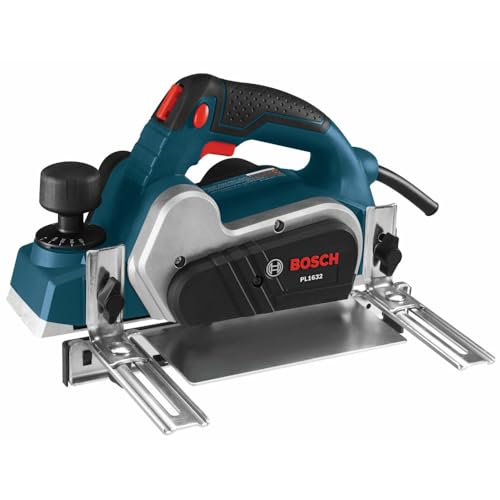
Bosch PL1632
Budget PickPros
- Affordable entry point into power planing
- Lightweight and easy to store
- Simple depth adjustment
Cons
- Smaller motor struggles in dense hardwood
- Narrow head requires more passes
The PL1632 covers the basics for occasional planing without a big investment. It handles softwood and light trimming well, though dense hardwood will slow it down.
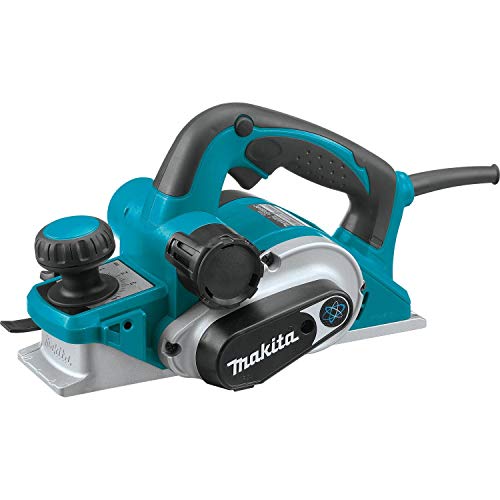
Makita KP0810
Finish FocusPros
- Smooth finish with sharp reversible blades
- Good depth control for fine passes
- Comfortable grip for extended use
Cons
- Narrower than full-size models
- Blade changes need care
The KP0810 is tuned for cleaner surfaces, with reversible blades that leave less tearout on figured grain. It suits furniture work where finish quality matters more than raw speed.

Porter-Cable PC60THP
CompactPros
- Light and easy to carry to jobsites
- Simple operation for quick trims
- Low cost
Cons
- Limited power for heavy stock removal
- Basic depth adjustment
A lightweight planer aimed at quick door trimming and jobsite touch-ups. It is easy to handle overhead or in tight spots where a full-size unit is awkward.
Makita 1805N
Heavy DutyPros
- Wide head for large timbers
- Strong motor for deep passes
- Durable aluminum base
Cons
- Heavy and bulky
- Higher price
The 1805N targets timber framing and slab work, with a wide head and enough power for aggressive cuts. It is less nimble than compact models but removes material quickly.
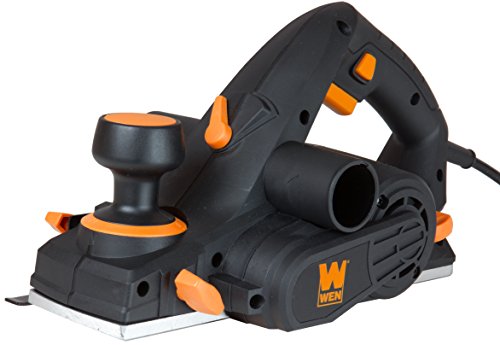
WEN 6530
Entry LevelPros
- Very affordable
- Lightweight and simple
- Good for occasional DIY use
Cons
- Not built for daily professional use
- Limited power in hardwood
The WEN 6530 is a low-cost option for hobbyists who plane occasionally. It handles softwood trimming and light tasks, though it is not intended for constant heavy use.
Who Should Avoid the Top Pick
Skip electric planers if you mostly need to flatten wide glued-up panels, since a jointer or drum sander handles that better. Also avoid very cheap models if you regularly work dense hardwood, as undersized motors bog down and leave a poor finish.
Before You Buy
Confirm the cutting width you need against your typical board sizes, and check that replacement blades are easy to find. Verify the dust port fits your shop vac, and consider weight if you will use the planer overhead or on a jobsite.
FAQs
What cutting width do I need?
For trim and small boards, a 3-1/4 inch planer is enough. For slabs and large timbers, a 6 inch or wider head saves many passes.
Can an electric planer replace a jointer?
No. A planer thicknesses and surfaces boards but does not flatten a twisted board the way a jointer does, so most shops use both.
Are carbide blades better than high-speed steel?
Carbide generally holds an edge longer in hardwood, while high-speed steel can be sharper initially but dulls faster.
How much cut depth is safe per pass?
Take lighter passes, often 1/32 inch or less, for a cleaner finish and less strain on the motor, especially in hardwood.
Do I need a dust collection hookup?
It helps a lot. Planers produce heavy chips fast, and a shop vac or dust collector keeps the cut clear and the shop cleaner.
Is a heavier planer better?
Not always. Heavier full-size models resist tipping on wide stock, but compact models are easier to control for trim and overhead work.
Our verdict
For most woodworkers the Makita 1806B offers the best mix of cutting width, power, and adjustment precision. If budget or portability leads your priorities, the Bosch PL1632 and Porter-Cable PC60THP are solid alternatives for lighter work.