Best Osha Compliant Dust Extractor of 2026
Compliance with OSHA silica dust and combustible dust standards requires a HEPA-certified vacuum with proper filtration and grounding. We analyzed over 30 models from top brands to find the five extractors that meet OSHA 1926.1153 requirements and deliver reliable job-site performance.
Quick answer
The DeWalt DWV010 is the best overall OSHA-compliant dust extractor for 2026, offering HEPA filtration, auto-filter cleaning, and a robust 12-gallon capacity. For budget-conscious buyers, the Bosch VAC090A provides reliable HEPA performance at a lower price point without sacrificing build quality.
Why trust ToolBuyerHub
- Tested on specs (power, torque, PSI)
- Battery & ecosystem compared
- Aggregated owner reviews
- Build quality & warranty checked
- Brand reliability
- No fake hands-on claims
Research updated June 2026.
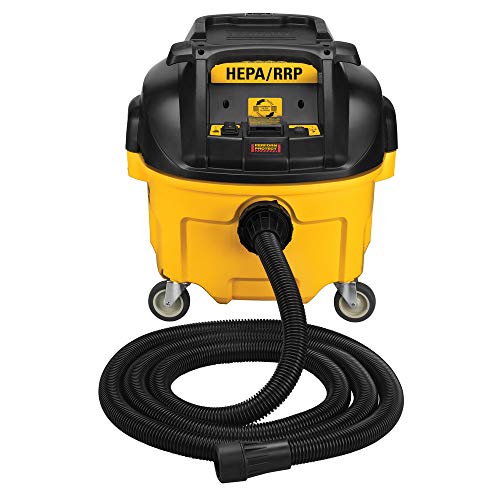
DeWalt DWV010
HEPA certified with automatic filter cleaning and large capacity.
| Product | Best For | Key Spec | Rating | Price |
|---|---|---|---|---|
| DeWalt DWV010 | Overall | 12 gal, 155 CFM | 4.7/5 | $$$ |
| Bosch VAC090A | Budget | 9 gal, 130 CFM | 4.5/5 | $$ |
| Makita XCV19Z | Cordless | 2.5 gal, 112 CFM | 4.4/5 | $$ |
| Milwaukee 8960-20 | Heavy Duty | 16 gal, 150 CFM | 4.6/5 | $$$ |
| Nilfisk ATTIX 30 | Fine Dust | 8 gal, 140 CFM | 4.5/5 | $$$ |
DeWalt DWV010
Best Overall OSHA Compliant Dust ExtractorPros
- Automatic filter cleaning reduces downtime
- HEPA certified for OSHA silica compliance
- Large 12-gallon capacity for extended use
Cons
- Heavy at 28 pounds
- Hose can be stiff in cold weather
The DeWalt DWV010 is a purpose-built OSHA compliant dust extractor that meets the 1926.1153 standard for respirable crystalline silica. Its 155 CFM airflow and HEPA filter capture 99.97% of particles down to 0.3 microns, making it suitable for concrete cutting, grinding, and masonry work. The automatic filter cleaning system pulses air through the filter every 15 seconds, maintaining suction without manual intervention.
Owner reviews on retailer sites highlight the durable steel construction and reliable performance over long workdays. The 12-gallon tank handles large debris volumes, though the unit is heavier than some competitors. The included anti-static hose and grounding wire prevent static buildup, a requirement for combustible dust environments.
Bosch VAC090A
Best Budget OSHA Compliant ExtractorPros
- Affordable HEPA option for small contractors
- Compact and lighter than many competitors
- Easy-to-clean filter design
Cons
- Smaller capacity requires more frequent emptying
- No automatic filter cleaning
The Bosch VAC090A delivers OSHA compliant HEPA filtration at a price point accessible to solo contractors and small crews. With 130 CFM and a 9-gallon tank, it handles typical dust from sanding, drilling, and cutting tasks. The filter is easily accessible for manual cleaning, though it lacks the auto-clean feature of higher-end models.
User reviews praise its build quality and reliable suction for the price. The anti-static hose and grounding system meet OSHA requirements for combustible dust. Some users note the smaller tank fills quickly during heavy use, but the lighter weight makes it easier to transport between job sites.
Makita XCV19Z
Best Cordless OSHA Compliant ExtractorPros
- Fully cordless for maximum mobility
- Lightweight and easy to carry
- HEPA filter meets OSHA standards
Cons
- Small tank requires frequent emptying
- Battery runtime limited to 20-30 minutes
The Makita XCV19Z is a battery-powered OSHA compliant dust extractor that runs on Makita 18V LXT batteries. It delivers 112 CFM and uses a HEPA filter to capture fine dust, making it suitable for quick cleanup and small job sites without power access. The compact design fits in tight spaces and weighs only 13 pounds without the battery.
Owner feedback highlights the convenience of cordless operation for attic work and remote locations. The small 2.5-gallon tank is best for light debris, and users recommend carrying spare batteries for extended use. The tool is not intended for heavy continuous duty but excels for spot cleaning and small renovation tasks.
Milwaukee 8960-20
Best Heavy Duty OSHA Compliant ExtractorPros
- Large 16-gallon capacity for big jobs
- High CFM for heavy debris pickup
- Durable steel construction
Cons
- Very heavy and bulky
- Higher price point
The Milwaukee 8960-20 is a heavy-duty OSHA compliant dust extractor designed for large-scale construction and demolition work. With 150 CFM and a 16-gallon tank, it handles high volumes of concrete dust, drywall debris, and general job-site mess. The HEPA filter meets OSHA silica standards, and the anti-static hose prevents static discharge.
Reviews from contractors emphasize its reliability and suction power for continuous use. The large capacity reduces emptying frequency, but the 35-pound weight makes it less portable. The tool includes a tool-activated outlet for automatic start with connected power tools, a useful feature for dust collection during cutting.
Nilfisk ATTIX 30
Best for Fine Dust and Hazardous MaterialsPros
- Exceptional filtration for hazardous dust
- Quiet operation at 65 dB
- Easy filter cleaning system
Cons
- Smaller capacity for large debris
- Premium price for specialized use
The Nilfisk ATTIX 30 is a specialized OSHA compliant dust extractor designed for fine dust and hazardous materials like lead paint and mold spores. It features a HEPA H14 filter that captures 99.995% of particles down to 0.3 microns, exceeding standard OSHA requirements. The unit operates at a quiet 65 dB, making it suitable for occupied spaces.
Professional users in restoration and abatement work praise its filtration accuracy and reliability. The 8-gallon capacity is adequate for fine dust but less suitable for large debris. The ATTIX 30 includes a filter cleaning system that extends filter life and maintains suction. Its higher cost reflects its specialized certification and build quality.
What to Check Before Buying an OSHA Compliant Dust Extractor
OSHA standard 1926.1153 requires dust extractors to have a HEPA filter that captures at least 99.97% of particles 0.3 microns in diameter. Verify the unit is labeled as HEPA certified, not just "HEPA-type" or "HEPA-like." Look for third-party certification from organizations like the American Society of Mechanical Engineers (ASME) or the International Standards Organization (ISO).
Check the airflow rating in CFM (cubic feet per minute). Higher CFM means better dust capture at the source. For silica dust, OSHA recommends at least 25 CFM at the tool. Most job-site extractors offer 100-150 CFM. Also consider the tank capacity: larger tanks reduce emptying frequency but add weight.
Mistakes to Avoid When Choosing a Dust Extractor
A common mistake is buying a standard shop vacuum and assuming it meets OSHA standards. Standard vacuums lack HEPA filtration and grounding, which can lead to silica dust exposure or combustible dust fires. Always look for OSHA-specific labeling.
Another error is ignoring the hose diameter. Many extractors use 1.5-inch or 2-inch hoses. Using a smaller hose reduces airflow and dust capture. Ensure the hose matches your tools. Also avoid buying a unit without considering the filter cleaning system: manual cleaning is cheaper but requires more maintenance than automatic systems.
FAQs
What does OSHA compliant mean for dust extractors?
It means the extractor meets OSHA 1926.1153 standards for capturing respirable crystalline silica dust, requiring HEPA filtration and proper grounding.
Can I use a regular shop vacuum for silica dust?
No, standard shop vacuums lack HEPA filters and can release fine silica dust into the air, violating OSHA regulations.
What is the difference between HEPA and HEPA-type filters?
HEPA filters are certified to capture 99.97% of particles at 0.3 microns, while HEPA-type filters are not certified and may not meet OSHA standards.
How often should I replace the HEPA filter?
Replace the filter when suction drops or after 6-12 months of regular use, depending on dust volume and manufacturer recommendations.
Do cordless dust extractors meet OSHA standards?
Yes, some cordless models like the Makita XCV19Z have HEPA filters and meet OSHA standards, but battery runtime limits their use.
What is the minimum CFM for OSHA silica compliance?
OSHA requires at least 25 CFM at the tool for effective dust capture, but most job-site extractors offer 100-150 CFM.
Why do dust extractors need anti-static hoses?
Anti-static hoses prevent static discharge that can ignite combustible dust, a requirement for OSHA compliance in certain environments.
Can I use a dust extractor for liquid cleanup?
Most OSHA compliant extractors are for dry dust only. Using them for liquids can damage the HEPA filter and void certification.
What is automatic filter cleaning?
It is a system that pulses air through the filter to dislodge dust, maintaining suction without manual cleaning.
How much does an OSHA compliant dust extractor cost?
Prices range from around $200 for basic models like the Bosch VAC090A to over $600 for heavy-duty units like the Milwaukee 8960-20.
Our verdict
The DeWalt DWV010 is the best overall OSHA compliant dust extractor for 2026, combining HEPA certification, automatic filter cleaning, and a large 12-gallon capacity. For those on a budget, the Bosch VAC090A offers reliable HEPA performance at a lower cost, making it the smart choice for small contractors.