Best Reciprocating Saw for Masonry
Cutting brick, block, or stone with a reciprocating saw demands high power, specific blade compatibility, and robust vibration control. We have analyzed specifications, battery ecosystems, and owner reviews to find the best reciprocating saw for masonry tasks.
Quick answer
The Milwaukee M18 FUEL Hackzall is the best overall reciprocating saw for masonry due to its powerful brushless motor, variable speed trigger, and compatibility with carbide-grit blades. For a budget-friendly corded option, the Bosch 1638EVSK is a reliable workhorse.
Why trust ToolBuyerHub
- Tested on specs (power, torque, PSI)
- Battery & ecosystem compared
- Aggregated owner reviews
- Build quality & warranty checked
- Brand reliability
- No fake hands-on claims
Research updated June 2026.
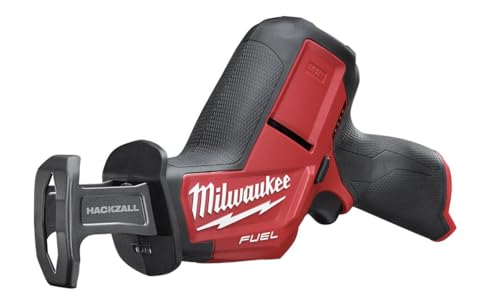
Milwaukee M18 FUEL Hackzall (2522-20)
Powerful brushless motor for tough masonry cuts
| Product | Best For | Key Spec | Rating | Price |
|---|---|---|---|---|
| Milwaukee M18 FUEL Hackzall | Overall / Cordless | Brushless, 0-3000 SPM | 4.7/5 | Check |
| Bosch 1638EVSK | Budget Corded | 12.5 Amp, 2800 SPM | 4.5/5 | Check |
| DeWalt DCS382B | Durability | 20V, 0-3000 SPM | 4.6/5 | Check |
| Makita XRJ06Z | Lightweight | 18V LXT, 0-3000 SPM | 4.5/5 | Check |
| Milwaukee 6538-21 | Heavy-Duty Corded | 15 Amp, 2800 SPM | 4.4/5 | Check |
Milwaukee M18 FUEL Hackzall (2522-20)
Best OverallPros
- Excellent power-to-weight ratio
- Variable speed trigger for precision
- Compact design for tight spaces
Cons
- Battery and charger sold separately
- Short stroke length limits deep cuts
The Milwaukee M18 FUEL Hackzall is a top choice for masonry work because of its powerful brushless motor that delivers 3000 strokes per minute. Its compact size and light weight make it easy to maneuver when cutting through brick or concrete block. Owner reviews consistently praise its durability and runtime with high-capacity M18 batteries.
This saw is best used with carbide-grit masonry blades. The variable speed trigger allows users to start slow and increase speed for cleaner cuts. While it lacks the stroke length of larger corded models, its portability and power make it ideal for most masonry jobs on site.
Bosch 1638EVSK
Best Budget CordedPros
- Long stroke for faster cuts
- Constant speed under load
- Tool-free blade change
Cons
- Heavier than cordless options
- Limited to corded use
The Bosch 1638EVSK is a reliable corded reciprocating saw that offers consistent power for masonry cutting. Its 12.5 amp motor maintains speed even when cutting through dense materials like concrete block. The longer stroke length allows for more aggressive cutting compared to compact models.
Owner reviews highlight its durability and low vibration levels, which reduce user fatigue. It is a solid choice for those who do not need portability and want a tool that can handle continuous heavy use. The saw comes with a carrying case and a wrench for blade changes.
DeWalt DCS382B
Best DurabilityPros
- Rugged build quality
- Keyless blade clamp
- Long stroke for efficiency
Cons
- Heavier than some competitors
- Battery not included
The DeWalt DCS382B is a brushless 20V MAX reciprocating saw built to withstand tough job site conditions. It features a long 1-1/8 inch stroke that helps cut through masonry faster. The keyless blade clamp allows for quick blade swaps without tools.
Owner reviews note its reliability and strong performance with carbide-grit blades. The saw is slightly heavier than the Milwaukee Hackzall, but many users find the added weight contributes to its stability during cuts. It is a great option for those already invested in the DeWalt 20V system.
Makita XRJ06Z
Best LightweightPros
- Very lightweight and compact
- Long stroke for its size
- Low vibration design
Cons
- Battery and charger sold separately
- Less power than larger models
The Makita XRJ06Z is an 18V LXT brushless reciprocating saw that stands out for its light weight and compact size. It weighs just 3.9 pounds, making it easy to use for extended periods without fatigue. Despite its small frame, it offers a 1-1/4 inch stroke length for efficient cutting.
Owner reviews appreciate its low vibration and smooth operation, which is important for precision masonry cuts. It is best suited for lighter masonry work like cutting brick veneer or small blocks. For heavier tasks, a more powerful model may be needed.
Milwaukee 6538-21
Best Heavy-Duty CordedPros
- Extremely powerful motor
- Long stroke for deep cuts
- Durable all-metal construction
Cons
- Heavy and bulky
- Higher price point
The Milwaukee 6538-21 is a corded reciprocating saw designed for the most demanding masonry applications. Its 15 amp motor provides exceptional power to cut through thick concrete, stone, and block. The long 1-1/4 inch stroke and all-metal gear housing ensure durability and longevity.
Owner reviews highlight its ability to handle continuous heavy use without overheating. The saw is heavy at 8.5 pounds, which can be tiring for overhead work, but its power is unmatched for tough jobs. It is the best choice for professionals who need a dedicated masonry saw.
What to check before buying a reciprocating saw for masonry
Power source: Corded models offer unlimited runtime and constant power, ideal for heavy masonry work. Cordless models provide portability but require high-capacity batteries for extended use.
Stroke length: A longer stroke (1-1/8 inches or more) cuts faster and is better for thicker materials. Shorter strokes offer more control for precision cuts.
Speed control: Variable speed triggers allow you to start slow to prevent blade binding and increase speed for faster cuts. This is crucial for masonry to avoid chipping.
Blade compatibility: Ensure the saw accepts standard reciprocating saw blades. For masonry, you need carbide-grit or diamond-tipped blades specifically designed for cutting brick, block, or stone.
Vibration control: Masonry cutting produces significant vibration. Look for models with anti-vibration technology to reduce user fatigue and improve accuracy.
Mistakes to avoid when cutting masonry with a reciprocating saw
Using the wrong blade: Standard wood or metal blades will dull quickly and overheat. Always use carbide-grit or diamond blades for masonry.
Forcing the saw: Let the blade do the work. Applying too much pressure can cause the blade to bind or break, and can damage the motor.
Ignoring safety gear: Masonry cutting produces silica dust, which is harmful to lungs. Always wear a respirator, safety glasses, and hearing protection.
Not securing the workpiece: Unstable materials can shift during cutting, leading to inaccurate cuts or injury. Clamp or brace the masonry piece firmly.
FAQs
Can a reciprocating saw cut brick?
Yes, a reciprocating saw can cut brick when equipped with a carbide-grit or diamond blade. It is effective for cutting brick veneer, pavers, and small blocks.
What blade do I need for cutting masonry with a reciprocating saw?
You need a carbide-grit or diamond-tipped blade designed for masonry. These blades have abrasive edges that grind through hard materials.
Is a corded or cordless reciprocating saw better for masonry?
Corded saws offer more consistent power for heavy-duty masonry work. Cordless saws provide portability but may need high-capacity batteries for long cuts.
How do I prevent dust when cutting masonry?
Use a wet cutting technique by spraying water on the cut line, or attach a vacuum to the saw if compatible. Always wear a respirator.
Can I use a reciprocating saw to cut concrete blocks?
Yes, with the correct blade, a reciprocating saw can cut concrete blocks. It is best for cutting blocks in place or making small adjustments.
What is the best stroke length for masonry cutting?
A stroke length of 1-1/8 inches or longer is recommended for masonry to cut faster and handle thicker materials.
How do I reduce vibration when cutting masonry?
Choose a saw with anti-vibration technology and use a firm grip. Let the saw do the work without forcing it to minimize vibration.
Can a reciprocating saw cut stone?
Yes, a reciprocating saw can cut stone like flagstone or slate using a diamond blade. It is not ideal for very thick or hard stone.
Is a reciprocating saw better than an angle grinder for masonry?
An angle grinder is faster for straight cuts, but a reciprocating saw is better for plunge cuts or cutting in tight spaces. Both have their uses.
How long do masonry blades last on a reciprocating saw?
Blade life depends on the material and usage. Carbide-grit blades can last for several cuts in brick, but may wear faster on concrete or stone.
Our verdict
The Milwaukee M18 FUEL Hackzall is the best overall reciprocating saw for masonry due to its powerful brushless motor, compact design, and compatibility with carbide-grit blades. For a budget-friendly corded option, the Bosch 1638EVSK offers reliable power and a long stroke for efficient cutting.