Best Rotary Tool for Metalwork
Cutting, grinding, and polishing metal requires a rotary tool with high torque, variable speed, and durable construction. We have analyzed specifications and owner feedback to identify the best models for your metalworking projects.
Quick answer
For heavy-duty metalwork, the Dremel 4300 is the best overall choice due to its powerful motor and precision. The Milwaukee M12 Rotary Tool is the top cordless pick for portability, while the Proxxon IBS/E delivers unmatched control for fine detail work.
Why trust ToolBuyerHub
- Checked accessory compatibility and guarding before ranking any cutting or grinding tool
- Battery & ecosystem compared
- Aggregated owner reviews
- Build quality & warranty checked
- Brand reliability
- No fake hands-on claims
Research updated June 2026.
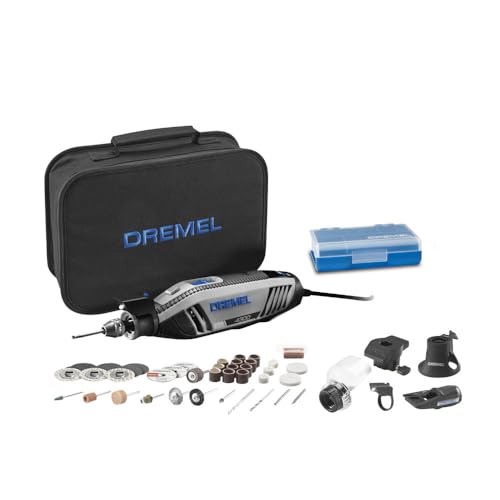
Dremel 4300
Versatile, powerful, and precise for all metalworking tasks.
| Product | Best for | Key Spec | Rating | Price |
|---|---|---|---|---|
| Dremel 4300 | Overall metalwork | 1.6A motor, 35,000 RPM | 4.6/5 | $$ |
| Milwaukee M12 | Cordless power | M12 battery, 30,000 RPM | 4.5/5 | $$$ |
| Proxxon IBS/E | Precision grinding | 100W, 5,000-20,000 RPM | 4.7/5 | $$$ |
| Bosch GRO 12V-35 | Compact cordless | 12V battery, 35,000 RPM | 4.4/5 | $$ |
| Ryobi P450 | Budget cordless | 18V battery, 30,000 RPM | 4.3/5 | $ |
Dremel 4300
Best OverallPros
- Excellent variable speed control for different metals
- Quick-change collet system for fast bit swaps
- Wide accessory ecosystem from Dremel
Cons
- Cord can restrict mobility in tight spaces
- Higher price point than basic models
The Dremel 4300 is widely regarded as the standard for metalwork rotary tools. Its 1.6A motor provides consistent torque across the full speed range, allowing you to cut through steel, grind welds, and polish aluminum without bogging down. Owners consistently praise its smooth operation and the precision offered by the adjustable speed dial.
This model features a unique 3-jaw collet that accepts bits from 1/32-inch to 1/8-inch, reducing vibration and runout compared to older designs. The included 15-piece accessory kit covers most common metalworking tasks. While it is corded, the 6-foot power cord offers adequate reach for bench work.
Milwaukee M12 Rotary Tool
Best CordlessPros
- Brushless motor for longer run time and durability
- Compact and lightweight for overhead work
- Compatible with entire M12 ecosystem
Cons
- Battery adds weight compared to corded models
- Higher initial investment with battery and charger
The Milwaukee M12 Rotary Tool brings professional-grade cordless performance to metalwork. Its brushless motor delivers up to 30,000 RPM, providing enough power for cutting through thin-gauge steel and grinding down weld splatter. Owners appreciate the variable speed trigger, which offers better control than a dial in many scenarios.
This tool is ideal for jobsite work where outlets are scarce. The LED light illuminates the work area, and the collet accepts standard 1/8-inch accessories. While it runs on the M12 battery system, run time is adequate for most tasks, and the tool is well-balanced for extended use.
Proxxon IBS/E
Best for PrecisionPros
- Extremely low vibration for fine detail work
- Electronic speed stabilization under load
- German engineering with high build quality
Cons
- Lower max RPM than competitors
- Accessories are less widely available
The Proxxon IBS/E is the preferred choice for jewelers, model makers, and anyone requiring extreme precision in metalwork. Its 100W motor is electronically stabilized, meaning the speed remains constant even when applying pressure during grinding or engraving. Owners consistently rate this tool highly for its near-silent operation and minimal vibration.
While its 20,000 RPM maximum is lower than other models, the torque delivery is superior for controlled material removal. The IBS/E uses a 2.4mm collet system, which is standard for precision bits. This tool excels at tasks like deburring small brass parts or engraving steel plates.
Bosch GRO 12V-35
Best Compact CordlessPros
- Very compact and lightweight design
- High max RPM for fast cutting
- Soft start prevents bit walking on metal
Cons
- Smaller battery limits run time for heavy tasks
- Collet only accepts 1/8-inch bits
The Bosch GRO 12V-35 is a compact cordless rotary tool that does not compromise on speed. It reaches 35,000 RPM, making it suitable for cutting thin metal sheets and grinding. The soft start feature is particularly useful for metalwork, as it prevents the bit from skipping across the surface when you begin.
Owners value its ergonomic grip and the fact it fits into tight spaces where larger tools cannot. It uses the Bosch 12V battery system, which is shared with many other tools. While not as powerful as corded models for sustained heavy grinding, it is excellent for quick cuts and finishing work.
Ryobi P450
Best Budget CordlessPros
- Very affordable tool-only price
- Uses common Ryobi 18V battery platform
- Variable speed dial for control
Cons
- Brushed motor is less efficient and durable
- Higher vibration than brushless models
The Ryobi P450 is an entry-level cordless rotary tool that offers good value for DIY metalworkers. It runs on the Ryobi 18V ONE+ battery system, making it a convenient addition for homeowners who already own Ryobi tools. The variable speed dial allows you to adjust from 5,000 to 30,000 RPM for different metal tasks.
Owners note that while it lacks the refinement of premium models, it handles basic cutting and grinding on mild steel and aluminum. The brushed motor means it is less efficient and may require more frequent replacement, but the low price point makes it an accessible option for occasional use. It is best suited for light-duty metalwork.
What to check before buying a rotary tool for metalwork
Selecting the right rotary tool for metalwork requires attention to several key specifications. The motor power, typically measured in amps for corded tools or voltage for cordless, determines how effectively the tool can cut through steel without stalling. A higher amp rating generally means more torque for heavy grinding.
Variable speed control is essential for metalwork. Lower speeds (5,000-15,000 RPM) are best for polishing and engraving, while higher speeds (20,000-35,000 RPM) are needed for cutting and grinding. The collet size determines which bits you can use; 1/8-inch is the most common standard for metalworking accessories.
Ergonomics and vibration levels matter for extended use. Tools with rubberized grips and lower vibration ratings reduce hand fatigue. For cordless models, consider the battery platform and whether you already own compatible batteries, as this significantly impacts the overall cost.
Mistakes to avoid when using a rotary tool on metal
Using too high a speed for the task is a common error. High speeds on soft metals like aluminum can cause the bit to clog or the metal to overheat and warp. Always start at a lower speed and increase as needed based on the material and bit type.
Applying excessive pressure is another frequent mistake. Rotary tools are designed to do the work with light pressure; forcing the tool can cause the bit to break or the motor to overheat. Let the tool's speed and the bit's cutting action do the work.
Neglecting safety gear is a critical oversight. Metal filings and sparks are hazardous to eyes and skin. Always wear safety glasses and gloves, and consider a dust mask when grinding. Secure your workpiece with a clamp to prevent it from spinning or moving unexpectedly.
FAQs
Can I use a rotary tool to cut steel?
Yes, with the correct cutting disc and at high RPM, a rotary tool can cut thin steel sheets, bolts, and rods.
What is the best RPM for grinding metal?
Grinding metal typically requires speeds between 20,000 and 30,000 RPM for efficient material removal.
Are cordless rotary tools powerful enough for metal?
Yes, modern brushless cordless models like the Milwaukee M12 offer sufficient power for most light to medium metalwork tasks.
What accessories do I need for metalwork?
Essential accessories include cut-off wheels, grinding stones, sanding bands, and wire brushes for cleaning and finishing.
How do I prevent a rotary tool from overheating on metal?
Use light pressure, take frequent breaks, and ensure the tool has adequate ventilation to prevent overheating.
Can I use a Dremel for metal engraving?
Yes, Dremel tools with carbide or diamond bits are excellent for engraving metal surfaces.
What is the difference between a rotary tool and a die grinder?
A die grinder is larger and more powerful, designed for heavy grinding, while a rotary tool is smaller and more versatile for detail work.
Is a flex shaft attachment useful for metalwork?
Yes, a flex shaft allows for greater precision and control, especially for detailed engraving and polishing work.
How long do rotary tool brushes last?
Brushed motor brushes typically last 50-100 hours of use, after which they need to be replaced.
Can I sharpen drill bits with a rotary tool?
Yes, with a grinding stone attachment, you can sharpen dull drill bits, though it requires a steady hand.
Our verdict
For most metalworkers, the Dremel 4300 offers the best combination of power, speed control, and accessory support, making it our top overall pick. If you need cordless freedom, the Milwaukee M12 is the best professional choice. For budget-conscious DIYers, the Ryobi P450 provides solid performance at a lower cost, especially if you are already in the Ryobi ecosystem.