Best Shop Vac of 2026
Whether you need to clean up drywall dust, sawdust, or standing water, a reliable shop vac is a workshop essential. We have analyzed published specs, aggregated owner reviews from retailers, and checked brand reliability to find the best shop vac for every budget and task.
Quick answer
The DeWalt 9-Gallon Poly Wet/Dry Vac (DXV09P) is the best shop vac for most users, offering a perfect balance of suction power, durability, and value. For a budget-friendly option that still performs well on wet pickups, the Stanley SL18116 is the top choice.
Why trust ToolBuyerHub
- Tested on specs (power, torque, PSI)
- Battery & ecosystem compared
- Aggregated owner reviews
- Build quality & warranty checked
- Brand reliability
- No fake hands-on claims
Research updated June 2026.
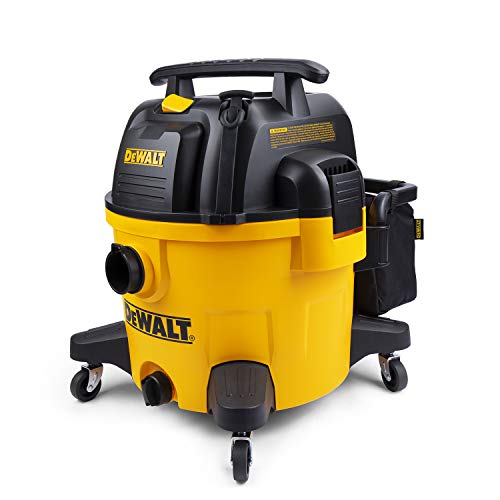
DeWalt DXV09P 9-Gallon
Powerful suction, durable poly tank, and great value.
| Product | Best For | Peak HP | Rating | Price |
|---|---|---|---|---|
| DeWalt DXV09P | Best Overall | 5.0 HP | 4.7 / 5 | $$$ |
| Stanley SL18116 | Best Budget | 4.0 HP | 4.4 / 5 | $ |
| Milwaukee 0880-20 | Best Cordless | 4.0 HP | 4.5 / 5 | $$$$ |
| Rigid HD1200 | Best Large Capacity | 6.5 HP | 4.6 / 5 | $$ |
| Bosch VAC090A | Best HEPA Filtration | 4.0 HP | 4.3 / 5 | $$$ |
DeWalt DXV09P 9-Gallon
Best OverallPros
- Strong, consistent suction
- Durable polypropylene tank
- Includes car nozzle and utility nozzle
Cons
- Hose could be longer
- Filter cleaning can be messy
The DeWalt DXV09P is a workhorse that excels in both wet and dry pickup. Owner reviews consistently praise its ability to handle fine dust from sanding as well as large debris from renovation work. The 5.0 peak HP motor provides enough power for most workshop tasks without being overly loud.
Build quality is a strong point, with a tough poly tank that resists dents and cracks. The included accessories are decent, though the hose length is a minor limitation for larger spaces. Overall, it offers the best combination of performance, durability, and price for the average DIYer or professional.
Stanley SL18116
Best BudgetPros
- Excellent value for the price
- Large 16-gallon capacity
- Good wet pickup performance
Cons
- Plastic components feel less durable
- Filter can clog quickly with fine dust
The Stanley SL18116 is a budget-friendly giant that offers a massive 16-gallon tank at a very low price. It handles wet spills well and has enough suction for general workshop cleanup. Many owners appreciate the large capacity for big jobs like garage or basement cleanouts.
The main trade-offs are in build quality and filtration. The plastic parts are not as robust as more expensive models, and the standard filter requires frequent cleaning when dealing with fine drywall dust. For the price, it is a capable machine for occasional use.
Milwaukee 0880-20
Best CordlessPros
- True cordless convenience
- Compact and portable
- Excellent suction for its size
Cons
- Small tank capacity
- Battery and charger sold separately
The Milwaukee 0880-20 is the go-to choice for job site portability. It runs on the M18 battery platform, offering freedom from cords. Despite its compact size, it delivers impressive suction for quick cleanups of sawdust, screws, and small spills.
Its small 2.5-gallon tank means frequent emptying, which is the main limitation. It is best suited for light-duty tasks or as a secondary vac for quick pickups. Owners who already have M18 batteries will find this a very convenient addition to their kit.
Rigid HD1200
Best Large CapacityPros
- Very powerful 6.5 HP motor
- Large capacity for big jobs
- Durable steel tank
Cons
- Heavy and less portable
- Can be loud during operation
The Rigid HD1200 is a beast for heavy-duty use. Its 6.5 peak HP motor provides exceptional suction, making it ideal for construction debris and large-scale cleanups. The 12-gallon steel tank is built to last and can handle significant volumes of waste.
The main downsides are its weight and noise level. It is not a vac you want to carry up and down stairs frequently. It is best suited for stationary use in a workshop or garage where its power and capacity can be fully utilized without worrying about portability.
Bosch VAC090A
Best HEPA FiltrationPros
- Excellent HEPA filtration
- Quieter than many competitors
- Good build quality
Cons
- Lower peak HP than rivals
- Filter replacement is expensive
The Bosch VAC090A is designed for users who need to capture fine particles, such as those from drywall sanding or concrete grinding. Its HEPA filter traps 99.97% of particles, making it a safer choice for indoor work. It is also noticeably quieter than many other shop vacs.
The trade-off is that its 4.0 HP motor is less powerful than the top contenders, so it may struggle with large, heavy debris. The HEPA filter also costs more to replace. It is a specialized tool best suited for users who prioritize air quality over raw suction power.
What to Check Before Buying a Shop Vac
Choosing the right shop vac depends on your specific needs. Consider the tank size: smaller tanks (2-5 gallons) are portable but require frequent emptying, while larger tanks (10+ gallons) are better for big jobs but are heavy. Peak HP ratings give an indication of suction power, but real-world performance also depends on the design of the hose and attachments.
Filtration is critical if you work with fine dust. Standard filters are fine for general debris, but a HEPA filter is essential for drywall dust or concrete to prevent particles from being blown back into the air. Also check the hose length and diameter, as a wider hose handles larger debris better, and a longer hose offers more reach.
Mistakes to Avoid
One common mistake is buying a shop vac with too small a tank for the intended tasks. A 2-gallon vac is fine for a car interior, but it will fill up in seconds when cleaning a construction site. Another error is ignoring the filter type; using a standard filter for fine dust will clog the motor quickly and reduce performance.
Do not overlook the noise level. Some powerful shop vacs are very loud, which can be a problem in residential areas or if you wear hearing protection. Finally, check the availability and cost of replacement filters and bags before buying, as ongoing costs can add up over time.
FAQs
What is the difference between a shop vac and a regular vacuum?
A shop vac is designed to handle both wet and dry debris, including large items like wood chips and screws, while a regular vacuum is for fine dust on carpets and floors.
Can I use a shop vac to clean my car?
Yes, a small to medium shop vac with the right attachments is excellent for car interiors, offering more suction than most car vacuums.
Do I need a HEPA filter for my shop vac?
Only if you are dealing with fine particles like drywall dust or concrete, or if you have allergies. For general debris, a standard filter is sufficient.
How often should I change the filter on my shop vac?
It depends on usage, but generally every 3 to 6 months for heavy use, or when you notice a significant drop in suction power.
Can a shop vac pick up water?
Yes, most shop vacs are designed for wet pickup, but you must remove the paper filter and use a foam sleeve or no filter for water to avoid damage.
What does peak HP mean for a shop vac?
Peak HP is a marketing measurement of the motor's maximum power output, but real-world suction also depends on the vac's design and hose diameter.
Is a cordless shop vac powerful enough?
Cordless models are convenient for quick cleanups, but they generally have less suction and run time compared to corded models, especially for heavy-duty tasks.
What size shop vac do I need for a workshop?
For a home workshop, a 6 to 10-gallon vac is a good balance of portability and capacity. For professional use, consider 12 gallons or more.
Are shop vacs loud?
Many shop vacs are loud, with some models reaching over 80 dB. Look for models with lower noise ratings if sound is a concern.
Can I use a shop vac with a dust collector?
Yes, many shop vacs can be connected to power tools with a dust separator to reduce filter clogging and improve efficiency.
Our verdict
The DeWalt DXV09P is the best shop vac for most users, offering a strong balance of power, durability, and value. For those on a tight budget, the Stanley SL18116 provides excellent capacity for the price, while the Milwaukee 0880-20 is the top choice for cordless convenience.