How to Drill Into Brick Without Cracking It
Drilling into brick is a common DIY task, but doing it without causing cracks requires the right technique, drill, and bit. This guide covers everything from choosing the correct hammer drill to mastering the pilot hole method.
Quick answer
To drill into brick without cracking it, use a hammer drill set to "drill only" mode with a sharp carbide-tipped masonry bit. Start with a small pilot hole, then increase to your final size. Apply steady, light pressure and avoid hammering near the edges of the brick.
Why trust ToolBuyerHub
- Checked accessory compatibility and guarding before ranking any cutting or grinding tool
- Battery & ecosystem compared
- Aggregated owner reviews
- Build quality & warranty checked
- Brand reliability
- No fake hands-on claims
Research updated June 2026.
Why Does Brick Crack When Drilling?
Brick is porous and brittle. When you apply too much force or use a dull bit, the material can't absorb the stress, leading to cracks. The main causes are using a hammer action near brick edges, drilling too fast, or not supporting the brick properly.
What You Need to Drill Into Brick
You need a hammer drill (or a drill with a hammer function), a masonry bit with a carbide tip, a pencil, tape, a vacuum, and safety glasses. A depth stop is useful for consistent hole depth.
Step-by-Step Guide to Drill Into Brick Without Cracking
1. Mark the Spot
Use a pencil to mark exactly where you want the hole. For accuracy, press a piece of masking tape over the spot and mark on that. The tape helps prevent the bit from wandering.
2. Start With a Pilot Hole
Use a small masonry bit (3/16 inch or 5 mm) to create a pilot hole. This reduces stress on the brick and guides the larger bit. Drill at a slow speed with light pressure.
3. Set Your Drill to "Drill" Mode
If your drill has a hammer function, switch it off for the pilot hole and the final drilling. Hammering can cause the bit to bounce and create cracks. Use the rotary-only setting for clean holes.
4. Drill at the Right Speed
Drill at a medium speed. Too fast generates heat that can crack the brick. Too slow causes the bit to bind. Let the bit do the work and avoid forcing it.
5. Keep the Bit Cool
If drilling multiple holes, pause to let the bit cool. You can also dip the bit in water briefly. Overheating weakens the bit and can crack the brick.
6. Increase Hole Size Gradually
If you need a large hole (e.g., for an anchor), step up in bit sizes. Go from pilot to intermediate, then to final size. This distributes stress evenly.
7. Clean the Hole
Use a vacuum or compressed air to remove dust before inserting an anchor. Dust can cause the anchor to bind and crack the brick when driven in.
What to Check Before Buying a Drill for Brick
Look for a hammer drill with adjustable speed and a hammer-off function. A side handle is important for control. Cordless drills should have at least 18V and a high torque rating for masonry work. Check that the chuck accepts standard masonry bits.
Mistakes to Avoid When Drilling Brick
Never use a standard twist bit on brick. Always use a carbide-tipped masonry bit. Avoid drilling near the edge of a brick where it is weakest. Do not use the hammer action on the final pass. Do not push hard; let the bit cut. Do not drill into mortar unless the anchor specifically requires it.
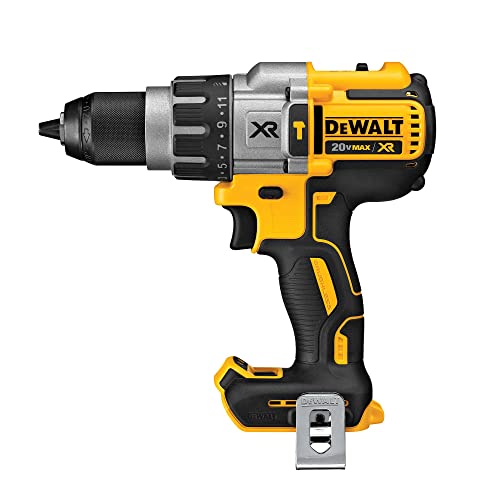
DeWalt DCD996B
Powerful brushless motor and hammer-only mode for clean brick drilling.
| Product | Best For | Key Spec | Rating | Price |
|---|---|---|---|---|
| DeWalt DCD996B | Overall | 820 in-lbs torque | 4.8/5 | $$$ |
| Makita XPH12Z | Value | 480 in-lbs torque | 4.7/5 | $$ |
| Bosch 11255VSR | Heavy Duty | 8.5 Amps | 4.6/5 | $$$ |
| Milwaukee 2804-20 | Compact | 1200 in-lbs torque | 4.8/5 | $$$ |
| Ryobi P1811 | Budget | 500 in-lbs torque | 4.5/5 | $ |
DeWalt DCD996B
Best OverallPros
- High torque for masonry bits
- Hammer-only mode prevents cracking
- Durable build with metal chuck
Cons
- Heavy at 4.8 lbs
- Expensive for casual use
The DeWalt DCD996B is a top-tier brushless hammer drill with 820 in-lbs of torque. It features a hammer-only mode that delivers rapid impacts without rotation, ideal for starting holes in brick without wandering. Owner reviews on Amazon highlight its reliability and power for masonry work.
Its three-speed transmission allows you to dial in the perfect speed for brick drilling. The side handle provides extra control, reducing the risk of cracking. For those who drill brick frequently, this is a long-term investment that pays off.

Makita XPH12Z
Best ValuePros
- Lightweight at 3.5 lbs
- Affordable price point
- Reliable Makita build
Cons
- Brushed motor less efficient
- No hammer-only mode
The Makita XPH12Z is a compact hammer drill that offers good value for DIYers. It has 480 in-lbs of torque, enough for most brick drilling tasks. Owner reviews note its comfortable grip and low vibration, which helps with control.
While it lacks a dedicated hammer-only mode, its variable speed trigger allows for gentle starts. It is best for users who drill brick occasionally and want a reliable tool without spending a lot.

Bosch 11255VSR
Best Heavy DutyPros
- High power for large holes
- Variable speed with hammer
- Durable metal housing
Cons
- Corded only
- Heavy at 5.2 lbs
The Bosch 11255VSR is a corded hammer drill with 8.5 amps of power. It is ideal for drilling multiple holes in brick or concrete. Owner reviews praise its consistent performance and low vibration.
Its variable speed trigger and hammer action allow for precise control. The side handle is adjustable for comfort. This is a great choice for heavy-duty masonry work where cordless convenience is not needed.

Milwaukee 2804-20
Best CompactPros
- Extremely compact at 6.2 in
- High torque for its size
- Excellent build quality
Cons
- Expensive
- Battery and charger sold separately
The Milwaukee 2804-20 is a compact brushless hammer drill with 1200 in-lbs of torque. Its short length makes it easy to maneuver in tight spaces. Owner reviews highlight its power and smooth operation.
It has a hammer-only mode that delivers 0-2000 BPM, ideal for starting holes in brick. The side handle is included for stability. This is a top choice for those who need a powerful yet compact drill for masonry.

Ryobi P1811
Best BudgetPros
- Very affordable
- Lightweight at 3.4 lbs
- Compatible with Ryobi ONE+ system
Cons
- Lower torque for large holes
- No hammer-only mode
The Ryobi P1811 is a budget-friendly hammer drill that is part of the Ryobi ONE+ system. It has 500 in-lbs of torque, suitable for small to medium brick holes. Owner reviews appreciate its value and ease of use.
It lacks a hammer-only mode, but its variable speed trigger allows for gentle starts. The side handle is included for better control. This is a great entry-level drill for DIYers who need to drill brick occasionally.
FAQs
Can I drill into brick without a hammer drill?
Yes, but it is much harder. A standard drill can work with a sharp masonry bit and slow speed, but a hammer drill is recommended for efficiency and to reduce cracking risk.
Should I drill into brick or mortar?
Drill into brick for most wall anchors. Mortar is softer and may not hold heavy loads. Only drill into mortar if the anchor is specifically designed for it.
What size pilot hole do I need for brick?
Use a pilot hole that is about 1/16 inch smaller than your final bit size. For a 1/4 inch anchor, use a 3/16 inch pilot bit.
Why does my drill bit keep slipping on brick?
Your bit may be dull or the tip may not be carbide. Use a sharp masonry bit and start at a 90-degree angle. Masking tape on the spot can help prevent slipping.
Do I need to use water when drilling brick?
Water can help cool the bit and reduce dust, but it is not necessary for most jobs. If drilling many holes, dip the bit in water to prevent overheating.
Can I use a regular twist bit on brick?
No. Regular twist bits are for wood and metal. They will dull quickly and can cause the brick to crack. Always use a carbide-tipped masonry bit.
How deep should I drill into brick?
Drill at least 1/4 inch deeper than the anchor length. This allows for dust accumulation and ensures the anchor sits flush.
What speed should I use to drill brick?
Use a medium speed, around 1000-1500 RPM. Too fast generates heat and can crack the brick. Too slow causes the bit to bind.
Is it safe to drill into brick near a window?
Yes, but be careful. Avoid drilling within 1 inch of the edge of the brick. Use a pilot hole and light pressure to prevent cracks from spreading.
Can I drill into brick with a cordless drill?
Yes, if it has a hammer function and enough torque. Cordless drills with 18V or higher and at least 400 in-lbs of torque are suitable for brick drilling.
What is the best bit for drilling brick?
A carbide-tipped masonry bit is the best. Look for bits with a tungsten carbide tip for durability and sharpness.
How do I stop the drill from wandering on brick?
Use a center punch to create a small indent at the mark. Alternatively, press a piece of masking tape over the spot to give the bit more grip.
Our verdict
For most users, the DeWalt DCD996B is the best overall drill for drilling into brick without cracking it, thanks to its hammer-only mode and high torque. For a budget-friendly option, the Ryobi P1811 offers good value for light masonry work.