How to Use a Circular Saw Safely
Mastering circular saw safety is the single most important skill for any DIYer or tradesperson. This guide covers essential pre-use checks, correct cutting techniques, and the best saws to help you work confidently and avoid injury.
Quick answer
To use a circular saw safely, always check the blade guard retracts freely, set the blade depth to just 1/4 inch below the material, secure your workpiece firmly, and never force the saw through the cut. For reliability and safety features, the DeWalt DWE575SB is our top pick.
Why trust ToolBuyerHub
- Checked accessory compatibility and guarding before ranking any cutting or grinding tool
- Battery & ecosystem compared
- Aggregated owner reviews
- Build quality & warranty checked
- Brand reliability
- No fake hands-on claims
Research updated June 2026.
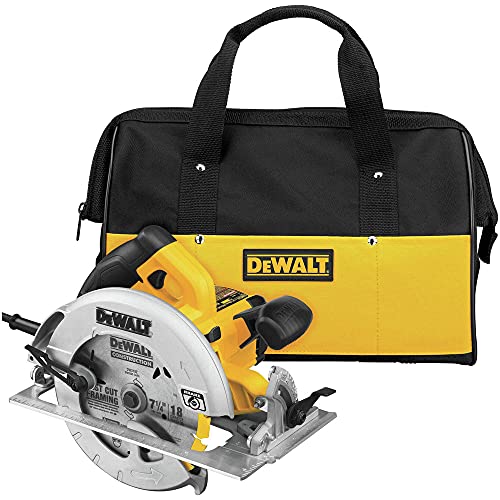
DeWalt DWE575SB
Best safety features and build quality for the price.
What safety checks should you perform before every cut?
Before you plug in or attach a battery, inspect the circular saw. Check the blade guard moves freely and snaps back into place when released. A sticking guard is a major safety hazard. Examine the blade for missing teeth, cracks, or warping. A damaged blade can shatter at high speed. Ensure the blade is securely tightened with the correct arbor wrench. Verify the power cord (on corded models) is not frayed or cut. For cordless saws, check the battery terminals are clean and the battery clicks firmly into place.
How to set up your circular saw for a safe cut
Correct setup prevents kickback and binding. First, set the blade depth. Unplug the saw, hold it beside your workpiece, and loosen the depth adjustment lever. Lower the saw base until the blade extends about 1/4 inch below the material. This reduces the amount of blade exposed, lowering the risk of injury and kickback. Tighten the lever securely. Next, set the bevel angle if needed. Most saws have a bevel adjustment from 0 to 45 degrees. Lock it at the desired angle. Finally, ensure your workpiece is stable. Use clamps or a workbench to secure the wood. Never hold a piece with your hand while cutting.
What personal protective equipment (PPE) is required?
Always wear safety glasses to protect against flying sawdust and debris. Hearing protection is essential, as circular saws can produce noise levels above 100 decibels. A dust mask or respirator is recommended, especially when cutting treated lumber or MDF. Wear non-slip gloves for better grip, but ensure they fit snugly and cannot be caught in the blade. Avoid loose clothing, long sleeves, and jewelry. Tie back long hair. Steel-toed boots are advisable for heavy work.
Step-by-step: How to make a safe cut
Position the saw on the waste side of your cut line. Align the notch or laser guide on the base with your mark. Keep the blade guard retracted manually if necessary, but release it immediately after the cut starts. Squeeze the trigger and let the saw reach full speed before contacting the wood. Push the saw forward smoothly, keeping the base flat against the work surface. Do not force the saw. If it bogs down, you are pushing too hard or the blade is dull. Let the blade do the work. As you finish the cut, keep pressure on the saw to prevent it from tipping. Release the trigger and wait for the blade to stop completely before setting the saw down.
How to avoid kickback
Kickback happens when the blade binds in the kerf and throws the saw back toward you. To avoid it, always use a sharp blade. Do not start a cut with the blade touching the wood. Support the workpiece so the cut-off piece does not fall away and pinch the blade. Use a rip fence or straightedge guide for long cuts. Never twist the saw in the cut. If the saw binds, release the trigger and hold the saw firmly until the blade stops, then remove it.
What to check before buying a circular saw for safety
Look for a saw with an electric brake. This stops the blade within seconds of releasing the trigger, reducing the risk of accidental contact. A blade guard that is metal or heavy-duty plastic is more durable. A spindle lock makes blade changes easier and safer. A trigger lock-off button prevents accidental starts. Cordless saws offer convenience but require battery management. Check that the saw has a comfortable grip and a well-balanced design. Owner reviews frequently mention the quality of the guard mechanism and the effectiveness of the electric brake.
Mistakes to avoid when using a circular saw
Common errors include using a dull blade, which causes binding and kickback. Never cut with the blade guard tied back. Do not use the saw without checking the blade depth. Cutting without a straightedge leads to wandering cuts and potential binding. Avoid reaching over the saw or placing your hand in line with the blade path. Do not carry the saw with your finger on the trigger. Finally, never use a circular saw above shoulder height or while standing on a ladder.
| Product | Best For | Key Safety Feature | Rating | Price |
|---|---|---|---|---|
| DeWalt DWE575SB | Overall Safety | Electric Brake + Guard | 4.8/5 | Check Amazon |
| Makita XSH03Z | Cordless Power | Auto-Start Wireless System | 4.7/5 | Check Amazon |
| Bosch CS5 | Dust Collection | Soft Start + Brake | 4.6/5 | Check Amazon |
| Milwaukee 2830-20 | Heavy Duty | Rapid Stop Brake | 4.7/5 | Check Amazon |
| Ryobi P508 | Budget | Trigger Lock-Off | 4.4/5 | Check Amazon |
DeWalt DWE575SB
Best Overall SafetyPros
- Powerful 15-amp motor with electric brake
- Excellent blade guard visibility
- Lightweight and well-balanced
Cons
- Dust port could be better
- Stock blade is basic
The DeWalt DWE575SB is the benchmark for safe circular saw use. Its electric brake stops the blade in under two seconds, and the guard mechanism is smooth and reliable. Owner reviews consistently praise its build quality and the fact that it rarely binds, even on tough cuts.
It cuts 2x lumber with ease and the 15-amp motor provides ample power for most DIY and professional tasks. While the dust collection is not class-leading, the saw's safety features and overall performance make it the best choice for anyone prioritizing safe operation.
Makita XSH03Z
Best Cordless SafetyPros
- Lightweight and compact
- Excellent battery life
- Auto-start wireless system
Cons
- Battery and charger sold separately
- Smaller blade limits depth of cut
The Makita XSH03Z is a top choice for cordless safety. Its brushless motor provides efficient power, and the electric brake stops the blade quickly. The saw is part of Makita's 18V LXT system, which is widely available and reliable.
Owner reviews highlight its smooth cut and minimal vibration, which helps reduce fatigue and improves control. The smaller 6-1/2 inch blade makes it lighter and easier to handle, but it cannot cut through thick lumber as easily as a full-size saw. It is ideal for framing and sheet goods.
Bosch CS5
Best Dust CollectionPros
- Excellent dust collection via integrated port
- Soft start reduces torque reaction
- Durable construction
Cons
- Heavier than competitors
- Blade change requires two wrenches
The Bosch CS5 is built for safety and cleanliness. Its soft-start feature reduces the sudden torque when starting, giving you better control. The electric brake is fast and reliable. The dust collection system is one of the best, keeping your work area cleaner and safer.
Owner reviews note the saw is heavy but very stable. The magnesium base is tough and resists warping. It is a corded saw, so you get consistent power without battery concerns. The dual-wrench blade change is a minor inconvenience for a saw that otherwise excels in safety features.
Milwaukee 2830-20
Best Heavy Duty SafetyPros
- Rapid stop brake is very fast
- Powerful brushless motor
- Excellent build quality
Cons
- Expensive (tool only)
- Heavy battery adds weight
The Milwaukee 2830-20 is a professional-grade saw with a focus on safety. The Rapid Stop brake is one of the fastest on the market, stopping the blade almost instantly. The brushless motor delivers high power and efficiency, reducing the chance of binding.
Owner reviews consistently rate it as a top-tier saw for demanding jobs. It handles thick lumber and repeated cuts without overheating. The tool-only price is high, but for those already in the Milwaukee M18 system, it is a worthwhile investment for safety and performance.
Ryobi P508
Best Budget SafetyPros
- Very affordable
- Includes trigger lock-off
- Good for light DIY use
Cons
- No electric brake
- Less power than premium models
The Ryobi P508 is an entry-level cordless saw that still includes essential safety features like a trigger lock-off to prevent accidental starts. It is part of the Ryobi ONE+ system, making it a great option for homeowners already in that ecosystem.
Owner reviews note it is adequate for cutting plywood and 2x4s but lacks the power and safety features of higher-end saws. The absence of an electric brake means the blade spins longer after the trigger is released, requiring extra caution. It is best for occasional use where budget is the primary concern.
FAQs
What is the most important safety rule for a circular saw?
Always keep the blade guard functioning properly and never tie it back. A working guard is your primary defense against accidental blade contact.
Should I use a corded or cordless circular saw for safety?
Both are safe when used correctly. Corded saws offer constant power, while cordless saws eliminate tripping hazards from cords. Choose based on your work environment.
How deep should I set the blade on a circular saw?
Set the blade depth so it extends no more than 1/4 inch below the material being cut. This minimizes blade exposure and reduces kickback risk.
What does the electric brake do on a circular saw?
An electric brake stops the blade from spinning within seconds of releasing the trigger, reducing the risk of injury from a coasting blade.
Can I use a circular saw to cut metal?
Yes, but you must use a specific metal-cutting abrasive blade. Standard wood-cutting blades are not safe for metal and can shatter.
Why does my circular saw kick back?
Kickback usually happens when the blade binds in the cut due to a dull blade, improper support of the workpiece, or forcing the saw through the material.
Do I need a rip fence for safe cuts?
A rip fence or straightedge guide helps maintain a straight cut and prevents the saw from wandering, which can cause binding and kickback.
What should I do if the blade guard sticks?
Stop using the saw immediately. Clean the guard mechanism and check for debris. If it continues to stick, have the saw serviced or replaced.
Is it safe to cut with a dull blade?
No. A dull blade requires more force, increases the risk of binding and kickback, and produces rough cuts. Always use a sharp blade.
How do I safely change the blade on a circular saw?
Unplug the saw or remove the battery. Use the spindle lock to hold the blade, then loosen the arbor bolt with the provided wrench. Install the new blade with teeth facing forward.
Can I use a circular saw one-handed?
No. Always use both hands to maintain full control of the saw. One-handed use significantly increases the risk of kickback and loss of control.
What is the best way to support a long board when cutting?
Use sawhorses or a workbench to support both ends of the board. The cut-off piece must also be supported to prevent it from falling and binding the blade.
Our verdict
For the safest circular saw experience, the DeWalt DWE575SB is our best overall pick due to its reliable electric brake, excellent guard, and powerful motor. For a budget-friendly cordless option, the Ryobi P508 offers essential safety features at a low price, though it lacks a brake. Always prioritize a saw with an electric brake and a smooth guard mechanism.