How to Use a Hammer Drill Safely
A hammer drill is a powerful tool for masonry and concrete, but its percussive force demands strict safety protocols. This guide covers the correct PPE, grip, bit selection, and drilling technique to prevent injury and tool damage.
Quick answer
To use a hammer drill safely, always wear safety glasses, ear protection, and a dust mask. Use a sharp carbide-tipped bit, apply steady pressure without forcing the tool, and never use the hammer function on wood or metal to avoid damaging the workpiece or drill.
Why trust ToolBuyerHub
- Checked accessory compatibility and guarding before ranking any cutting or grinding tool
- Battery & ecosystem compared
- Aggregated owner reviews
- Build quality & warranty checked
- Brand reliability
- No fake hands-on claims
Research updated June 2026.
What is a Hammer Drill and How Does it Work?
A hammer drill combines rotary drilling with a forward-backward hammering action. This percussive force helps break up masonry as the bit rotates, making it effective for brick, block, and concrete. Standard drills lack this mechanism and will struggle or overheat in such materials.
The hammer action is typically measured in blows per minute (BPM) and can be switched off for normal drilling in wood or metal. Understanding this dual-mode function is the first step to safe operation.
Essential Personal Protective Equipment (PPE)
Wearing the right PPE is non-negotiable when using a hammer drill. The tool creates debris, dust, and loud noise that can cause lasting harm.
- Safety glasses or goggles: Protect against flying concrete chips and dust. Impact-rated lenses are recommended.
- Ear protection: Hammer drills often exceed 90 dB. Use earplugs or earmuffs to prevent hearing damage.
- Dust mask or respirator: Silica dust from concrete is a known lung hazard. An N95 mask or half-face respirator is ideal.
- Work gloves: Provide grip and reduce vibration. Choose padded gloves for extended use.
- Steel-toe boots: Protect feet if you drop the drill or a heavy block.
Selecting the Correct Drill Bit
Using the wrong bit is a common cause of accidents and poor results. For hammer drilling, you need a carbide-tipped masonry bit with a SDS-plus or SDS-max shank for most modern drills. Standard round-shank bits can slip in the chuck.
Check the bit is sharp and free of cracks. Dull bits require more pressure, increasing the risk of the drill kicking or binding. Always match the bit diameter to the anchor or hole size required.
Preparing the Work Area
A cluttered or unstable work area is a hazard. Clear the floor of trip hazards and ensure you have a stable stance. If drilling overhead, secure the drill with a secondary lanyard to prevent dropping it.
Mark the drilling point with a pencil or marker. Use a center punch to create a small dimple in concrete or masonry. This stops the bit from wandering on start-up, giving you better control.
Setting Up the Drill Correctly
Before plugging in or inserting a battery, check the drill is set to hammer mode. Most models have a selector ring or switch. Ensure the chuck is fully tightened, and the bit is seated all the way in.
For corded models, use a residual current device (RCD) for added shock protection. For cordless, ensure the battery is fully charged and locked into place. A loose battery can disconnect mid-drill, causing a sudden loss of control.
Proper Grip and Stance
Hold the drill with both hands: one on the main handle and one on the auxiliary side handle. The side handle is critical for controlling torque reaction if the bit binds. Keep your body to one side of the drilling line, not directly behind it, to avoid injury if the drill kicks back.
Stand with feet shoulder-width apart, knees slightly bent. This lowers your center of gravity and absorbs vibration. Do not overreach; move your feet instead of stretching.
Drilling Technique: Pressure and Speed
Start the drill at low speed to seat the bit, then increase to full speed. Apply firm, steady pressure -- let the drill do the work. Forcing the drill can cause the bit to jam or the motor to overheat.
If the bit stops cutting, pull it out to clear dust from the flutes. Pushing harder will only generate heat and wear the bit. On deep holes, withdraw the bit periodically to remove debris.
When to Stop Using the Hammer Function
The hammer function is only for masonry. Never use it on wood, metal, plastic, or tile. Doing so can shatter the workpiece or damage the drill's internal mechanism. Always switch to rotary-only mode for these materials.
If you hit a hidden metal object like rebar, the drill may kick violently. Release the trigger immediately and switch to a standard drill or a rotary hammer with a rebar-cutting bit.
Common Mistakes to Avoid
- Using too much pressure: Causes bit binding, overheating, and loss of control.
- Drilling without a side handle: Greatly increases risk of wrist injury from torque reaction.
- Ignoring dust control: Silica dust is a serious health hazard. Use a vacuum attachment or wet drilling method.
- Drilling into live wires or pipes: Always use a cable/pipe detector before drilling into walls.
- Leaving the drill unattended: Unplug or remove the battery when not in use.
What to Check Before Buying a Hammer Drill
If you are in the market for a hammer drill, consider these factors to ensure safety and performance:
- Vibration control: Look for models with anti-vibration handles or AVT (Anti-Vibration Technology) to reduce fatigue.
- Variable speed trigger: Allows you to start slowly and control the bit entry.
- Clutch setting: A torque-limiting clutch prevents the drill from twisting your wrist if the bit binds.
- Side handle quality: A sturdy, adjustable side handle improves control.
- Dust extraction compatibility: Some models accept a vacuum attachment for cleaner drilling.
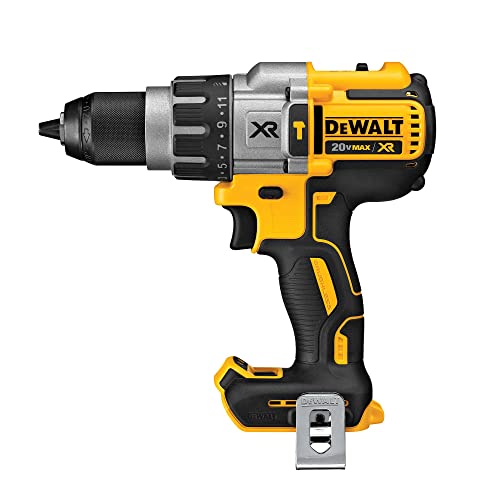
DeWalt DCD996B Hammer Drill
Powerful brushless motor with three-speed control and excellent vibration reduction.
| Product | Best For | Key Spec | Rating | Price |
|---|---|---|---|---|
| DeWalt DCD996B | Overall power | 3-speed, brushless | 4.7/5 | Check Amazon |
| Makita XPH07Z | Battery life | 5.0Ah battery, 1,090 in-lbs | 4.6/5 | Check Amazon |
| Bosch RH328VC | Rotary hammer | SDS-plus, 8.5 amps | 4.5/5 | Check Amazon |
| Milwaukee 2804-20 | Compact size | M18 Fuel, 1,200 in-lbs | 4.6/5 | Check Amazon |
| Ryobi P251 | Budget option | 18V One+, 750 in-lbs | 4.3/5 | Check Amazon |
DeWalt DCD996B
Best OverallPros
- Three-speed gearbox for precision
- Excellent vibration control
- Brushless motor for longer life
Cons
- Battery and charger sold separately
- Heavier than some compact models
The DeWalt DCD996B is a top-tier brushless hammer drill with a three-speed transmission. Owner reviews consistently praise its torque and smooth operation on masonry. The anti-vibration handle reduces fatigue during extended use.
It lacks a built-in dust extraction port, but its power and build quality make it a reliable choice for heavy DIY and professional work. The 1/2-inch metal chuck provides secure bit retention.

Makita XPH07Z
Best Battery LifePros
- Efficient brushless motor
- Compact and lightweight
- Excellent battery ecosystem
Cons
- Side handle could be more robust
- No built-in LED light
The Makita XPH07Z is a cordless hammer drill known for its runtime. Owner reviews highlight the 5.0Ah battery lasting through multiple holes in brick. The compact design makes it easy to maneuver in tight spaces.
It delivers 1,090 in-lbs of torque, enough for most masonry tasks. Some users note the side handle feels flimsy compared to DeWalt, but overall reliability is high.

Bosch RH328VC
Best Rotary HammerPros
- Powerful 8.5 amp motor
- Variable speed control
- Durable SDS-plus chuck
Cons
- Heavier than standard hammer drills
- Corded only
The Bosch RH328VC is a corded rotary hammer designed for heavy masonry work. Owner reviews note its ability to drill through reinforced concrete with ease. The variable speed trigger allows precise control.
It includes a vibration control handle and a depth stop for consistent hole depth. The main drawback is its weight, but the power output compensates for demanding jobs.

Milwaukee 2804-20
Best CompactPros
- Compact and lightweight
- High torque output
- Excellent build quality
Cons
- Battery not included
- Side handle is basic
The Milwaukee 2804-20 is a compact M18 Fuel hammer drill that delivers 1,200 in-lbs of torque. Owner reviews highlight its small size for tight spaces without sacrificing power. The brushless motor ensures efficient battery use.
It performs well on brick and light concrete but may struggle on thick reinforced slabs. The chuck is metal and holds bits securely. It is a favorite for electricians and plumbers.

Ryobi P251
Best BudgetPros
- Affordable price point
- Compatible with Ryobi One+ system
- Decent power for light masonry
Cons
- Less torque than premium models
- Higher vibration levels
The Ryobi P251 is a budget-friendly cordless hammer drill for occasional DIY use. Owner reviews say it handles brick and block well but struggles with dense concrete. The brushed motor is less efficient than brushless options.
It is lightweight and easy to handle, making it suitable for small projects. The side handle is plastic but functional. For the price, it offers good value for homeowners.
FAQs
Can I use a hammer drill on wood?
No, the hammer function should be switched off for wood. Using it can splinter the wood and damage the drill.
Do I need a special bit for a hammer drill?
Yes, use a carbide-tipped masonry bit with an SDS or standard shank designed for hammer drilling.
Why does my hammer drill keep stopping?
This is often due to a dull bit, insufficient pressure, or the drill overheating. Clear dust from the hole and let the drill cool.
Is a hammer drill the same as a rotary hammer?
No, a rotary hammer uses a piston mechanism for more powerful impact, while a hammer drill uses a cam action for lighter duty.
How do I change the bit on a hammer drill?
For keyless chucks, rotate the sleeve counterclockwise. For SDS chucks, pull back the collar and insert the bit.
Can I use a hammer drill on tile?
Only if you switch to rotary-only mode and use a tile bit. The hammer action will crack the tile.
What does BPM mean on a hammer drill?
BPM stands for blows per minute, indicating how fast the hammer mechanism strikes. Higher BPM means faster drilling in masonry.
Should I wear gloves when using a hammer drill?
Yes, padded gloves reduce vibration and improve grip. Avoid loose gloves that could snag.
How do I prevent the drill from kicking back?
Use the side handle, maintain a firm grip, and start drilling at low speed. Do not force the tool.
Can I use a hammer drill to mix mortar?
No, hammer drills are not designed for mixing. Use a dedicated paddle mixer to avoid overheating.
Our verdict
For most users, the DeWalt DCD996B offers the best balance of power, vibration control, and versatility for safe hammer drilling. If you are on a budget, the Ryobi P251 is a capable entry-level option for light masonry work. Always prioritize PPE and correct technique.