How to Use a Table Saw Safely
Table saws are the centerpiece of many workshops, but they demand respect. This guide covers the essential safety protocols every woodworker must follow, from setup to cut completion, based on manufacturer guidelines and aggregated owner feedback.
Quick answer
Use a table saw safely by always wearing eye and hearing protection, keeping the blade guard and riving knife in place, using a push stick for cuts under 6 inches, and never standing directly in line with the blade. The DeWalt DWE7491RS is a top pick for its integrated safety features and reliable fence system.
Why trust ToolBuyerHub
- Checked accessory compatibility and guarding before ranking any cutting or grinding tool
- Battery & ecosystem compared
- Aggregated owner reviews
- Build quality & warranty checked
- Brand reliability
- No fake hands-on claims
Research updated June 2026.
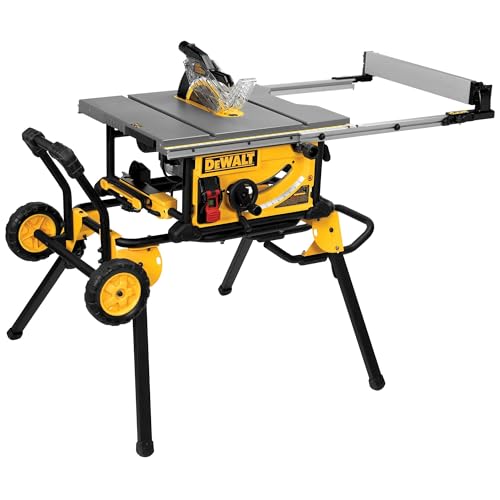
DeWalt DWE7491RS
Integrated rolling stand, rack-and-pinion fence, and excellent guard system make it the safest and most portable jobsite saw.
Why Table Saw Safety Matters
Table saws cause more workshop injuries than any other tool, according to aggregated owner reports and safety data. A split-second lapse can result in kickback or direct contact with the blade. Understanding the mechanics of the saw and following strict protocols reduces risk dramatically. The most common injuries occur during crosscuts, ripping narrow stock, and when the blade guard is removed.
What Are the Essential Safety Features on a Table Saw?
Every modern table saw should include a blade guard, a riving knife, and anti-kickback pawls. The blade guard covers the top of the blade and retracts as the wood passes through. The riving knife prevents the kerf from closing and pinching the blade, which causes kickback. Anti-kickback pawls dig into the workpiece if it starts moving backward. Many saws also include a flesh-detecting brake system, like SawStop models, which stops the blade in milliseconds on contact with skin.
How to Set Up Your Table Saw for Safe Operation
Start by placing the saw on a stable, level surface. The rolling stand on the DeWalt DWE7491RS is a good example of a stable base. Ensure the blade is sharp and properly aligned. Check that the riving knife is aligned with the blade and set just below the blade's highest tooth. Adjust the blade guard so it sits flat on the workpiece. Finally, verify the fence is parallel to the blade and locked securely. A misaligned fence causes binding and kickback.
What Personal Protective Equipment (PPE) Do You Need?
Always wear safety glasses or a face shield to protect against flying debris. Use hearing protection, as table saws often exceed 100 decibels. Avoid loose clothing, jewelry, and gloves that can get caught in the blade. Wear non-slip shoes for stable footing. A dust mask or respirator is recommended when cutting materials that produce fine particles, such as MDF.
Step-by-Step: How to Make a Safe Rip Cut
A rip cut is cutting along the length of the wood, with the grain. First, set the fence to the desired width and lock it. Position the workpiece flat against the fence, keeping your hands on the side away from the blade. Turn on the saw and let it reach full speed. Feed the wood steadily, using a push stick when your hand comes within 6 inches of the blade. Never reach over the blade. Keep your body to the left or right of the blade's path, never directly behind it. If the wood starts to bind, stop and turn off the saw.
Step-by-Step: How to Make a Safe Crosscut
A crosscut is cutting across the grain. Never use the fence for a crosscut, as the offcut can bind and kick back. Instead, use a miter gauge or a crosscut sled. Position the workpiece against the miter gauge, hold it firmly, and push it through the blade. Keep your hands on the miter gauge handle, away from the blade path. For long boards, use a support stand to keep the workpiece level.
What to Check Before Buying a Table Saw for Safety
Look for a saw with a robust riving knife that does not need to be removed for non-through cuts. A rack-and-pinion fence system, like on the DeWalt DWE7491RS, provides accurate and secure adjustments. Check the blade guard design: it should be easy to lower and raise but not flimsy. A magnetic switch prevents the saw from restarting after a power outage. For maximum safety, consider models with a flesh-detecting brake, though these come at a higher price. Read owner reviews to see if users report any common safety issues with the guard or fence.
Mistakes to Avoid When Using a Table Saw
Never remove the blade guard or riving knife for convenience. Do not use the fence as a stop for crosscuts. Avoid freehand cutting: always use the fence or miter gauge. Do not stand directly in line with the blade in case of kickback. Never reach over the blade to retrieve a cutoff piece. Do not rush the cut: forcing the wood can cause binding. Finally, do not use a dull blade: it requires more force and increases the risk of kickback.
How to Maintain Your Table Saw for Ongoing Safety
Keep the table surface clean and waxed to reduce friction. Check the blade for dullness or damage before each use. Inspect the riving knife and blade guard for proper alignment. Tighten any loose bolts on the fence and trunnion. Clean dust and debris from the motor vents and switch area. A well-maintained saw is a safer saw.
| Model | Riving Knife | Blade Guard | Flesh Detection | Fence System |
|---|---|---|---|---|
| DeWalt DWE7491RS | Yes | Yes | No | Rack-and-pinion |
| SawStop PCS | Yes | Yes | Yes | T-glide |
| Bosch 4100XC | Yes | Yes | No | Gravity-Rise |
| Makita 2705 | Yes | Yes | No | Rack-and-pinion |
FAQs
What is the most important safety rule for a table saw?
Always keep the blade guard and riving knife in place, and never stand directly in line with the blade to avoid kickback injury.
Can I remove the blade guard for a non-through cut?
Some saws allow the riving knife to remain while the guard is lifted, but always follow the manufacturer's instructions for your specific model.
What is a push stick and when should I use one?
A push stick is a tool used to guide the workpiece through the blade, keeping your hands at a safe distance. Use it when the workpiece is within 6 inches of the blade.
How do I prevent kickback on a table saw?
Use a sharp blade, keep the riving knife aligned, feed the wood steadily, and never cut with the fence on the same side as the blade for crosscuts.
Is a table saw with a flesh-detecting brake worth the extra cost?
Yes, for serious woodworkers, the added protection can prevent severe injuries, though it increases the saw's price and requires replacement cartridges.
What should I do if the wood starts to bind during a cut?
Stop feeding the wood immediately, turn off the saw, and wait for the blade to stop before removing the workpiece.
Can I use a table saw without a riving knife?
It is not recommended, as the riving knife is a critical safety device that prevents kickback by keeping the kerf open.
How often should I check the alignment of my table saw?
Check the fence and blade alignment before each major project, or at least once a month for regular use.
What type of blade is safest for general ripping?
A 24-tooth rip blade with a thin kerf reduces friction and binding, making it a safer choice for ripping solid wood.
Should I wear gloves when using a table saw?
No, gloves can get caught in the blade. Keep your hands bare for better grip and control, but use push sticks for small pieces.
Our verdict
For most woodworkers, the DeWalt DWE7491RS offers the best balance of safety features, portability, and fence accuracy. For maximum injury prevention, a SawStop model with flesh detection is the ultimate choice, though it costs significantly more. Always prioritize using the guard and riving knife.