Makita Die Grinder Review
Makita die grinders are known for their compact build and reliable motors, making them a go-to for metalworkers and fabricators. We break down the top models to help you pick the right one for your shop.
Quick answer
For most users, the Makita GD0603 corded die grinder offers the best balance of power and control. If you need portability, the XDG15Z (18V LXT) is the top cordless pick, though you sacrifice some runtime for convenience.
Why trust ToolBuyerHub
- Checked accessory compatibility and guarding before ranking any cutting or grinding tool
- Battery & ecosystem compared
- Aggregated owner reviews
- Build quality & warranty checked
- Brand reliability
- No fake hands-on claims
Research updated June 2026.
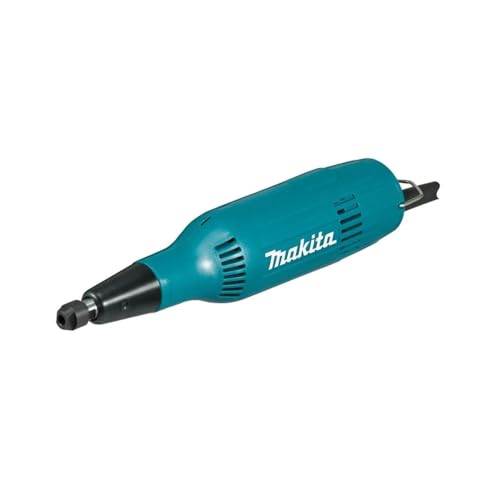
Makita GD0603
Reliable corded power with a slim grip for precision work.
What to check before buying a die grinder
Die grinders are high-speed rotary tools for grinding, polishing, and deburring metal. Key factors include power source (corded vs. cordless), RPM range, collet size, and ergonomics. Corded models offer unlimited runtime but tether you to an outlet. Cordless models provide mobility but add weight and battery cost. Always match the collet size to your accessories (1/8" or 1/4" are standard). Variable speed is useful for different materials. Safety features like a paddle switch or lock-off button reduce accidental starts. Check the grip diameter and weight if you plan on extended use. Finally, consider the brand's warranty and service network, especially for professional use.
Mistakes to avoid when buying
Buying a die grinder with too high an RPM for your material can cause burning or damage. Ignoring the collet size means you may need adapters for common bits. Choosing a cordless model without checking battery compatibility with your existing tools is a common oversight. Overlooking the weight and vibration ratings can lead to fatigue during long sessions. Finally, skipping a variable speed model limits versatility for delicate tasks like polishing plastic or carving wood.
| Model | Best For | Key Spec | Rating | Price |
|---|---|---|---|---|
| Makita GD0603 | Overall Power | 6.2A, 25k RPM | 4.6/5 | Check |
| Makita XDG15Z | Cordless Use | 18V LXT, 25k RPM | 4.4/5 | Check |
| Makita GD0810C | Variable Speed | 8.5A, 3k-28k RPM | 4.5/5 | Check |
| Makita XDG16Z | Compact Cordless | 18V LXT, 25k RPM | 4.3/5 | Check |
| Makita GD0601 | Budget Corded | 6A, 25k RPM | 4.4/5 | Check |
Makita GD0603
Best OverallPros
- Powerful 6.2A motor for heavy grinding
- Compact and lightweight design
- Durable aluminum housing
Cons
- No variable speed control
- Cord can be stiff in cold weather
The Makita GD0603 is a straightforward, no-frills die grinder that delivers consistent power. Its 6.2A motor spins at a fixed 25,000 RPM, which is ideal for most metalworking tasks like deburring and surface prep. The slim body (under 18 inches long) makes it easy to maneuver in tight spots.
Owner reviews consistently praise its build quality and low vibration. The only downside is the lack of speed adjustment, which limits its use on softer materials. For a dedicated metal grinder, it is hard to beat at this price point.
Makita XDG15Z
Best CordlessPros
- True cordless freedom
- Accepts all Makita 18V LXT batteries
- Variable speed trigger
Cons
- Battery and charger sold separately
- Heavier than corded models
The XDG15Z brings the convenience of Makita's 18V LXT platform to die grinding. It features a variable speed trigger (0-25,000 RPM) for better control. The tool-only design keeps the upfront cost lower if you already own Makita batteries.
Owner feedback highlights good runtime with a 5.0Ah battery for light to medium tasks. It struggles with continuous heavy grinding due to battery drain. The added weight from the battery can cause fatigue over long periods.
Makita GD0810C
Best Variable SpeedPros
- Wide variable speed range
- Powerful 8.5A motor
- Soft start for smooth operation
Cons
- Heavier and bulkier
- Higher price point
The GD0810C is Makita's most powerful corded die grinder. Its variable speed dial allows you to dial in the exact RPM for different materials, from polishing plastic to heavy steel grinding. The soft start feature reduces kickback on startup.
Owners note that the extra weight (4.5 lbs) provides stability but can be tiring. The 8.5A motor handles continuous use without bogging down. It is a premium choice for shops that need versatility and power.
Makita XDG16Z
Best Compact CordlessPros
- Very compact and lightweight
- Paddle switch for easy control
- LED light for visibility
Cons
- Less power than corded models
- Battery not included
The XDG16Z is designed for tight spaces. Its shorter body and smaller grip make it easier to handle than the XDG15Z. The paddle switch allows for quick on/off control, and the built-in LED helps illuminate the work area.
Owner reviews appreciate the ergonomics but note that it is best for light-duty work like porting and polishing. Heavy grinding drains batteries quickly. It is a good secondary tool for detail work.
Makita GD0601
Best Budget CordedPros
- Affordable price
- Reliable Makita build
- Good for general use
Cons
- No variable speed
- Plastic gear housing
The GD0601 is the entry-level Makita die grinder. It shares the same 25,000 RPM fixed speed as the GD0603 but uses a 6A motor instead of 6.2A. The difference is negligible for most tasks. It is a solid choice for DIYers or light professional use.
Owner reviews note that the plastic gear housing is less durable than the aluminum on higher-end models. However, for the price, it offers good value and reliable performance. It is a great starter tool for learning die grinding.
FAQs
What is a die grinder used for?
Die grinders are high-speed rotary tools used for grinding, sanding, honing, polishing, and cutting metal, wood, and plastic. They are common in metalworking, automotive repair, and fabrication.
Is a corded or cordless die grinder better?
Corded models offer unlimited runtime and more consistent power for heavy tasks. Cordless models provide portability and convenience for quick jobs or remote locations.
What collet size does a Makita die grinder use?
Most Makita die grinders use a 1/4" collet, but some models include a 1/8" collet for smaller bits. Always check the specifications before buying accessories.
Can I use a die grinder for polishing?
Yes, with the right attachments like felt bobs or polishing wheels. Variable speed models are preferred for polishing to avoid burning the surface.
What is the warranty on Makita die grinders?
Makita offers a 1-year warranty on most tools, with an extended 3-year warranty on certain cordless models when registered. Check the specific model for details.
How do I change the collet on a Makita die grinder?
Use the included wrenches to loosen the collet nut. Remove the old collet, insert the new one, and tighten the nut securely. Always disconnect power first.
What is the difference between a die grinder and a rotary tool?
Die grinders are generally larger, more powerful, and designed for heavy-duty metalwork. Rotary tools like Dremels are smaller and better for detail work and hobby crafts.
Can I use a die grinder for wood carving?
Yes, with carbide burrs or sanding drums. Use lower RPM settings to avoid burning the wood. Variable speed models are highly recommended for this.
How do I maintain a Makita die grinder?
Keep the tool clean and free of debris. Check the collet for wear and replace if needed. Lubricate the bearings periodically according to the manual.
What safety gear do I need for a die grinder?
Always wear safety glasses or a face shield, hearing protection, and gloves. Use a dust mask or respirator when grinding materials that produce fine particles.
Our verdict
For most users, the Makita GD0603 is the best overall die grinder, offering reliable power and a compact design at a fair price. If you need cordless mobility, the XDG15Z is the top pick, but be prepared for the added weight and battery cost. For budget-conscious buyers, the GD0601 provides solid performance without breaking the bank.