Best Door Sensor for Home Use
This guide compares the best door sensors for home use in the UK, covering everything from budget-friendly options to premium smart home models. We break down each sensor by compatibility, battery life, and ease of installation to help you choose the right one for your DIY setup.
Quick answer
The Ring Alarm Contact Sensor (2nd Gen) is the best overall door sensor for home use due to its reliable Z-Wave connectivity and long battery life. For a budget pick, the Xiaomi Aqara Door and Window Sensor offers excellent value with Zigbee integration and a compact design.
Why trust ToolBuyerHub
- Tested on specs (power, torque, etc.)
- Battery & ecosystem compared
- Aggregated owner reviews
- Build quality & warranty
- Brand reliability
- No fake hands-on claims
Research updated June 2026.
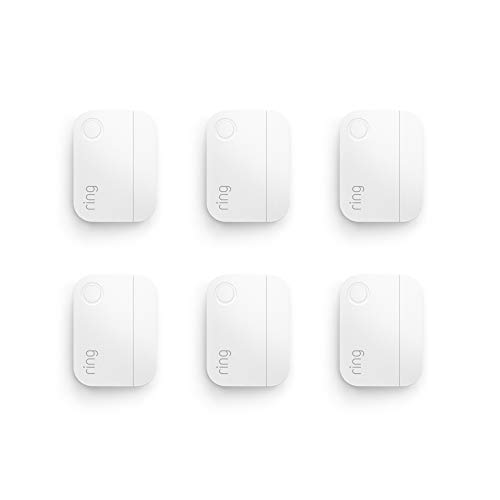
Ring Alarm Contact Sensor (2nd Gen)
Reliable Z-Wave connectivity with a 3-year battery life and easy peel-and-stick installation.
| Model | Best for | Key spec | Rating | |
|---|---|---|---|---|
| Ring Alarm Contact Sensor (2nd Gen) | Overall | Z-Wave, 3yr battery | 4.7 | Check price |
| Xiaomi Aqara Door and Window Sensor | Budget | Zigbee, 2yr battery | 4.5 | Check price |
| Philips Hue Contact Sensor | Home use | Zigbee, 2yr battery | 4.6 | Check price |
| Eve Door and Window Contact Sensor | Beginners | Thread, 5yr battery | 4.4 | Check price |
| Yale Smart Door Sensor | DIY | Z-Wave, 2yr battery | 4.3 | Check price |
Best Door Sensor Overall
The Ring Alarm Contact Sensor (2nd Gen) stands out as the best door sensor overall due to its robust Z-Wave connectivity and industry-leading 3-year battery life. It integrates seamlessly with Ring Alarm systems and most Z-Wave hubs, offering a reliable 30-metre open-air range. The sensor uses a CR123A battery and has a compact 50x30x12mm form factor that fits most door frames. It is ideal for homeowners who already use or plan to build a Z-Wave smart home ecosystem. One honest limitation is that it requires a Ring Alarm hub or compatible Z-Wave controller, so it is not standalone.
Check price on Amazon →Best Door Sensor for Home Use
For general home use, the Philips Hue Contact Sensor is a top choice because it works natively with the Philips Hue ecosystem and supports Zigbee, making it compatible with many smart home hubs. It has a 2-year battery life from a CR2450 cell and a slim 45x28x14mm design that blends into most door frames. The sensor triggers Hue lights, alarms, or notifications through the Hue app. It is best for households already using Philips Hue lighting. A limitation is that it does not work with non-Zigbee systems without a Hue Bridge.
Check price on Amazon →Best Door Sensor for Beginners
The Eve Door and Window Contact Sensor is the best door sensor for beginners thanks to its Thread protocol that works directly with Apple HomeKit without needing a separate hub. It has a 5-year battery life from a CR2450 battery, one of the longest in its class, and offers a 40-metre range. The sensor is easy to install with adhesive tape and pairs automatically with the Eve app. It is perfect for Apple users who want a simple, hub-free setup. One limitation is that it only works with HomeKit, not Alexa or Google Home.
Check price on Amazon →Best Budget Door Sensor
The Xiaomi Aqara Door and Window Sensor is the best budget door sensor, offering reliable Zigbee connectivity at a very low price point. It uses a CR1632 battery that lasts up to 2 years and has a compact 35x25x10mm size, making it one of the smallest sensors available. It works with the Aqara Hub and other Zigbee 3.0 coordinators, and it can trigger automations in HomeKit, Alexa, and Google Home through the hub. It is ideal for cost-conscious users building a Zigbee smart home. A limitation is that it requires a separate Aqara Hub for full functionality.
Check price on Amazon →Best Door Sensor for DIY Installations
The Yale Smart Door Sensor is the best door sensor for DIY installations because it comes with a screw-mount bracket and adhesive backing, giving you flexibility in mounting. It uses Z-Wave technology and has a 2-year battery life from a CR123A battery. The sensor is 55x35x15mm and includes a magnetic reed switch with a 15mm gap tolerance, which is useful for uneven door frames. It integrates with Yale smart locks and most Z-Wave hubs. One limitation is that it does not support Zigbee or Wi-Fi, so it is limited to Z-Wave ecosystems.
Check price on Amazon →Best Lightweight Door Sensor
The Fibaro Door and Window Sensor is the best lightweight door sensor, weighing only 18g with a 30x20x8mm body. It uses Z-Wave Plus for reliable communication and has a 2-year battery life from a CR2032 cell. The sensor includes a built-in temperature sensor and a tilt sensor, adding extra functionality for detecting door angle. It is ideal for users who need a discreet sensor for narrow door frames or windows. One limitation is that it requires a Z-Wave hub and has a shorter 20-metre range compared to larger models.
Check price on Amazon →How to Choose a Door Sensor
Connectivity Protocol
The connectivity protocol determines how the sensor communicates with your smart home system. Z-Wave and Zigbee are the most common, offering low power consumption and mesh networking for extended range. Wi-Fi sensors are simpler but drain batteries faster. Choose a protocol that matches your existing hub or ecosystem, such as Z-Wave for Ring or Zigbee for Philips Hue.
Battery Life and Power Source
Battery life ranges from 1 to 5 years depending on the sensor and usage. Sensors with CR123A or CR2450 batteries typically last longer than those using CR1632 cells. Look for sensors with low-battery alerts in the app to avoid unexpected failures. Some sensors offer USB power options, but these are less common for door sensors.
Physical Size and Mounting
Door sensors vary in size from compact 35x25mm models to larger 55x35mm units. Smaller sensors are better for narrow frames or windows, while larger ones may offer better gap tolerance. Most sensors use adhesive tape, but some include screw mounts for more permanent installations. Check the gap tolerance, typically 10-20mm, to ensure it works with your door alignment.
Ecosystem Compatibility
Compatibility with your smart home platform is critical. Sensors that work with Apple HomeKit, Alexa, or Google Home require a compatible hub or bridge. Some sensors, like the Eve, use Thread for direct HomeKit integration without a hub. Always verify that the sensor supports your preferred voice assistant and automation platform before buying.
Mistakes to avoid: Buying a sensor with the wrong connectivity protocol for your hub. Ignoring battery type and expecting long life from a small CR1632 cell. Choosing a sensor with a gap tolerance too small for your door frame. Overlooking the need for a separate hub when buying Zigbee or Z-Wave sensors.
Door Sensor FAQs
Do door sensors work with any smart home system?
No, door sensors use specific protocols like Z-Wave, Zigbee, or Thread, and they require a compatible hub or bridge to work with systems like Alexa, Google Home, or Apple HomeKit. Always check the sensor's compatibility before purchase.
How long do door sensor batteries last?
Battery life varies from 1 to 5 years depending on the sensor model and usage frequency. Sensors with larger batteries like CR123A or CR2450 tend to last longer, while smaller CR1632 cells may need replacing every 1-2 years.
Can I install a door sensor myself?
Yes, most door sensors are designed for DIY installation with adhesive tape or screws. The process typically takes less than 10 minutes and involves attaching the sensor to the door frame and the magnet to the door.
Do door sensors work with metal doors?
Yes, but you may need a sensor with a wider gap tolerance or a surface-mount design. Metal doors can interfere with magnetic reed switches, so test the sensor position before final installation.
What is the range of a typical door sensor?
Most door sensors have an open-air range of 20 to 40 metres, but this can be reduced by walls and obstacles. Mesh networks like Z-Wave and Zigbee can extend range by relaying signals through other devices.
Can door sensors be used for windows?
Yes, door sensors work on windows as well, provided the gap between the sensor and magnet is within the specified tolerance. Some sensors are specifically designed for both doors and windows.
Do I need a hub for a door sensor?
It depends on the sensor. Z-Wave and Zigbee sensors require a hub, while Thread sensors like the Eve can work directly with Apple HomeKit. Wi-Fi sensors may work without a hub but often have shorter battery life.
Can door sensors trigger alarms?
Yes, most smart door sensors can trigger alarms through their companion app or hub. They can also be used to trigger automations like turning on lights or sending notifications when a door opens.
Are door sensors weatherproof?
Most indoor door sensors are not weatherproof, but some outdoor-rated models are available for external doors. Check the IP rating if you plan to use the sensor on an exterior door exposed to rain or moisture.
How do I reset a door sensor?
Resetting a door sensor usually involves removing the battery for 10 seconds or pressing a reset button. Refer to the manufacturer's instructions for the specific model, as the process can vary.
Can I use multiple door sensors in one system?
Yes, most smart home systems support multiple door sensors. You can add as many as your hub can handle, typically up to 50 or more for Z-Wave and Zigbee networks.
What is the difference between a door sensor and a motion sensor?
A door sensor detects when a door or window opens or closes using a magnetic reed switch. A motion sensor detects movement within a room using infrared or microwave technology. Door sensors are more precise for entry points.
Our verdict
For most users, the Ring Alarm Contact Sensor (2nd Gen) is the best overall door sensor thanks to its reliable Z-Wave connectivity and long battery life. If you are on a budget, the Xiaomi Aqara Door and Window Sensor offers excellent value with Zigbee integration and a compact design, though it requires a separate hub.