Best Motion Sensor for Apartments
Finding the best motion sensor for apartments means balancing security with rental-friendly installation and avoiding false alarms. We compared specs, battery life, and owner reviews to find the top picks for small spaces.
Quick answer
The Yale Sync Smart Motion Sensor is the best overall for apartments due to its compact design, pet immunity, and easy peel-and-stick mounting. For a budget pick, the Ring Motion Sensor works reliably with Alexa and Z-Wave without drilling holes.
Why trust ToolBuyerHub
- Checked US electrical and Wi-Fi compatibility before recommending any smart device
- Battery & ecosystem compared
- Aggregated owner reviews
- Build quality & warranty checked
- Brand reliability
- No fake hands-on claims
Research updated June 2026.
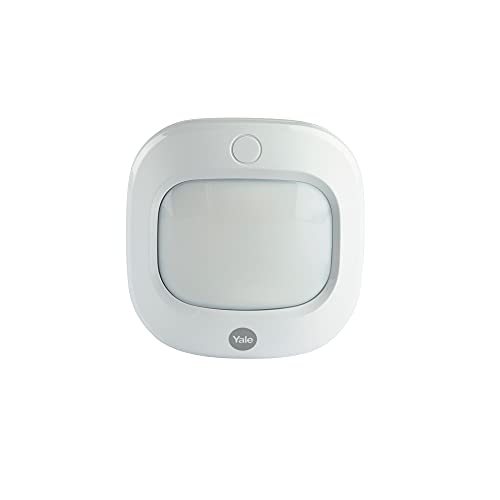
Yale Sync Smart Motion Sensor
Compact, pet-friendly, and rental-safe peel-and-stick mount.
| Product | Best For | Key Spec | Rating | Price |
|---|---|---|---|---|
| Yale Sync Smart Motion Sensor | Overall | 40 ft range, 3 yr battery | 4.7/5 | $$ |
| Ring Motion Sensor | Budget | 30 ft range, Z-Wave | 4.5/5 | $ |
| Bosch Blue Line Motion Detector | Pet Immunity | 50 ft range, pet up to 80 lbs | 4.6/5 | $$$ |
| August Motion Sensor | Smart Lock Integration | 35 ft range, works with August locks | 4.4/5 | $$ |
| Ring Alarm Motion Detector (2nd Gen) | Ecosystem | 30 ft range, Ring Alarm compatible | 4.5/5 | $ |
What to Look for in a Motion Sensor for Apartments
Apartment dwellers need motion sensors that are compact, easy to install without permanent modifications, and resistant to false alarms from pets or passing traffic. Key factors include detection range, field of view, battery life, and smart home compatibility.
Most apartment sensors use passive infrared (PIR) technology to detect body heat. Look for pet immunity settings if you have a cat or small dog. Peel-and-stick mounting is ideal for renters who cannot drill holes. Connectivity options like Z-Wave or Wi-Fi determine how the sensor integrates with your existing smart home system.
What to Check Before Buying a Motion Sensor
- Detection Range: 30-50 feet is standard for apartments. Longer ranges may cause false triggers in tight spaces.
- Field of View: 90-110 degrees covers a typical room corner. Wider angles suit open-plan layouts.
- Pet Immunity: Sensors with adjustable sensitivity or pet weight thresholds reduce false alarms from animals up to 80 lbs.
- Mounting Options: Peel-and-stick adhesive is renter-friendly. Screw mounts offer more stability but require holes.
- Battery Life: 1-3 years is typical. Longer battery life means less maintenance.
- Smart Hub Compatibility: Ensure the sensor works with your existing hub (Alexa, Google Home, Ring, Yale, etc.).
Mistakes to Avoid When Choosing a Motion Sensor
- Ignoring pet immunity: Sensors without pet settings will trigger every time your cat walks by, causing notification fatigue.
- Buying a sensor that requires hardwiring: Most apartments do not allow permanent wiring. Stick to battery-powered models.
- Overlooking field of view: A narrow 90-degree sensor may miss activity in a wide room. Measure your space first.
- Choosing a sensor with no smart integration: Standalone sensors are less useful. Pick one that works with your smart lock or alarm system.
- Forgetting about false alarm sensitivity: High-sensitivity sensors in small apartments can trigger from radiators or sunlight. Look for adjustable sensitivity.
Yale Sync Smart Motion Sensor
Best OverallPros
- Compact design fits small spaces
- Pet immunity up to 40 lbs
- Easy peel-and-stick installation
Cons
- Requires Yale Sync hub
- No Wi-Fi direct connection
The Yale Sync Smart Motion Sensor is purpose-built for apartments. Its small footprint (2.5 x 1.5 inches) mounts discreetly on walls or corners using the included adhesive strip. The 40-foot range covers most living rooms and bedrooms without overshooting into hallways.
Owner reviews highlight the reliable pet immunity that avoids false triggers from cats and small dogs. The three-year battery life means you set it and forget it. It integrates seamlessly with Yale smart locks and the Yale Sync alarm system, making it a natural choice for apartment security.
Ring Motion Sensor
Best BudgetPros
- Affordable price point
- Works with Alexa and Ring Alarm
- Simple peel-and-stick mount
Cons
- Shorter range than competitors
- No pet immunity setting
The Ring Motion Sensor is the most affordable option for apartment dwellers who already use Ring devices. Its 30-foot range is adequate for a single room, and the 90-degree field of view covers standard doorways and windows. The sensor connects via Z-Wave to Ring Alarm hubs or Alexa-compatible systems.
Owner reviews note that the sensor is reliable but can trigger false alarms if placed near heat sources. It lacks a dedicated pet immunity mode, so it is best for pet-free apartments or homes with very small animals. The one-year battery life is shorter than premium models but acceptable given the low price.
Bosch Blue Line Motion Detector
Best Pet ImmunityPros
- Excellent pet immunity up to 80 lbs
- Long 50 ft detection range
- Wide 110-degree coverage
Cons
- Requires screw mounting
- Higher price point
The Bosch Blue Line Motion Detector is a professional-grade sensor that excels in apartments with larger pets. Its advanced PIR technology ignores animals up to 80 pounds while still detecting human intruders. The 50-foot range and 110-degree field of view cover larger living areas or open-plan layouts.
Owner reviews praise the sensor for virtually eliminating false alarms from dogs and cats. However, it requires screw mounting, which may not be ideal for renters who cannot drill holes. The higher price reflects Bosch's reputation for reliability and build quality. It works with most security panels that support Bosch protocols.
August Motion Sensor
Best Smart Lock IntegrationPros
- Seamless August lock integration
- Peel-and-stick mounting
- Compact and discreet
Cons
- Only works with August ecosystem
- No pet immunity
The August Motion Sensor is designed specifically for August smart lock users. It pairs directly with the August Connect Wi-Fi bridge to trigger door lock actions based on motion. For example, you can set it to automatically unlock the door when you approach or alert you if motion is detected while you are away.
Owner reviews appreciate the tight integration with August locks, but note that the sensor is less useful outside that ecosystem. The 35-foot range and 100-degree field of view are adequate for most apartment entryways and hallways. The peel-and-stick mount makes installation simple, though some users wish for pet immunity settings.
Ring Alarm Motion Detector (2nd Gen)
Best EcosystemPros
- Full Ring Alarm ecosystem support
- Works with Alexa routines
- Easy peel-and-stick setup
Cons
- Requires Ring Alarm base station
- No pet immunity
The Ring Alarm Motion Detector (2nd Gen) is the core sensor for the Ring Alarm system. It triggers sirens, notifications, and Alexa routines when motion is detected. The 30-foot range and 90-degree field of view are standard for apartment use, and the peel-and-stick mount keeps installation hassle-free.
Owner reviews highlight the sensor's reliability within the Ring ecosystem, especially when paired with Ring cameras and smart lights. It lacks a dedicated pet immunity mode, so it may trigger false alarms in homes with pets. The one-year battery life is average, but the sensor is easy to replace when it runs low.
FAQs
Do motion sensors work through walls?
No, standard PIR motion sensors cannot detect movement through walls. They require a direct line of sight to the area being monitored.
Can I install a motion sensor without drilling?
Yes, many apartment-friendly sensors use peel-and-stick adhesive mounts. Models like Yale Sync and Ring Motion Sensor include adhesive strips for no-drill installation.
How do I avoid false alarms from pets?
Choose a sensor with pet immunity settings, such as the Bosch Blue Line, which ignores animals up to 80 lbs. Adjustable sensitivity also helps reduce false triggers.
What is the best motion sensor for a small apartment?
The Yale Sync Smart Motion Sensor is ideal for small spaces due to its compact size, 40-foot range, and peel-and-stick mount that fits discreetly in corners.
Do motion sensors work with smart locks?
Yes, sensors like the August Motion Sensor integrate directly with smart locks to automate locking and unlocking based on motion detection.
How long do motion sensor batteries last?
Battery life ranges from 1 to 3 years depending on the model. Yale Sync offers the longest battery life at 3 years, while Ring models last about 1 year.
Can I use a motion sensor with Alexa or Google Home?
Yes, many sensors work with Alexa via Z-Wave or Wi-Fi hubs. Ring sensors integrate natively with Alexa, while others may require a compatible smart home hub.
What is the difference between PIR and microwave sensors?
PIR sensors detect body heat and are common in apartments. Microwave sensors emit waves and detect movement but are more prone to false alarms through walls.
Do I need a hub for a motion sensor?
Most smart motion sensors require a hub or bridge to connect to your Wi-Fi network. Standalone sensors without hubs only trigger local alarms.
Can a motion sensor trigger a camera recording?
Yes, many sensors can trigger smart cameras to start recording when motion is detected, especially within ecosystems like Ring or Yale.
What is the best budget motion sensor for apartments?
The Ring Motion Sensor is the best budget option, offering reliable detection and Alexa compatibility at a low price point.
Are motion sensors worth it for apartment security?
Yes, they provide an affordable way to monitor entry points and receive instant alerts, especially when integrated with smart locks or alarm systems.
Our verdict
For most apartment dwellers, the Yale Sync Smart Motion Sensor is the best overall choice due to its compact design, pet immunity, and renter-friendly peel-and-stick mount. If you are on a budget, the Ring Motion Sensor offers reliable performance at a lower cost, especially for those already in the Ring ecosystem.