Best Smart Door Sensors of 2026
Smart door sensors provide real-time alerts when a door opens or closes, integrating with your home security system. We have analyzed specs, battery life, ecosystem compatibility, and thousands of owner reviews to find the best models for 2026.
Quick answer
The Yale Smart Door Sensor stands out for its reliable Z-Wave connectivity and long battery life. For a budget-friendly option with broad ecosystem support, the Ring Alarm Contact Sensor is a top choice, especially for existing Ring users.
Why trust ToolBuyerHub
- Checked US electrical and Wi-Fi compatibility before recommending any smart device
- Battery & ecosystem compared
- Aggregated owner reviews
- Build quality & warranty checked
- Brand reliability
- No fake hands-on claims
Research updated June 2026.

Yale Smart Door Sensor
Reliable Z-Wave sensor with excellent battery life and robust build.
| Product | Best For | Key Spec | Rating | Price |
|---|---|---|---|---|
| Yale Smart Door Sensor | Overall reliability | Z-Wave, 5+ yr battery | 4.8/5 | Mid |
| Ring Alarm Contact Sensor | Ring ecosystem | Z-Wave, 3 yr battery | 4.6/5 | Budget |
| August Door Sensor | August lock integration | Bluetooth, 1 yr battery | 4.4/5 | Mid |
| Bosch Smart Home Contact | Bosch smart home | Zigbee, 2 yr battery | 4.5/5 | Mid |
| Wyze Sense Entry Sensor | Value | Wi-Fi, 1 yr battery | 4.2/5 | Low |
Yale Smart Door Sensor
Best OverallPros
- Exceptional battery life
- Very reliable Z-Wave signal
- Compact and easy to install
Cons
- Requires a Z-Wave hub
- No built-in temperature sensor
The Yale Smart Door Sensor is a workhorse in the smart home security space. It uses the Z-Wave protocol, which offers a dedicated mesh network that does not interfere with your Wi-Fi. Owner reviews consistently praise its reliability, with very few reports of false alerts or missed events.
Installation is straightforward with adhesive backing. The battery is rated for over five years, which is among the best in its class. It works with most major smart home hubs, including SmartThings and Hubitat, making it a flexible choice for existing setups.
Ring Alarm Contact Sensor
Best for Ring UsersPros
- Seamless Ring integration
- Affordable price point
- Easy setup with Ring app
Cons
- Limited to Ring ecosystem
- Battery life is average
The Ring Alarm Contact Sensor is designed to work flawlessly with the Ring Alarm system. It is a Z-Wave device that pairs quickly with the Ring base station. Owner feedback highlights the ease of installation and the clear notifications received via the Ring app.
Battery life is rated at up to three years, which is decent but not class-leading. The sensor is compact and includes a magnetic reed switch. It is a cost-effective way to expand a Ring security setup, though it offers little value outside that ecosystem.
August Door Sensor
Best for August LocksPros
- Auto-unlock with August lock
- No hub needed
- Sleek design
Cons
- Short battery life
- Bluetooth range is limited
The August Door Sensor is specifically designed to pair with August Smart Locks. It uses Bluetooth to communicate directly with the lock, enabling features like auto-unlock when you approach. Many owners appreciate the seamless integration and the clean, modern look.
Battery life is a notable downside, typically lasting around one year. The Bluetooth range is also limited compared to Z-Wave or Zigbee sensors. It works best for those already invested in the August ecosystem who want a sensor that enhances the lock's functionality.
Bosch Smart Home Contact
Best for Bosch EcosystemPros
- High build quality
- Good battery life
- Supports Bosch automation
Cons
- Requires Bosch Smart Home Controller
- Limited third-party support
The Bosch Smart Home Contact is a well-built sensor that integrates into the Bosch Smart Home system. It uses the Zigbee protocol for communication. Owners report solid performance and reliable detection, with the sensor being a staple in many Bosch-based smart homes.
Battery life is rated at around two years, which is competitive. The sensor can be used in automation routines, such as turning off lights when a door closes. The main limitation is that it is tied to the Bosch ecosystem, requiring the Bosch Smart Home Controller.
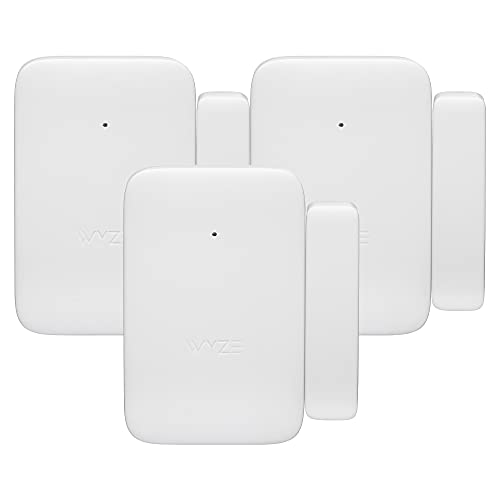
Wyze Sense Entry Sensor
Best BudgetPros
- Very low price
- Works with Wyze ecosystem
- Small form factor
Cons
- Shorter battery life
- Limited to Wyze hub
The Wyze Sense Entry Sensor is the most affordable option on our list. It connects to the Wyze Sense Hub and offers basic open/close detection. Owner reviews note that it is very easy to set up and works reliably for the price.
Battery life is around one year, which is acceptable given the low cost. The sensor is small and unobtrusive. It is a great entry point for those building a budget smart home system, but it lacks the advanced features and longer battery life of more expensive sensors.
What to Check Before Buying a Smart Door Sensor
Consider the connectivity protocol. Z-Wave and Zigbee sensors require a compatible hub but offer better range and reliability than Wi-Fi or Bluetooth models. Check the battery life, as some sensors can last over five years while others need annual replacement. Ensure the sensor is compatible with your existing smart home ecosystem, whether it is Ring, August, Bosch, or a universal hub like SmartThings. Also, look at the physical size and installation method, as some sensors are bulkier than others.
Mistakes to Avoid
Do not buy a sensor that requires a hub if you do not already have one or plan to buy one. Avoid sensors with poor battery ratings if you do not want to change batteries frequently. Do not assume all sensors work with every smart home system; always check compatibility first. Finally, avoid placing sensors on metal doors or frames, as this can interfere with the magnetic reed switch and cause false readings.
FAQs
Do smart door sensors work with any door?
Yes, most sensors work on standard wooden, metal, and fiberglass doors. Ensure the gap between the sensor and magnet is within the specified range.
Do I need a hub for smart door sensors?
Many sensors require a hub, such as Z-Wave, Zigbee, or brand-specific hubs. Some Bluetooth sensors can work without one but have limited range.
How long do smart door sensor batteries last?
Battery life varies from one year to over five years, depending on the sensor and usage. Z-Wave sensors often have the longest battery life.
Can smart door sensors trigger other smart home devices?
Yes, through automation routines, you can set a sensor to turn on lights, trigger an alarm, or send a notification when a door opens.
Are smart door sensors weatherproof for outdoor use?
Most are designed for indoor use only. For outdoor gates, look for sensors with an IP rating for weather resistance.
What is the difference between Z-Wave and Zigbee sensors?
Both are low-power mesh protocols. Z-Wave has better range and less interference, while Zigbee is more common in some ecosystems like Bosch.
Can I use a smart door sensor with a smart lock?
Yes, many sensors integrate with smart locks to enable features like auto-lock when the door closes or auto-unlock when you approach.
Do smart door sensors work with metal doors?
They can, but the metal may affect the magnetic field. You may need to adjust the placement or use a spacer for reliable detection.
How many smart door sensors do I need?
One per door or window you want to monitor. A typical home uses sensors on front and back doors and ground-floor windows.
Are smart door sensors easy to install?
Yes, most use adhesive backing and require no wiring. You simply attach the sensor and magnet to the door and frame.
Do smart door sensors work with Alexa or Google Home?
Many sensors work with Alexa and Google Home through their respective hubs or bridges, allowing voice control and routines.
What happens if the sensor loses connection?
The sensor will stop reporting status. Most hubs will notify you of a lost connection, and you may need to re-pair the device.
Our verdict
The Yale Smart Door Sensor is our top pick for its exceptional battery life and reliable Z-Wave performance. For budget-conscious users, the Wyze Sense Entry Sensor offers great value. The Ring Alarm Contact Sensor is the best choice for those already in the Ring ecosystem.