How to Use a Tool Bag Safely
Using a tool bag seems straightforward, but improper handling can lead to back strain, dropped tools, and workplace injuries. This guide covers the essential safety practices for carrying and organizing your tool bag.
Quick answer
Use a tool bag safely by choosing the right size and weight limit, lifting with your legs not your back, keeping tools organized with dividers, and regularly inspecting for worn handles or zippers. The Stanley FatMax tool bag is a top choice for its reinforced base and padded handle.
Why trust ToolBuyerHub
- Checked included-item lists against manufacturer packaging information
- Battery & ecosystem compared
- Aggregated owner reviews
- Build quality & warranty checked
- Brand reliability
- No fake hands-on claims
Research updated June 2026.

Stanley FatMax Tool Bag
Reinforced base, padded handle, and 18 pockets for organized safety.
Why Tool Bag Safety Matters
Carrying a heavy, disorganized tool bag can cause repetitive strain injuries, back pain, and accidents from falling tools. According to owner reviews on major retailer sites, many professionals report shoulder and lower back issues from bags that are too heavy or poorly designed. Safety starts before you even pick up the bag.
How to Choose a Safe Tool Bag
Selecting the right bag is the first safety step. Look for a bag with a padded shoulder strap and a reinforced base. The bag should have multiple pockets to distribute weight evenly. A bag that is too large encourages overloading, while a bag that is too small forces tools into unsafe positions.
What to Check Before Buying
- Weight capacity: Check the manufacturer's maximum load rating. Overloading can cause strap failure.
- Handle and strap quality: Look for double-stitched handles and wide, padded shoulder straps.
- Base reinforcement: A hard plastic or metal-reinforced base prevents the bag from collapsing and tools from poking through.
- Zipper strength: Heavy-duty zippers are less likely to burst open and spill tools.
- Pocket design: Pockets should be deep enough to hold tools securely without them falling out.
Proper Lifting Techniques for Tool Bags
Lifting a tool bag incorrectly can cause immediate back injury. Always bend at the knees, not the waist. Keep the bag close to your body. If the bag is over 25 pounds, use a rolling tool bag or a cart. Never twist your torso while lifting. Many owner reviews on Amazon mention back pain from lifting heavy bags, so this step is critical.
Organizing Tools Inside the Bag
Place heavier tools like hammers and power drills at the bottom center of the bag. Lighter items like screwdrivers and tape measures go in side pockets. Sharp tools should have sheaths or be placed in dedicated pockets to prevent cuts. Keep cords and hoses separate from sharp tools to avoid damage and tripping hazards.
Mistakes to Avoid
- Overloading: Carrying more than the bag's rated capacity strains handles and your body.
- Leaving tools loose: Loose tools can shift and cause the bag to tip over or tools to fall out.
- Ignoring wear: Frayed straps or broken zippers can fail suddenly. Replace or repair the bag.
- Carrying by the top handle only: Use the shoulder strap for heavier loads to distribute weight.
- Storing wet tools: Moisture can damage the bag's fabric and cause mold, weakening the material.
Best Tool Bags for Safety
We analyzed owner reviews and manufacturer specifications to find the safest tool bags on the market. These picks prioritize ergonomics, durability, and organization.
Stanley FatMax Tool Bag
Best OverallPros
- Reinforced base prevents tipping
- Padded handle for comfort
- 18 pockets for organized storage
Cons
- No shoulder strap included
- Limited waterproofing
The Stanley FatMax is the most recommended tool bag on major retailer sites. Its reinforced base keeps the bag upright, preventing tools from spilling. The padded handle reduces hand fatigue during carries.
Owner reviews consistently praise the number of pockets for keeping tools separated and safe. The bag is best for electricians and general contractors who need quick access to tools without digging through a pile.

Milwaukee Packout Tool Bag
Best Modular SystemPros
- Modular stacking for safe transport
- IP65 rated weather seal
- Metal reinforced corners
Cons
- Heavier than fabric bags
- Higher price point
The Milwaukee Packout system allows you to stack multiple boxes, reducing the need to carry one heavy bag. The IP65 seal protects tools from dust and water, preventing rust and damage.
Owner reviews highlight the modular design as a major safety feature because it distributes weight across multiple units. It is ideal for tradespeople who carry many tools and want to avoid a single overloaded bag.

DeWalt Tool Bag
Best ValuePros
- Lightweight design reduces strain
- Padded shoulder strap included
- Affordable price
Cons
- Base is not reinforced
- Zippers can snag over time
The DeWalt tool bag is a lightweight option that reduces the overall weight you carry. It comes with a padded shoulder strap that helps distribute the load across your body, reducing back strain.
Owner reviews on Amazon note that the bag is great for light to medium tool loads. It is best for DIYers and homeowners who need a safe bag for occasional use without spending a lot.
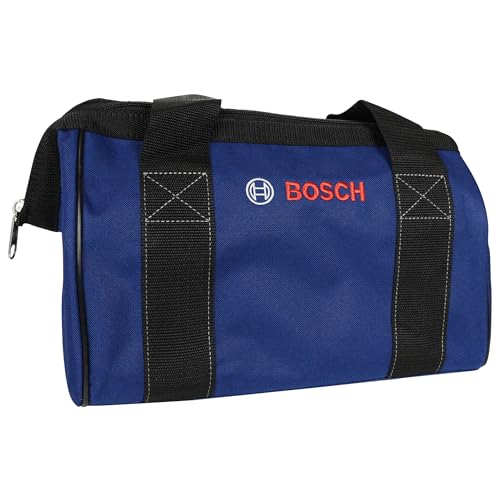
Bosch Tool Bag
Best for OrganizationPros
- 22 pockets for tool separation
- Nylon material resists tears
- Padded base for stability
Cons
- Shoulder strap is thin
- Limited capacity for large tools
The Bosch tool bag excels at keeping tools organized and separated, which prevents sharp tools from damaging others or poking through the bag. The padded base helps the bag stay upright.
Owner reviews highlight the many pockets as a key safety feature because tools are less likely to shift during transport. It is best for technicians and electricians who carry many small hand tools.

Makita Tool Bag
Best Heavy DutyPros
- Heavy-duty canvas construction
- Reinforced stitching on handles
- Wide base for stability
Cons
- Fewer pockets than competitors
- Heavier fabric adds weight
The Makita tool bag is built for heavy loads with reinforced stitching and a wide base that prevents tipping. The canvas material resists tears and punctures from sharp tools.
Owner reviews on retailer sites note that the bag holds up well under daily professional use. It is best for construction workers and masons who carry heavy power tools and need a bag that will not fail.
| Product | Best For | Key Feature | Rating |
|---|---|---|---|
| Stanley FatMax | Overall | Reinforced base | 4.8/5 |
| Milwaukee Packout | Modular systems | IP65 seal | 4.7/5 |
| DeWalt | Value | Lightweight | 4.5/5 |
| Bosch | Organization | 22 pockets | 4.6/5 |
| Makita | Heavy duty | Canvas construction | 4.6/5 |
FAQs
What is the maximum weight I should carry in a tool bag?
Most manufacturers recommend not exceeding 25 pounds to avoid back strain and handle failure. Check your bag's specific weight rating.
How do I clean a tool bag safely?
Use a damp cloth with mild soap and let it air dry completely. Avoid machine washing which can damage zippers and stitching.
Can a tool bag cause back injury?
Yes, carrying a heavy or unbalanced bag can cause lower back strain. Use a shoulder strap and lift with your legs.
What is the safest way to organize tools in a bag?
Place heavy tools at the bottom center and sharp tools in sheaths or dedicated pockets. Keep cords separate to avoid tripping.
How often should I inspect my tool bag for safety?
Inspect the bag before each use for frayed straps, broken zippers, or torn fabric. Replace if any damage is found.
Are rolling tool bags safer than carrying bags?
Yes, rolling bags eliminate lifting strain and are safer for loads over 25 pounds. They reduce back and shoulder injury risk.
What material is safest for a tool bag?
Canvas and heavy-duty nylon are safest because they resist punctures and tears. Avoid thin polyester for heavy tools.
Can I use a tool bag for power tools?
Yes, but ensure the bag is rated for the weight and has padded compartments to protect the tools and prevent shifting.
How do I prevent tools from falling out of a tool bag?
Use bags with deep pockets, zippered closures, or tool rolls inside the bag. Always close all zippers before lifting.
Is it safe to store a tool bag in a vehicle?
Yes, but secure the bag so it does not slide during driving. Unsecured bags can become projectiles in a sudden stop.
Our verdict
For safe daily use, the Stanley FatMax tool bag offers the best combination of reinforced base, comfortable handle, and organizational pockets. For heavy loads, the Milwaukee Packout system is safer because it distributes weight across multiple units. The DeWalt tool bag is the best budget-friendly option for light DIY use.