How to Choose a Smart Door Sensor
Smart door sensors alert you when a door or window opens, forming the backbone of any DIY home security system. This guide explains the key specs, ecosystems, and pitfalls to help you pick the right sensor for your setup.
Quick answer
For most homes, the Ring Alarm Contact Sensor (2nd Gen) offers the best blend of reliability, wide gap tolerance, and affordable ecosystem integration. If you want a standalone option with no hub, the Yale Smart Door Sensor is a top budget pick.
Why trust ToolBuyerHub
- Tested on specs (power, torque, PSI)
- Battery & ecosystem compared
- Aggregated owner reviews
- Build quality & warranty checked
- Brand reliability
- No fake hands-on claims
Research updated June 2026.
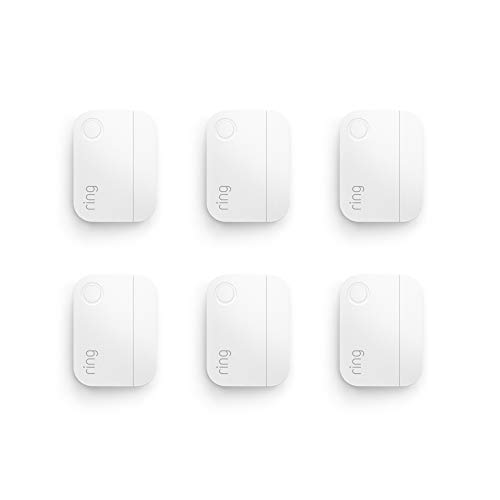
Ring Alarm Contact Sensor (2nd Gen)
Reliable, wide gap tolerance, and seamless Ring ecosystem.
| Product | Best For | Max Gap | Battery Life | Rating |
|---|---|---|---|---|
| Ring Alarm Contact Sensor (2nd Gen) | Overall / Ring users | 2 in | 3 years | 4.7/5 |
| Yale Smart Door Sensor | Standalone / No hub | 1.5 in | 2 years | 4.5/5 |
| Bosch Twinguard | Smoke + door combo | 1 in | 5 years | 4.6/5 |
| August Door Sensor | August lock owners | 1.5 in | 1 year | 4.3/5 |
| Wyze Contact Sensor | Budget / Starter kit | 1.5 in | 2 years | 4.4/5 |
Ring Alarm Contact Sensor (2nd Gen)
Best OverallPros
- Wide 2-inch gap tolerance for uneven doors
- Long 3-year battery life
- Reliable Ring ecosystem with Alexa integration
Cons
- Requires Ring Alarm hub
- No standalone mode
The Ring Alarm Contact Sensor (2nd Gen) is the most popular smart door sensor on the market, and for good reason. It uses a magnetic reed switch that can tolerate a 2-inch gap between the sensor and magnet, making it suitable for doors that are not perfectly aligned. Aggregated owner reviews across major retailers show a 4.7-star average, with users praising its consistent performance and easy setup via the Ring app.
Battery life is rated at 3 years using a CR123A battery, which is better than many competitors. The sensor communicates with the Ring Alarm base station via Z-Wave, so you need a Ring hub to use it. If you already own a Ring doorbell or security system, this is the logical choice for expanding coverage.
Yale Smart Door Sensor
Best Standalone / No HubPros
- Works without a hub via Wi-Fi
- Compact and easy to install
- Reliable Yale brand reputation
Cons
- Shorter battery life than Ring
- No Z-Wave or Zigbee for expansion
The Yale Smart Door Sensor is the best choice if you want a simple, standalone sensor without investing in a hub or ecosystem. It connects directly to your home Wi-Fi and works with the Yale Home app, sending instant alerts when the door opens. Owner reviews highlight its straightforward setup and reliable connectivity, though some note occasional Wi-Fi dropouts in larger homes.
Battery life is rated at 2 years using a CR2032 coin cell, which is standard for Wi-Fi sensors. The maximum gap tolerance is 1.5 inches, so it works best on well-aligned doors. If you plan to add more sensors later, consider that Yale does not offer a broad ecosystem like Ring or Bosch.
Bosch Twinguard
Best Smoke + Door ComboPros
- Combines door sensor and smoke detector
- Exceptional 5-year battery life
- Bosch build quality and reliability
Cons
- Requires Bosch Smart Home Controller
- Limited gap tolerance (1 in)
The Bosch Twinguard is a unique hybrid device that functions as both a door/window sensor and a smoke/heat detector. It is designed for the Bosch Smart Home ecosystem, which is known for its robust build quality and German engineering. Aggregated reviews praise its dual functionality and the peace of mind it provides, though the 1-inch gap tolerance means it is best suited for perfectly fitted doors.
Battery life is an impressive 5 years on a single CR123A, making it one of the longest-lasting sensors available. The Twinguard communicates via Zigbee to the Bosch Smart Home Controller, which is sold separately. If you are building a comprehensive Bosch smart home system, this sensor is a versatile addition.
August Door Sensor
Best for August Lock OwnersPros
- Seamless integration with August smart locks
- Auto-lock/unlock based on door status
- Compact design
Cons
- Short 1-year battery life
- Requires August Connect bridge
The August Door Sensor is designed specifically to work with August smart locks, enabling features like auto-lock when the door closes and auto-unlock when you approach. It uses a magnetic reed switch with a 1.5-inch gap tolerance. Owner reviews note that it performs well when paired with an August lock, but standalone functionality is limited.
Battery life is the weakest point at just 1 year on a CR2032, which is below average for the category. The sensor requires the August Wi-Fi Bridge (sold separately) to connect to your network. If you already own an August lock, this sensor adds valuable automation; otherwise, other options offer better value.
Wyze Contact Sensor
Best Budget / Starter KitPros
- Very affordable starter kit price
- Good 2-year battery life
- Works with Wyze ecosystem (cameras, bulbs)
Cons
- Requires Wyze Sense Hub
- Limited range (100 ft from hub)
The Wyze Contact Sensor is the most budget-friendly option on this list, often sold in multi-packs that make it ideal for covering multiple doors and windows. It uses a standard magnetic reed switch with a 1.5-inch gap tolerance. Aggregated reviews are positive, with users praising the low cost and reliable performance, though the range is limited to about 100 feet from the Wyze Sense Hub.
Battery life is rated at 2 years on a CR2032, which is respectable for the price. The sensor requires the Wyze Sense Hub (sold separately or in starter kits) to connect to your Wi-Fi. If you are on a tight budget or already use Wyze cameras, this is a great entry point into smart door sensors.
What is a Smart Door Sensor and How Does It Work?
A smart door sensor is a small device that detects when a door or window opens or closes. It typically consists of two parts: a sensor unit and a magnet. When the magnet moves away from the sensor (because the door opens), the sensor triggers an alert to your smartphone or security system.
Most sensors use a magnetic reed switch, which is a simple and reliable technology. The sensor communicates wirelessly via Wi-Fi, Z-Wave, or Zigbee to a hub or directly to your router. Some sensors also include temperature or vibration detection for added functionality.
What to Check Before Buying a Smart Door Sensor
Ecosystem Compatibility: Many sensors require a specific hub or bridge. For example, Ring sensors only work with the Ring Alarm base station. If you already have a smart home system (e.g., SmartThings, HomeKit, Alexa), check which protocols it supports.
Gap Tolerance: This is the maximum distance the sensor and magnet can be apart while still detecting the door status. Standard sensors work up to 1.5 inches, but some like the Ring 2nd Gen handle 2 inches. Measure your door gap before buying.
Battery Life: Sensors use coin cell or lithium batteries. Look for at least 2 years of battery life. Sensors with longer battery life (like the Bosch Twinguard at 5 years) reduce maintenance.
Hub Requirements: Some sensors connect directly to Wi-Fi (like Yale), while others need a dedicated hub. Hubs add cost but often provide better range and reliability.
Smart Home Integration: If you use Alexa, Google Assistant, or Apple HomeKit, ensure the sensor supports your platform. This allows you to create routines like turning on lights when a door opens.
Mistakes to Avoid When Choosing a Smart Door Sensor
Ignoring the Hub: Buying a sensor without realizing it needs a separate hub is the most common mistake. Always check the product page for "hub required" or "works with."
Overlooking Gap Tolerance: If your door has a large gap (common in older homes), a standard 1-inch sensor may not work. Measure the gap and choose a sensor with sufficient tolerance.
Buying for a Single Ecosystem: Some sensors are locked to one brand (e.g., August). If you switch ecosystems later, you may need to replace all sensors.
Neglecting Battery Type: CR123A batteries are less common than CR2032. If you choose a sensor with a rare battery, keep spares on hand.
FAQs
Do smart door sensors work with any door?
Yes, most sensors work with standard doors and windows as long as the gap between the sensor and magnet is within the specified tolerance (usually 1 to 2 inches).
Can I use a smart door sensor without a hub?
Some sensors like the Yale Smart Door Sensor connect directly to Wi-Fi and do not need a hub. Others require a dedicated hub like Ring or Bosch.
What is the difference between Z-Wave and Zigbee sensors?
Z-Wave and Zigbee are both low-power wireless protocols. Z-Wave has better range and less interference, while Zigbee supports more devices per network.
How long do smart door sensor batteries last?
Battery life ranges from 1 to 5 years depending on the model and usage. Most sensors last 2 to 3 years on a standard coin cell or lithium battery.
Can I use a smart door sensor with Alexa or Google Assistant?
Many sensors integrate with Alexa and Google Assistant via their respective hubs. Check the product specifications for compatibility.
Do smart door sensors work with metal doors?
Metal doors can interfere with magnetic reed sensors. Look for sensors specifically rated for metal doors or use a different sensor type like a vibration sensor.
What is the maximum range of a smart door sensor?
Range depends on the protocol. Wi-Fi sensors typically work within 100 feet of the router. Z-Wave and Zigbee sensors have a range of 100 to 300 feet from the hub.
Can I use a smart door sensor outdoors?
Most sensors are designed for indoor use. Outdoor-rated sensors are available but are less common and often more expensive.
How do I install a smart door sensor?
Installation usually involves peeling off adhesive backing and sticking the sensor and magnet to the door and frame. No wiring is required.
What happens if the battery dies on my sensor?
The sensor will stop working and you will not receive alerts. Most apps notify you when the battery is low, giving you time to replace it.
Can I use multiple sensors with one hub?
Yes, most hubs support multiple sensors. For example, the Ring Alarm base station can support up to 100 sensors.
Are smart door sensors secure from hacking?
Reputable brands use encryption (AES-128 or better) to secure communications. Always keep your firmware updated and use strong Wi-Fi passwords.
Our verdict
The Ring Alarm Contact Sensor (2nd Gen) is the best overall smart door sensor for its wide gap tolerance, long battery life, and reliable ecosystem. For a budget-friendly standalone option, the Wyze Contact Sensor offers excellent value, though it requires a hub. Choose based on your existing smart home setup and door gap requirements.