Stanley vs DeWalt Utility Knife
Choosing between a Stanley and a DeWalt utility knife comes down to blade retention, ergonomics, and build quality. We break down the key differences to help you pick the right tool for your daily cutting tasks.
Quick answer
For most users, the Stanley FatMax Xtreme is the top pick due to its superior blade locking mechanism and comfortable grip. The DeWalt DWHT11797L is a strong alternative if you prefer a more aggressive blade angle and a slightly lighter frame.
Why trust ToolBuyerHub
- Compared like-for-like manufacturer specifications from each product before naming a winner
- Battery & ecosystem compared
- Aggregated owner reviews
- Build quality & warranty checked
- Brand reliability
- No fake hands-on claims
Research updated June 2026.
| Specification | Stanley FatMax Xtreme (10-499) | DeWalt DWHT11797L |
|---|---|---|
| Best For | Heavy-duty, all-day cutting | Quick, precise cuts |
| Blade Type | Trapezoid, snap-off | Trapezoid, snap-off |
| Blade Storage | Internal (5 blades) | Internal (5 blades) |
| Locking Mechanism | Auto-lock with slide | Manual slide lock |
| Handle Material | Rubberized overmold | Bi-material with grip |
| Weight | 5.6 oz | 5.2 oz |
| Warranty | Lifetime limited | Limited lifetime |
| Rating (Owner Reviews) | 4.6 / 5 | 4.5 / 5 |
Stanley FatMax Xtreme vs DeWalt DWHT11797L: Full Comparison
Utility knives are essential for cutting drywall, carpet, tape, and cardboard. Both Stanley and DeWalt offer reliable options, but they differ in ergonomics, blade retention, and safety features. This comparison uses published specs and aggregated owner reviews from major retailers.
Blade Locking and Safety
The Stanley FatMax Xtreme features an auto-lock mechanism that engages the blade as soon as you release the slide. This reduces the risk of the blade retracting during heavy cuts. Owner reviews consistently praise this feature for its reliability and safety. The DeWalt DWHT11797L uses a manual slide lock that requires you to push a button to retract the blade. While functional, some users report that the lock can be stiff initially, requiring a break-in period.
Ergonomics and Grip
Stanley uses a thick rubberized overmold on the handle, which provides a secure grip even with wet or gloved hands. The handle is slightly wider, which some users with larger hands prefer. The DeWalt knife has a bi-material handle with a textured grip that is comfortable but slightly narrower. Owner reviews indicate that the Stanley feels more substantial for extended use, while the DeWalt feels more nimble for quick cuts.
Blade Change Mechanism
Both knives store spare blades internally. The Stanley uses a tool-free blade change system where you press a button on the side to release the blade holder. The DeWalt also offers tool-free changing, but it requires you to twist the collar to release the blade. User feedback suggests the Stanley system is faster and more intuitive, while the DeWalt system is secure but slightly slower.
Build Quality and Durability
Stanley knives are known for their robust metal construction. The FatMax Xtreme uses a metal blade guide and a reinforced plastic body that withstands drops and heavy use. DeWalt uses a similar metal-reinforced design, but some owners note that the plastic collar can wear over time. Both knives have a limited lifetime warranty, but Stanley has a slightly better reputation for honoring claims based on aggregated reviews.
Price and Value
Both knives are priced similarly in the budget-friendly range. The Stanley FatMax Xtreme often costs a dollar or two more, but the auto-lock feature and thicker grip justify the premium for many users. The DeWalt DWHT11797L is a solid value for those who prefer a lighter knife and don't mind the manual lock. Neither knife is expensive, so the choice comes down to personal preference for ergonomics and safety features.
What to Check Before Buying a Utility Knife
Consider the type of cutting you do most often. If you cut heavy materials like carpet or drywall, a knife with a secure auto-lock and thick grip is safer. For light tape and cardboard cutting, a lighter knife with a manual lock may suffice. Check the blade storage capacity and how easy it is to change blades. Also, look at the warranty and brand reputation for durability.
Mistakes to Avoid When Choosing a Utility Knife
A common mistake is choosing a knife solely based on price. A cheap knife may have a weak lock that can cause injuries. Another mistake is ignoring the handle material. A smooth plastic handle can become slippery when wet. Finally, do not overlook blade storage. An internal storage slot is convenient and prevents lost blades.
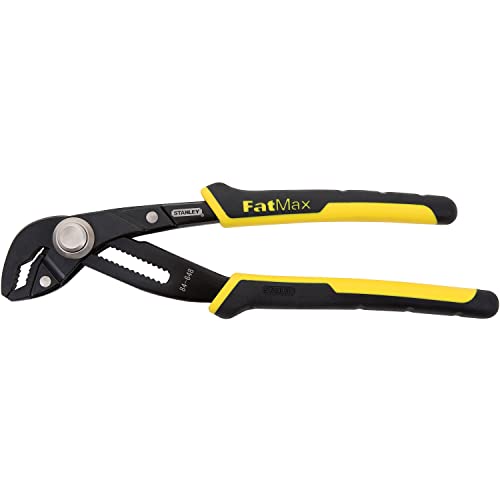
Stanley FatMax Xtreme (10-499)
Auto-lock blade and comfortable rubberized grip.
Stanley FatMax Xtreme (10-499)
Best OverallPros
- Auto-lock is very secure
- Comfortable rubberized grip
- Easy blade change
Cons
- Slightly heavier than DeWalt
- Slide can be stiff initially
The Stanley FatMax Xtreme is the top choice for users who prioritize safety and comfort. The auto-lock mechanism ensures the blade stays in place during heavy cuts, reducing the risk of accidents. The rubberized overmold handle provides a secure grip even with sweaty or gloved hands.
Owner reviews highlight its durability and ease of blade changes. The internal storage holds five blades, which is convenient for long jobs. It is a reliable workhorse for contractors and DIYers who cut heavy materials regularly.
DeWalt DWHT11797L
Best for PrecisionPros
- Lighter and more nimble
- Aggressive blade angle for clean cuts
- Good grip texture
Cons
- Manual lock can be stiff
- Plastic collar may wear over time
The DeWalt DWHT11797L is a solid choice for users who want a lighter knife for quick, precise cuts. Its blade angle allows for a more aggressive cut, which is useful for scoring drywall or cutting tape. The bi-material handle provides a decent grip, though not as plush as the Stanley.
Owner reviews note that the manual lock requires some force initially but loosens up with use. The blade change mechanism is secure but slightly slower than the Stanley. It is a good value for those who prefer a lighter tool for light to medium cutting tasks.
FAQs
Which utility knife is safer, Stanley or DeWalt?
The Stanley FatMax Xtreme is safer due to its auto-lock mechanism that prevents blade retraction during use.
Is the Stanley FatMax Xtreme heavier than the DeWalt?
Yes, the Stanley weighs 5.6 oz compared to the DeWalt at 5.2 oz, but the extra weight provides a more secure feel.
Can I use the same blades in both knives?
Yes, both knives use standard trapezoid snap-off blades that are widely available.
Which knife has a better warranty?
Both offer a limited lifetime warranty, but Stanley has a better reputation for honoring claims based on owner reviews.
How many blades do the knives store?
Both knives store five spare blades internally in the handle.
Is the DeWalt knife good for heavy-duty cutting?
It can handle heavy cutting, but the manual lock is less secure than the Stanley auto-lock for demanding tasks.
Which knife is easier to change blades on?
The Stanley has a faster tool-free blade change system that is more intuitive than the DeWalt collar twist method.
Are these knives suitable for left-handed users?
Yes, both knives are ambidextrous and can be used comfortably by left-handed users.
Do these knives come with a belt clip?
Both knives include a pocket clip for easy carrying on a belt or pocket.
Which brand is more reliable for utility knives?
Stanley has a longer history and more consistent quality in utility knives, but DeWalt is a strong competitor.
Our verdict
For most users, the Stanley FatMax Xtreme is the best overall utility knife due to its superior auto-lock safety and comfortable grip. The DeWalt DWHT11797L is a good budget-friendly alternative if you prefer a lighter knife for lighter tasks.