How to Use a Mechanics Creeper Safely
A mechanics creeper lets you slide under a vehicle with ease, but improper use can lead to serious injuries. This guide covers the essential safety steps, from positioning the creeper correctly to avoiding pinch points under the car.
Quick answer
To use a mechanics creeper safely, always ensure the vehicle is on level ground with jack stands supporting the frame, not just the jack. Position the creeper flat, lie down centered, and push with your feet to move. Never roll under a car that is only supported by a hydraulic jack.
Why trust ToolBuyerHub
- Checked load ratings and safety documentation before recommending lifting or jacking equipment
- Battery & ecosystem compared
- Aggregated owner reviews
- Build quality & warranty checked
- Brand reliability
- No fake hands-on claims
Research updated June 2026.
BONUS: The Creeper Safety Mindset
Safety is not optional. Use jack stands every time.
Why Creeper Safety Matters
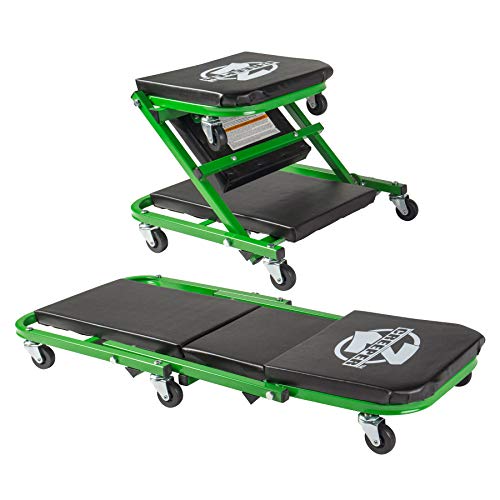
A mechanics creeper is a low-profile platform on casters that allows you to slide under a vehicle. While it makes under-car work far more comfortable, it also introduces risks. The main danger is the vehicle falling on you if it is not properly supported. Other hazards include rolling into a dangerous position, pinching fingers, or hitting your head on the undercarriage.
Using a creeper safely is straightforward if you follow a few critical rules. This guide covers the step-by-step process, what to check before you buy, and common mistakes to avoid.
How to Use a Mechanics Creeper: Step by Step
Follow these steps every time you use a creeper. Skipping even one can lead to injury.
Step 1: Prepare the vehicle. Park the car on a flat, level surface. Apply the parking brake and chock the wheels that remain on the ground. If working on the front, chock the rear wheels and vice versa.
Step 2: Lift and support the vehicle. Use a hydraulic jack to lift the vehicle to a comfortable working height. Immediately place jack stands under the manufacturer-recommended lift points. Lower the vehicle gently onto the stands. Never work under a car supported only by a jack.
Step 3: Inspect the creeper. Check that all casters roll freely and that the creeper frame is not cracked or bent. Ensure the padding is secure and not torn. A damaged creeper can tip or catch on debris.
Step 4: Position the creeper. Place the creeper flat on the ground next to the vehicle, aligned with the area you need to access. Lie down on the creeper, centered, with your head toward the front of the vehicle. Keep your arms at your sides.
Step 5: Move under the vehicle. Push with your feet to roll under the car. Move slowly and keep your body flat. Do not sit up or twist while under the vehicle, as this can shift your weight and cause the creeper to roll unexpectedly.
Step 6: Work safely. Once positioned, keep your tools within easy reach. Use a creeper with a tool tray if possible. Avoid reaching overhead for long periods. If you need to reposition, push with your feet again. Never use your hands to pull yourself along the ground.
Step 7: Exit the vehicle. When finished, push yourself out from under the car feet first. Stand up away from the vehicle. Never sit up while still under the car.
What to Check Before Buying a Creeper
Not all creepers are the same. Choosing the right one improves safety and comfort.
Weight capacity. Most creepers support 250 to 350 pounds. Check the rating against your body weight plus any tools you carry.
Caster quality. Look for grease fittings and ball bearings. Cheap plastic casters can jam or break, causing the creeper to tip.
Pad thickness and material. A thick foam pad (2 inches or more) reduces pressure points. Vinyl covers are easy to clean but can become slippery when wet.
Frame construction. Steel frames are the most durable. Aluminum frames are lighter but can bend under heavy loads. Avoid plastic frames for regular use.
Length and width. Standard creepers are about 36 to 42 inches long. Taller users need a longer model to support their legs fully. A wider frame provides more stability.
Tool tray. A built-in tray keeps tools off your chest and belly, reducing the risk of dropping them on your face.
Common Mistakes to Avoid
Even experienced mechanics make these errors. Avoid them to stay safe.
Mistake 1: Using only a jack. This is the most dangerous mistake. A hydraulic jack can fail or leak, dropping the vehicle instantly. Always use jack stands.
Mistake 2: Working on an incline. A creeper will roll downhill on a slope. This can pull you out from under the car or into a dangerous position. Always work on level ground.
Mistake 3: Sitting up under the car. Sitting up shifts your center of gravity and can cause the creeper to tip. It also puts your head closer to the undercarriage. Stay flat.
Mistake 4: Using a damaged creeper. A cracked frame or a stuck caster can cause the creeper to behave unpredictably. Inspect your creeper before each use.
Mistake 5: Reaching too far. Overreaching can pull you off the creeper or cause it to roll. Position yourself directly under the work area before starting.
Mistake 6: Wearing loose clothing. Loose sleeves or hoodie strings can catch on the undercarriage or creeper wheels. Wear fitted work clothes.
Additional Safety Tips
Wear safety glasses to protect your eyes from falling debris. Use a drop light or headlamp to illuminate the work area. Keep the floor clear of tools and oil spills. If you feel the vehicle shift, roll out immediately and recheck the jack stands.
Never leave a creeper under a vehicle unattended. Store the creeper upright or on its side when not in use to prevent tripping hazards.
FAQs
Can I use a creeper on gravel or dirt?
No. Creeper casters are designed for smooth, hard surfaces. Gravel or dirt will jam the wheels and make rolling difficult and unsafe.
How much weight can a mechanics creeper hold?
Most standard creepers support 250 to 350 pounds. Heavy-duty models can hold up to 500 pounds. Always check the manufacturer rating.
Do I need jack stands if I have a creeper?
Yes. A creeper is a mobility tool, not a safety device. Jack stands are required to support the vehicle. Never rely on a jack alone.
Can I use a creeper on a car lift?
Yes, but only if the lift has safety locks engaged. A creeper is useful on a lift to slide out from under the car without sitting up.
How do I clean a mechanics creeper?
Wipe the frame with a damp cloth. Clean the vinyl pad with mild soap and water. Lubricate the casters with silicone spray if they squeak.
Is a low-profile creeper safer?
Low-profile creepers reduce the risk of hitting your head on the undercarriage. They are safer for cars with low ground clearance.
Can I use a creeper if I am tall?
Yes, but look for a longer model. Standard creepers are 36 inches. Tall users need 42 inches or more to support their legs fully.
Should I wear a hard hat under a car?
Not usually, but a bump cap can protect your head from hitting the undercarriage. Safety glasses are more important.
How do I store a creeper?
Store it upright or on its side to save space and prevent tripping. Keep it away from moisture to avoid rust on the frame and casters.
Can I use a creeper on a ramp?
No. Ramps are not stable enough for creeper use. The creeper can roll off the ramp or tip over. Use jack stands on level ground.
Our verdict
Using a mechanics creeper safely comes down to three rules: always use jack stands, work on level ground, and keep your body flat. The best creeper for most people is a steel-frame model with thick foam padding and quality casters. For budget buyers, a basic plastic creeper works if inspected regularly. Never compromise on safety for convenience.