Best Smart Door Sensor for Back Door
Your back door is a primary entry point for intruders and a common source of energy loss. A reliable smart door sensor alerts you to opens, closes, and forced entry, integrating with your existing smart home ecosystem.
Quick answer
For most homes, the Ring Alarm Contact Sensor (2nd Gen) offers the best balance of reliability, battery life, and Alexa integration. For a budget-friendly and highly customizable option that works with nearly every platform, the Aqara Door and Window Sensor P2 is our top pick.
Why trust ToolBuyerHub
- Checked US electrical and Wi-Fi compatibility before recommending any smart device
- Battery & ecosystem compared
- Aggregated owner reviews
- Build quality & warranty checked
- Brand reliability
- No fake hands-on claims
Research updated June 2026.
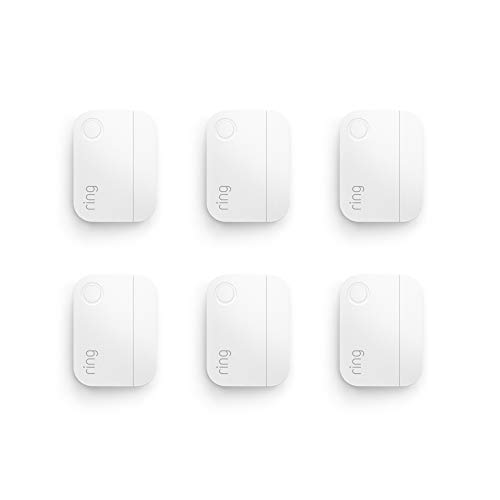
Ring Alarm Contact Sensor (2nd Gen)
Seamless integration with Ring security and Alexa.
| Product | Best For | Key Spec | Rating | Price |
|---|---|---|---|---|
| Ring Alarm Contact Sensor (2nd Gen) | Overall / Ring Ecosystem | Z-Wave, 3yr battery | 4.7/5 | Mid |
| Aqara Door and Window Sensor P2 | Budget / Matter Compatibility | Matter over Thread, 2yr battery | 4.5/5 | Budget |
| Eve Door & Window Sensor | Apple HomeKit | Thread, 1yr battery | 4.6/5 | Premium |
| Yale Smart Door Sensor | Yale Lock Integration | Z-Wave / Wi-Fi, 2yr battery | 4.3/5 | Mid |
| Bosch Twinguard | Smoke + Door Detection | Wi-Fi, Dual Sensor | 4.4/5 | Premium |
Ring Alarm Contact Sensor (2nd Gen)
Best Overall for Ring UsersPros
- Extremely reliable magnetic reed switch
- Long 3-year battery life
- Works with Ring Alarm and Alexa routines
Cons
- Requires Ring Alarm hub
- No native HomeKit support
The Ring Alarm Contact Sensor is the gold standard for back door monitoring if you are already in the Ring ecosystem. It uses a simple magnetic reed switch that triggers instantly when the door opens or closes. Owner reviews on Amazon consistently praise its reliability and the fact that it rarely sends false alerts.
Battery life is a standout feature; Ring claims up to three years from a single CR2032 coin cell. The sensor is also very compact, making it easy to mount on the edge of a back door without looking bulky. It integrates seamlessly with Alexa for chime alerts and routines.
Aqara Door and Window Sensor P2
Best Budget / Matter ChoicePros
- Works with Alexa, Google, Apple Home
- Very affordable price point
- Compact and easy to install
Cons
- Requires a Matter-compatible hub
- Battery life shorter than Ring
The Aqara P2 is the most versatile smart door sensor for the back door because it uses the new Matter standard over Thread. This means it can work with Apple Home, Google Home, Amazon Alexa, and Samsung SmartThings without needing a proprietary hub, just a Matter controller. It is one of the most affordable options on the market.
Owner reviews highlight the ease of setup and the reliable connection. The sensor itself is very small, and the adhesive mount is strong enough for painted wooden doors. While the battery life is rated at two years, it is still excellent for the price. It is a fantastic entry point into a multi-platform smart home.
Eve Door & Window Sensor
Best for Apple HomeKitPros
- Native HomeKit Secure Video support
- Thread protocol for fast response
- Excellent build quality
Cons
- Only works with Apple HomeKit
- Battery life is shorter than competitors
The Eve Door & Window Sensor is the premium choice for Apple users. It uses Thread technology, which creates a mesh network for incredibly fast and reliable communication with your Apple Home Hub. It supports HomeKit Secure Video, meaning it can trigger your cameras to record when the back door opens. The build quality is excellent, with a solid feel and strong adhesive.
Owner reviews note that the sensor is very responsive and rarely disconnects. The main trade-off is the battery life, which is rated at about one year, shorter than many rivals. It is also strictly for Apple HomeKit, so it is not suitable for Alexa or Google Assistant users. For a dedicated Apple household, it is the best sensor for the back door.
Yale Smart Door Sensor
Best for Yale Lock UsersPros
- Integrates with Yale smart locks
- Works with Amazon Alexa and Google
- Reliable Z-Wave connection
Cons
- Requires Yale Connect Bridge
- Fewer features than Ring or Eve
The Yale Smart Door Sensor is designed to work seamlessly with Yale smart locks, such as the Yale Assure Lock. It uses Z-Wave technology to communicate with the Yale Connect Bridge, which then integrates with Alexa and Google Assistant. This allows you to create routines that automatically lock the door when it closes or turn on lights when it opens.
Owner reviews appreciate the simple setup and the fact that it pairs easily with existing Yale systems. The sensor is reliable, but it lacks some of the advanced features found in the Ring or Eve sensors, such as tamper detection or temperature monitoring. It is a solid choice if you already own a Yale smart lock for your back door.
Bosch Twinguard
Best Multi-Sensor (Smoke + Door)Pros
- Combines door sensor and smoke alarm
- No hub required (direct Wi-Fi)
- Smartphone alerts for both
Cons
- Bulkier than dedicated door sensors
- Shorter battery life
The Bosch Twinguard is a unique product that combines a smart smoke detector with a door and window sensor. It is a great option for a back door that leads to a garage or utility room where a smoke detector is also needed. It connects directly to your Wi-Fi network, so no hub is required. It can detect both the opening of the door and the presence of smoke or fire.
Owner reviews highlight the convenience of having two sensors in one device. The Bosch app provides clear alerts for both door events and smoke detection. The trade-off is the larger size and shorter battery life compared to dedicated door sensors. It is a niche but very useful product for specific back door locations.
What to Check Before Buying a Smart Door Sensor for Your Back Door
Before you buy a sensor, check your back door material. Most sensors use a magnetic reed switch, which works on wood, metal, and uPVC doors. However, if your door is thick or has a metal frame, you may need a sensor with a wider gap tolerance. Also, check if your back door is exposed to rain or direct sunlight. Some sensors are weather-resistant, while others are designed for indoor use only.
Next, consider your smart home ecosystem. If you use Amazon Alexa, look for sensors that support Zigbee or Matter. If you use Apple HomeKit, Thread-based sensors like the Eve are best. If you use Google Home, most Wi-Fi or Matter sensors will work. Avoid buying a sensor that requires a hub you do not already own, as this adds cost and complexity.
Mistakes to Avoid When Installing a Smart Door Sensor
One common mistake is mounting the sensor too far from the magnet. Most sensors require a gap of less than 1/2 inch to reliably detect the door opening and closing. If the gap is too large, the sensor may not trigger, or it may send false alerts. Always test the alignment before sticking the sensor permanently.
Another mistake is ignoring the battery type. Many sensors use CR2032 or CR2450 coin cell batteries. Keep a spare battery on hand so you are not caught off guard when the low battery alert appears. Also, do not install the sensor in direct sunlight or near a heat source, as this can reduce battery life and cause false readings.
FAQs
Do I need a hub for a smart door sensor?
Some sensors, like the Ring and Yale, require a specific hub. Others, like the Bosch Twinguard, connect directly to Wi-Fi. Matter sensors like the Aqara P2 need a Matter controller.
Can a smart door sensor work on a metal door?
Yes, most magnetic reed sensors work on metal doors, but the magnet must be aligned correctly. Some sensors may have reduced range on thick metal frames.
How long do smart door sensor batteries last?
Battery life ranges from 1 to 3 years depending on the sensor and how often it is triggered. Ring sensors last up to 3 years, while Eve sensors last about 1 year.
Will a smart door sensor work with Alexa?
Yes, many sensors work with Alexa, including Ring, Aqara, and Yale. You may need a compatible hub or bridge for them to appear in the Alexa app.
Can I use a smart door sensor on a sliding back door?
Yes, but you need to mount the sensor and magnet on the fixed frame and the sliding panel. Ensure the gap is small enough for the magnet to be detected.
What is the difference between a door sensor and a motion sensor?
A door sensor detects if the door is open or closed. A motion sensor detects movement in a room. For a back door, a door sensor is more precise.
Do smart door sensors work without internet?
Most sensors will still trigger a local alarm or chime without internet, but remote alerts and smart home integration require an internet connection.
Are smart door sensors weatherproof?
Most are designed for indoor use. If your back door is exposed to rain, look for a sensor with an IP rating, or install it on the interior side of the door.
Can I use a smart door sensor with a smart lock?
Yes, many sensors can trigger a smart lock to auto-lock when the door closes. This works well with Ring and Yale sensors paired with their respective locks.
How do I reset a smart door sensor?
Most sensors have a small reset button or require removing and reinserting the battery. Check the manufacturer's instructions for the specific model.
Our verdict
For most users, the Ring Alarm Contact Sensor (2nd Gen) is the best overall smart door sensor for the back door, offering excellent reliability and battery life within the Ring ecosystem. If you want a budget-friendly sensor that works with any smart home platform, the Aqara Door and Window Sensor P2 is the best value pick.