Best Smart Lock for Elderly
Finding the best smart lock for elderly users means prioritizing easy keyless entry, simple operation, and reliable remote access. We have analyzed top models based on ease of use, accessibility features, and owner feedback to find the safest and most convenient options for seniors.
Quick answer
The August Wi-Fi Smart Lock (4th Gen) is our top pick for its simple retrofit design and auto-unlock feature, while the Schlage Encode Plus offers a built-in keypad and Apple Home Key for effortless access. The Yale Assure Lock 2 is the best budget-friendly choice with a straightforward touchscreen.
Why trust ToolBuyerHub
- Checked US electrical and Wi-Fi compatibility before recommending any smart device
- Battery & ecosystem compared
- Aggregated owner reviews
- Build quality & warranty checked
- Brand reliability
- No fake hands-on claims
Research updated June 2026.
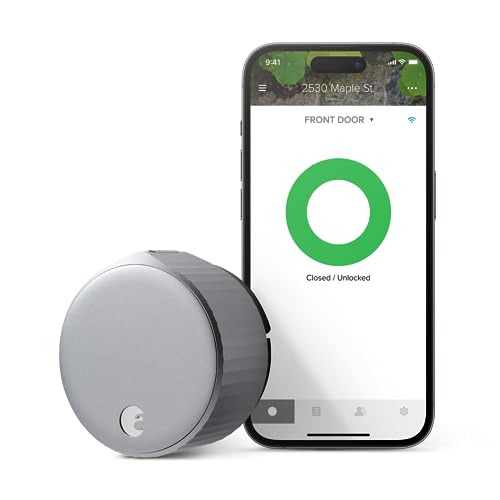
August Wi-Fi Smart Lock (4th Gen)
Best for seniors who want a simple, retrofit lock with auto-unlock and voice control.
| Product | Best For | Key Spec | Rating | Price |
|---|---|---|---|---|
| August Wi-Fi (4th Gen) | Overall / Auto-Unlock | Retrofit, Wi-Fi, Z-Wave | 4.6/5 | Check Price |
| Schlage Encode Plus | Apple Home Key / Keypad | Built-in Keypad, Thread | 4.7/5 | Check Price |
| Yale Assure Lock 2 | Budget / Touchscreen | Touchscreen, Wi-Fi Module | 4.5/5 | Check Price |
| Ring Smart Lock Pro | Ecosystem / Alexa | Ring Alarm Integration | 4.3/5 | Check Price |
| Kwikset Halo Touch | Fingerprint / Simplicity | Biometric Fingerprint | 4.2/5 | Check Price |
August Wi-Fi Smart Lock (4th Gen)
Best Overall for SeniorsPros
- Auto-unlock works great for hands-free entry
- Retrofit design uses existing deadbolt
- Simple app and door sense sensor
Cons
- Requires existing deadbolt
- No built-in keypad
The August Wi-Fi Smart Lock is the best choice for seniors who want a truly hands-free experience. Its auto-unlock feature uses your phone's location to unlock the door as you approach, eliminating the need to fumble for keys or a keypad. The lock fits over your existing deadbolt, making installation quick and simple without replacing the entire lock.
Owner reviews highlight the reliability of the DoorSense feature, which confirms the door is locked or open. The app is intuitive and allows for easy guest access. While it lacks a built-in keypad, the auto-unlock and voice control via Alexa or Google Assistant make it the most accessible option for elderly users.
Schlage Encode Plus
Best with Keypad & Apple Home KeyPros
- Built-in keypad with backlit keys
- Apple Home Key support for tap-to-unlock
- High build quality and ANSI Grade 1
Cons
- More expensive than other options
- Requires full lock replacement
The Schlage Encode Plus is the premium choice for seniors who prefer a traditional keypad but want modern smart features. The backlit keypad is easy to read and use, and the lock supports Apple Home Key, allowing users to unlock the door with a simple tap of their iPhone or Apple Watch. This is ideal for those who may struggle with remembering codes or using a phone app.
Owner reviews consistently praise the build quality and reliability of the Schlage brand. The lock is ANSI Grade 1 certified, meaning it is highly durable. The Thread connectivity ensures fast and responsive performance. While it requires a full lock replacement, the combination of keypad, Apple Home Key, and voice control makes it a top-tier accessible smart lock.
Yale Assure Lock 2
Best Budget TouchscreenPros
- Affordable price point
- Easy-to-use touchscreen keypad
- Works with Alexa and Google
Cons
- Wi-Fi module sold separately
- No auto-unlock feature
The Yale Assure Lock 2 is the best budget-friendly smart lock for seniors who want a reliable touchscreen. The keypad is responsive and easy to read, making it simple to enter a code. It works with the Yale Access app for remote locking and unlocking, and it can integrate with Alexa or Google Assistant if you add the optional Wi-Fi module.
Owner reviews note the lock is easy to install and the battery life is excellent. The lack of auto-unlock is a trade-off, but the straightforward touchscreen and lower price make it a great value. For seniors who just want a simple keyless entry without breaking the bank, the Yale Assure Lock 2 is a solid choice.
Ring Smart Lock Pro
Best for Alexa EcosystemPros
- Integrates seamlessly with Ring Alarm
- Auto-lock and unlock features
- Works with Alexa voice commands
Cons
- Requires Ring Bridge for remote access
- No built-in keypad
The Ring Smart Lock Pro is the best choice for seniors already using a Ring Alarm system. It integrates directly with the Ring ecosystem, allowing for automated routines like locking the door when the alarm is armed. The lock supports auto-unlock based on location, similar to the August, and can be controlled with Alexa voice commands.
Owner reviews appreciate the seamless integration with Ring cameras and alarms. The retrofit design makes installation easy. However, it requires the Ring Bridge for remote access and does not have a built-in keypad, so it is best for users who will primarily use voice or app control.
Kwikset Halo Touch
Best Fingerprint / BiometricPros
- Fingerprint sensor is fast and accurate
- No need to remember codes or carry keys
- Built-in Wi-Fi for remote access
Cons
- Fingerprint sensor may not work for all
- Limited to 50 fingerprints
The Kwikset Halo Touch is the best biometric option for seniors who want the ultimate in keyless simplicity. The built-in fingerprint sensor allows users to unlock the door with a single touch, eliminating the need for codes, keys, or a phone. It also has a traditional keypad as a backup. The lock connects directly to Wi-Fi, so no hub is needed.
Owner reviews praise the speed and accuracy of the fingerprint sensor. It is ideal for seniors who may have difficulty with small keypads or remembering codes. The lock also supports Alexa and Google Assistant for voice control. The main limitation is that the sensor may not work well with very dry or wet fingers, but for most users, it is a very convenient option.
What to check before buying a smart lock for an elderly person
Choosing a smart lock for a senior requires careful consideration of their physical abilities and daily routine. The primary goal is to make entry as effortless as possible while maintaining security. Here are the key factors to evaluate.
Ease of use. The lock should have a simple interface, whether it is a keypad, fingerprint sensor, or auto-unlock feature. Avoid locks with complex apps or multi-step processes. A backlit keypad or a prominent fingerprint sensor is ideal for those with vision or dexterity issues.
Installation and compatibility. Retrofit locks like the August are easier to install because they fit over the existing deadbolt. Full replacement locks require removing the old lock, which may be more challenging. Ensure the lock fits the door thickness and existing holes. For seniors living in apartments, check with the landlord before making changes.
Battery life and alerts. Smart locks rely on batteries. Look for models with at least 6 months of battery life and clear low-battery alerts via the app. Some locks also have a physical key backup, which is essential in case of a dead battery.
Remote access and guest access. The ability to lock or unlock the door remotely is valuable for caregivers or family members. Look for locks that allow you to grant temporary access codes or schedule access times. This feature is useful for home health aides or visitors.
Voice assistant compatibility. Voice control via Alexa or Google Assistant can be a great help for seniors with limited mobility. They can simply say "Alexa, lock the front door" without needing to get up or use their hands.
Mistakes to avoid when choosing a smart lock for elderly users
Avoiding common pitfalls will ensure the lock is actually helpful rather than frustrating. Here are the most frequent mistakes.
Choosing a lock with a complicated app. Some smart locks have feature-rich apps that can be overwhelming. Stick with brands known for simple, intuitive apps like August or Yale. The lock should work reliably without needing to open the app every time.
Ignoring the need for a physical key backup. All smart locks can run out of battery or have a technical glitch. Always choose a lock that includes a traditional key override. This ensures the senior is never locked out.
Forgetting about the user's tech comfort level. Not all seniors are comfortable with smartphones or voice assistants. If the user is not tech-savvy, a simple keypad lock like the Yale Assure Lock 2 or a fingerprint lock like the Kwikset Halo Touch may be a better choice than a Wi-Fi-only lock.
Overlooking the importance of a door sensor. A door sensor (like August's DoorSense) tells you if the door is actually closed and locked. This is a critical safety feature for seniors who may forget to close the door properly.
Buying a lock without considering future needs. A senior's mobility or cognitive abilities may change over time. Choose a lock that offers multiple access methods (keypad, app, voice, key) so it can adapt to their evolving needs.
FAQs
What is the easiest smart lock for an elderly person to use?
The August Wi-Fi Smart Lock with auto-unlock is the easiest because it unlocks automatically when the user approaches. The Schlage Encode Plus with Apple Home Key is also very simple for iPhone users.
Do smart locks work without Wi-Fi?
Yes, many smart locks like the Yale Assure Lock 2 work via Bluetooth and do not require Wi-Fi for basic keypad operation. Wi-Fi is only needed for remote access and voice control.
Can a caregiver remotely unlock a smart lock?
Yes, most Wi-Fi smart locks allow remote locking and unlocking via a smartphone app. This is useful for caregivers to grant access to home health aides or emergency services.
What happens if the battery dies on a smart lock?
Most smart locks have a physical key override that works even when the battery is dead. Some also have external battery terminals for a 9V battery as a temporary power source.
Are smart locks safe for seniors with dementia?
Smart locks can be safe, but they should be used with caution. Features like auto-lock can prevent wandering, but the lock should also have a key override for caregivers. Consult with a healthcare professional.
Which smart lock has the best keypad for seniors?
The Schlage Encode Plus has a large, backlit keypad that is easy to read and press. The Yale Assure Lock 2 also has a responsive touchscreen keypad.
Do I need a smart home hub for a smart lock?
Not always. Many modern smart locks like the August Wi-Fi and Kwikset Halo Touch connect directly to your home Wi-Fi. Others like the Ring Smart Lock Pro require a separate bridge or hub.
Can a smart lock be installed on any door?
Most smart locks fit standard US doors with a 2 1/8-inch bore hole and a 1-inch edge bore. Retrofit locks like the August are more flexible and fit over most standard deadbolts.
What is the most reliable smart lock brand for seniors?
Schlage and Yale are the most reliable brands known for durable hardware and long battery life. August is also highly rated for its software and ease of use.
How much does a good smart lock for seniors cost?
Prices range from $100 to $300. The Yale Assure Lock 2 is a good budget option at around $100, while the Schlage Encode Plus is a premium choice at around $250.
Can I use a smart lock with a voice assistant?
Yes, most smart locks work with Amazon Alexa and Google Assistant. The Schlage Encode Plus also works with Apple HomeKit and Siri.
What is the best smart lock for an elderly person with arthritis?
The Kwikset Halo Touch with a fingerprint sensor is ideal as it requires no gripping or pressing. The August auto-unlock is also a great hands-free option.